The Battle of Seahill
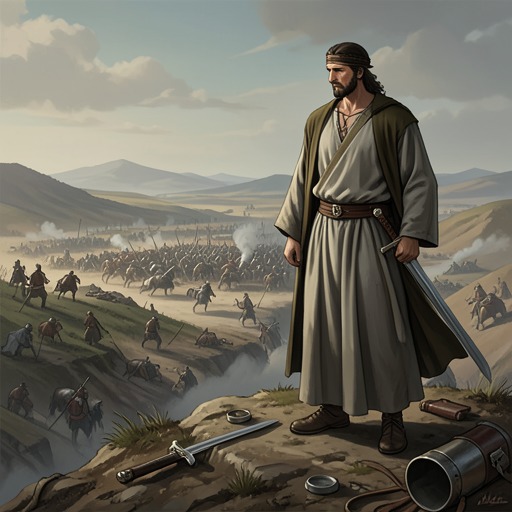
The Night CleanerThe Battle of Seahill is the citywide clash between Dorian and the heroes resisting him, where competing claims to make the world better harden into a fight with no easy retreat. Its decisive significance lies in the collision of public ideals and private loss: Dorian calls on the heroes to abandon their cause, then faces Draco as other battles unfold around them and the dead transform the conflict into something still more personal.
Causes and Opening
The battle follows a deliberate attack on Seahill’s access and infrastructure. Before the fighting begins, Dorian observes Ajax and Monica preparing to destroy the bridge, the sole route onto the island. He flashes to a nearby rooftop to watch. It is very early in the morning, and the bridge is empty when the explosion comes; piece by piece, it falls into the freezing water. The assault moves immediately into a second phase: electricity fails block by block until the city is without power. The bridge’s destruction and the blackout make the coming confrontation a coordinated operation rather than an isolated skirmish, and leave the city in darkness as the forces meet.
Dorian also tries to win the heroes over before fighting starts. He argues that Hero Society is finished and urges them to join him, promising freedom from fear and human persecution. He invokes their recent abandonment by humans and the fate of the gods, whom he says humans failed to stand by. His appeal presents surrender as liberation and recasts loyalty to the heroes’ cause as a choice to repeat the gods’ fate. Dorian acknowledges that the heroes will see the conflict as a simple contest between good and evil, but believes there is a middle ground: people he considers good can do bad things for good reasons, just as their opposites can. No one answers him. The silence makes clear that his argument has not moved them.
Battle Lines and Opposing Causes
Dorian begins the fight with a challenge—“Let’s dance, heroes.”—and the city becomes a battlefield in which he says only one side can win. Rather than moving as one mass, the combatants pair off against opponents they regard as their equals. Leon faces Ajax; Lilith faces Monica; and Phillip fights Ron Presley alongside a hospital survivor who can read minds. The matchups give the battle a series of personal contests within its larger struggle, while the attackers’ separate engagements spread the violence across the city.
Jesse and Echo take animal forms and fight as animals. Asher faces Trix, a magician who can become shadows and manipulate them. Dorian notes that he wishes he could watch their encounter, but Draco is coming toward him; in Dorian’s view, the two of them are the battle’s true warriors, and Draco is the opponent he intends to finish. Elsewhere, Rose fights a newcomer on the heroes’ team who can manipulate water, as well as the humans who stayed. Dorian’s army takes on the remaining opponents. These concurrent fights contrast the scale of the conflict with the intimate focus of Dorian’s chosen duel: every pairing has its own danger, but he treats his confrontation with Draco as the central one.
Dorian and Draco’s Duel
The hostility between Dorian and Draco precedes the battle’s open violence. In their earlier confrontation, Draco tells Dorian to end whatever he has planned so that no more people are hurt. He looks furious, but holds himself under control; Dorian describes him as someone who rarely lets go, except around Rose. Draco frames their conflict as a disagreement between two people trying to improve the world, each with a different vision. Dorian notes their similar height and build, contrasting Draco’s heavily worked-out, lumberjack appearance with his own more ninja-like ability to slip under notice. Draco then masks his expression, refusing to let Dorian see his anger. The exchange establishes not only opposition, but a shared claim to purpose that neither can reconcile with the other’s actions.
In the battle, their contest is initially fought with fists. Both take hits, and blood coats their teeth. Draco sometimes allows Dorian to land a painful blow, as though he wants to feel the pain; although his sword is ready, he does not use it at first. Dorian, for his part, cannot die, though he grows weary before his energy returns quickly. Draco is still drawing on sunlight, a reserve that can last for days or until he gives it back to the earth. Their different sources of endurance make the duel difficult to resolve through exhaustion: Dorian expects it could continue for days, while each fighter remains dangerous for different reasons.
Dorian finds this Draco more focused and lethal than in their previous fight, when Dorian had almost died. Draco moves faster and anticipates attacks, whether by studying Dorian or seeing the future in his mind. The contest changes when Draco finally brings his sword into play. Steel clashes loudly against steel; the earlier willingness to take blows gives way to precision, offense, and rage. Their fight moves through the street as the wider area becomes a war zone, so the duel never stands apart from the other combatants’ fate.
Loss and Immediate Aftermath
A turning point comes when Draco sees Leon and Lilith lying dead together in the grass, in each other’s arms. His heart stops, and undiluted anger surges through him. Dorian sees the deaths too and smirks; the gesture becomes the focus of Draco’s fury. The scene turns the battle’s already personal rivalry into a struggle charged by the loss of their allies, while making Dorian’s response a provocation at the precise moment Draco is most affected.
Rose is also stabbed and dies. The fighting around Dorian resumes when Echo, still in wolf form, attacks the man who stabbed her friend. She crushes his neck in one bite, shaking him between her teeth like a rag doll. Phillip is crying and runs his fingers through his hair; he believes he gambled wrong with everyone’s lives and must live with his sister’s death, thinking he could have stopped what happened. Draco remains beside Rose, holding her dead body. He removes the knife from her gut, lays her hands gently across the wound, and lowers her to the ground. His promise to find a way to her is followed by the collapse of her remaining words and the moment he feels all emotion leave her. The battle’s costs are therefore not only measured in opposing forces or territory: Leon and Lilith die together, Rose’s death devastates Phillip and Draco, and Echo answers her friend’s killing with immediate violence.
Significance
The battle repeatedly tests Dorian’s claim that the conflict admits a middle ground. He offers freedom from persecution, but his forces destroy the bridge and plunge the city into darkness before demanding that the heroes give up their cause. The heroes’ silence and refusal leave no negotiated resolution in the scenes presented; combat takes the place of persuasion. At the same time, the opposing sides are not reduced to abstract labels. Dorian recognizes that good people can do harm for good reasons, yet his own mission to finish Draco and his smirk at the sight of the dead show how quickly the language of competing visions gives way to personal violence. The battlefield makes that contradiction visible: the fight is organized around claims about the world, but its decisive turns are carried by individual bodies, remembered attachments, and grief.