The Three Fates and the Rules of Life Threads
The Night CleanerThe Three Fates and the Rules of Life Threads are the story’s account of how life is allotted and how supernatural powers exact a price. The Fates spin, measure, and cut mortal life threads; Esme’s healing shortens her own, while Dorian sustains immortality by infusing his body with gifted blood. Together, these rules make healing and continued life consequential choices rather than cost-free powers.
The Fates and the Life Thread
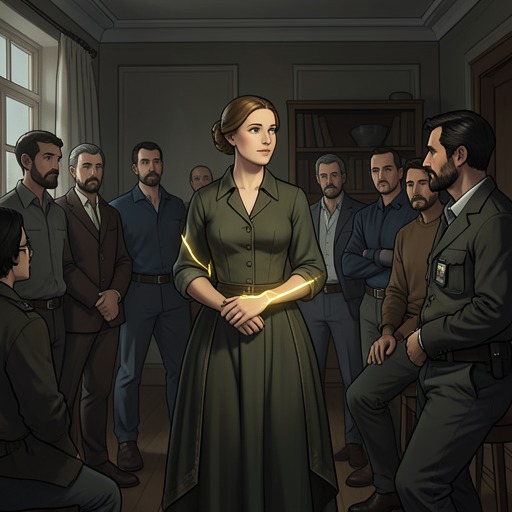
Esme’s life thread appears as a golden shimmer running down the middle of her left arm. It first appeared on her sixteenth birthday. After she healed a squirrel her dog had caught, she and Eli noticed that the line grew shorter whenever she used her ability. The change was usually small, but it made each act of healing a visible sign of possible loss.
Searching for an explanation, the twins read about the Fates, described as three beings connected to destiny and life. One spins a person’s thread, another determines how long that person lives, and the third cuts the thread, deciding how they die. The account gives the golden line a governing logic: its length corresponds to a life, and its disappearance is feared as a sign that something has gone wrong.
Healing and Consent
The rule’s cost becomes an ethical dilemma when Eli’s leukemia worsens. Esme can heal him, but she understands that doing so will shorten her own life. She pleads with her twin brother to accept treatment; Eli refuses, preferring a shorter life with Esme as his brother to living without her. Their repeated disagreement makes the limits of Esme’s power inseparable from Eli’s right to decide whether he will be healed.
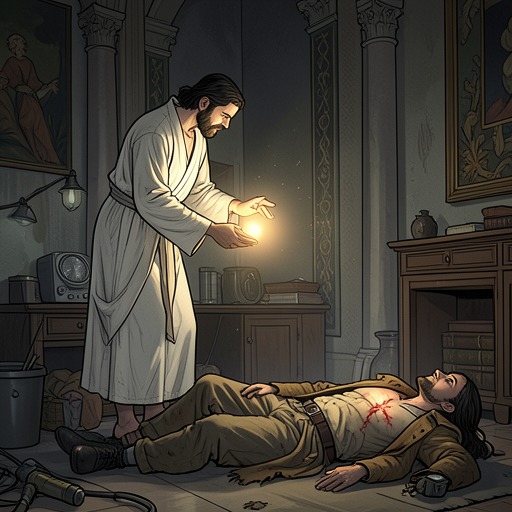
When Dorian is near death, Esme acts differently. Remembering the possibility of losing another person she loves when she can intervene, she heals him despite the life-thread cost. As her hands glow over his chest, she sees the gold in her vein fading rapidly and realizes that saving him means giving up what remains of her life. The same rule that made her hesitate to heal Eli now makes her sacrifice legible: healing can preserve another life by consuming the healer’s.
Immortality and Blood
The story also sets Esme’s diminishing life thread against Dorian’s method of remaining immortal. Dorian explains that sustaining immortality requires infusing his own blood with blood from gifted people. The process takes several hours and leaves him bedridden until it is complete; he watches an infusion machine mix his gold-tinged blood with donated blood from a god-powered man.
The supply has become routine: people donate blood without considering their powers, and the hospital holds enough that Dorian no longer needs to obtain donations from people on the streets. His apparent permanence therefore depends on a recurring intervention and on blood supplied by others. The contrast with Esme’s healing is sharp: her power diminishes her own finite life, while Dorian maintains immortality through gifted blood, a condition that requires continued replenishment.
Narrative Significance
These rules give supernatural power a measurable consequence. The golden thread turns an otherwise invisible cost into something Esme can see, while the Fates’ roles connect individual mortality to a larger order of destiny. The narrative does not treat healing as an uncomplicated good: Eli’s refusal tests the healer’s authority, and Esme’s later choice shows what it means to spend her remaining life for someone else.
Immortality is likewise presented not as freedom from all limits but as a state that must be maintained. Set beside the shrinking thread, Dorian’s transfusions expose two different arrangements between power and survival. The rules make sacrifice, consent, and dependence part of the magic system itself.