Croatan Forest
The NotebookThe Croatan Forest is a vast, ancient woodland in eastern North Carolina that serves as a landscape of exploration, memory, and emotional refuge for Noah Calhoun. It is the place where he first developed his passion for solitary adventure in nature, where he later brought Allie Nelson during the summer of their love, and where the natural world—untouched by war or class—offers a counterpoint to the social forces that would try to keep them apart. The forest is not merely a setting but an active presence in the story, a living repository of the purest moments of Noah and Allie's relationship, and a symbol of the instinctual, timeless bond that survives decades of separation and even the ravages of disease.
Identity and Geography
The Croatan Forest is a large, wild woodland in eastern North Carolina, near the coastal town of New Bern where Noah Calhoun grew up and later returned after World War II. It is a place of dense trees, hidden waterways, and abundant wildlife, a landscape that feels both primeval and intimate. For Noah, the forest is not a distant landmark but a familiar, almost sacred territory that he has known since childhood. It is part of the natural world that he believes is more real and more emotionally resonant than the man-made world of cars and planes, a place where "God's music" can be heard and where a person can reconnect with what it means to be human.
Noah's Solitary Exploration and Childhood
Long before Allie entered his life, the Croatan Forest was Noah's private domain. As a boy, after his mother died and he struggled with a severe stutter that made him withdraw from speech, he found solace in the woods. He spent most of his weekends and vacations alone, exploring the forest in his first canoe, following Brices Creek for twenty miles until he could go no further, then hiking the remaining miles to the coast. Camping and exploring became his passion, and he spent hours in the forest, whistling quietly and playing his guitar for beavers and geese and wild blue herons. This solitary immersion in nature was not merely recreation; it was a form of soul-making, a practice that poets knew was "good for the soul," and it shaped the quiet, observant, and deeply feeling man he would become. The forest was where he learned to be comfortable with silence and where he developed the instinctual connection to the natural world that would later define his character.
The Summer of Love: Exploration with Allie
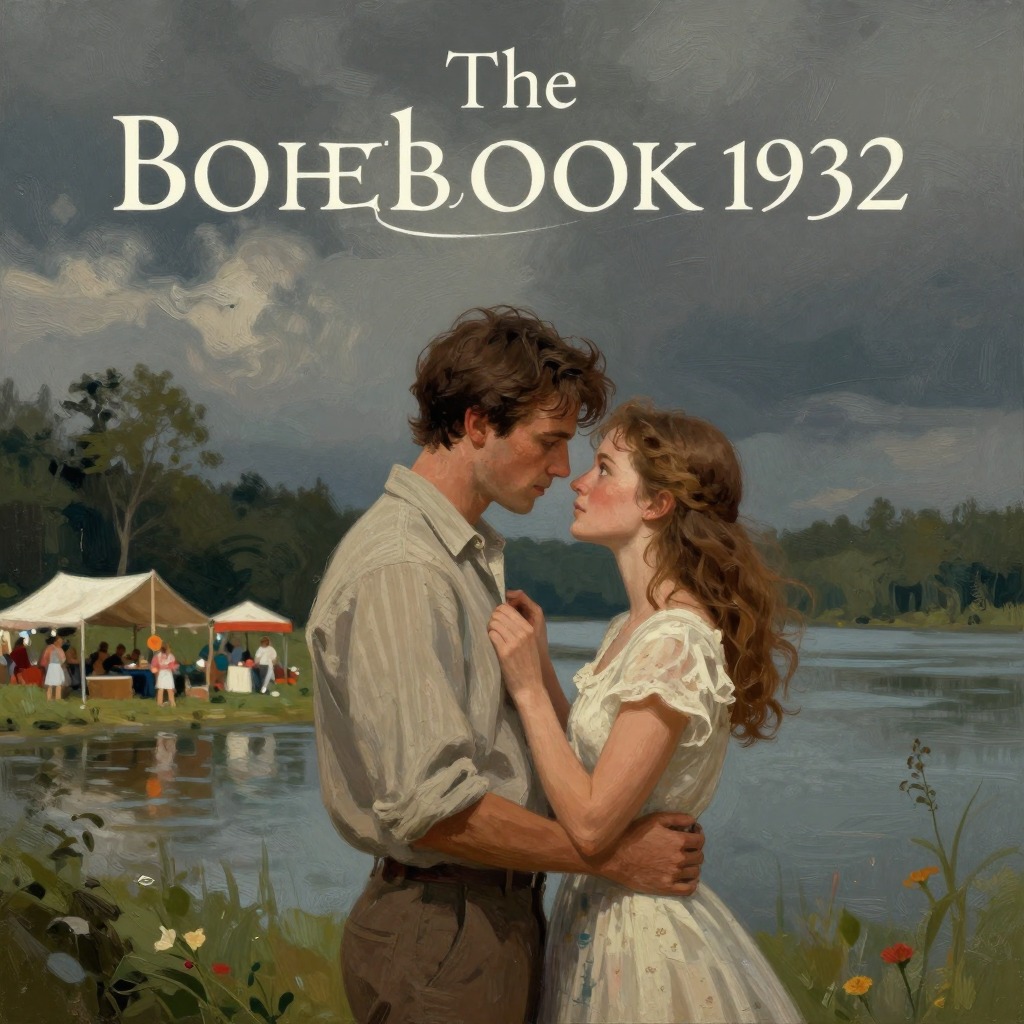
During the summer of 1932, the Croatan Forest became the setting for Noah and Allie's burgeoning love. Because Allie was a newcomer to small-town life, Noah took her exploring through the backwoods of the forest, introducing her to a world of hidden creeks, towering trees, and wild, unspoiled beauty. These expeditions were a central part of their courtship, a way for them to spend long, uninterrupted hours together, away from the disapproving eyes of her parents and the social constraints of New Bern. In the forest, they were free to be themselves, to talk about their dreams—his of seeing the world, hers of being an artist—and to fall in love without the interference of class distinctions. The forest, with its ancient, patient silence, witnessed the most authentic moments of their relationship, and it became a place forever associated with the perfect, uncomplicated love of that summer.
Memory and Return
Years later, when Allie returns to New Bern as an engaged woman, the Croatan Forest is one of the landmarks that triggers a flood of memories as she drives along the gravel road to Noah's house. She recognizes the old abandoned church she had explored that summer, looking for souvenirs of the War between the States, and the memories of that day become stronger, "as if they'd happened yesterday." The forest is not just a place she once visited; it is a landscape of memory, a physical reminder of the person she was and the love she felt. For Noah, the forest remains a constant presence in his life, a place he can still see from the window of his room at the Creekside Extended Care Facility, where he lives in his old age. Even as his body fails him and his wife's memory fades, the creek and the forest outside his window continue to inspire him, a reminder of the natural, enduring world that has always been his true home.
Thematic Significance: Nature, Instinct, and Timeless Love
The Croatan Forest embodies several of the novel's central themes. It represents the natural, instinctual world that Noah values above the artificial, status-driven society that Allie's parents and her fiancé, Lon Hammond Jr., inhabit. The forest is a place of timeless cycles—the mullets jumping as they have for thousands of years, the swans migrating by instinct—and it offers a model of constancy and renewal that contrasts with the fragility of human memory and the pain of loss. For Noah, the forest is also a place of healing and spiritual replenishment, a reminder of the "God's music" his father spoke of, and a source of the poetry that has always been his truest language. In the end, the Croatan Forest is not just a location on a map; it is the landscape of Noah's soul, the place where he first learned to love, where he loved Allie, and where, even in the twilight of his life, he can still find peace and meaning.