Leaves of Grass
The NotebookLeaves of Grass, the collection of poetry by Walt Whitman, is a physical and symbolic object that threads through Noah Calhoun's life in The Notebook, representing his deepest emotional connections and his belief in the enduring power of love and memory. The book is not merely a prop but a vessel for Noah's past, his relationship with his father, his wartime experience, and his romantic bond with Allie Nelson. Its worn, stained pages bear witness to a lifetime of devotion, making it a tangible link between the man he was and the man he became.
Identity and Origin
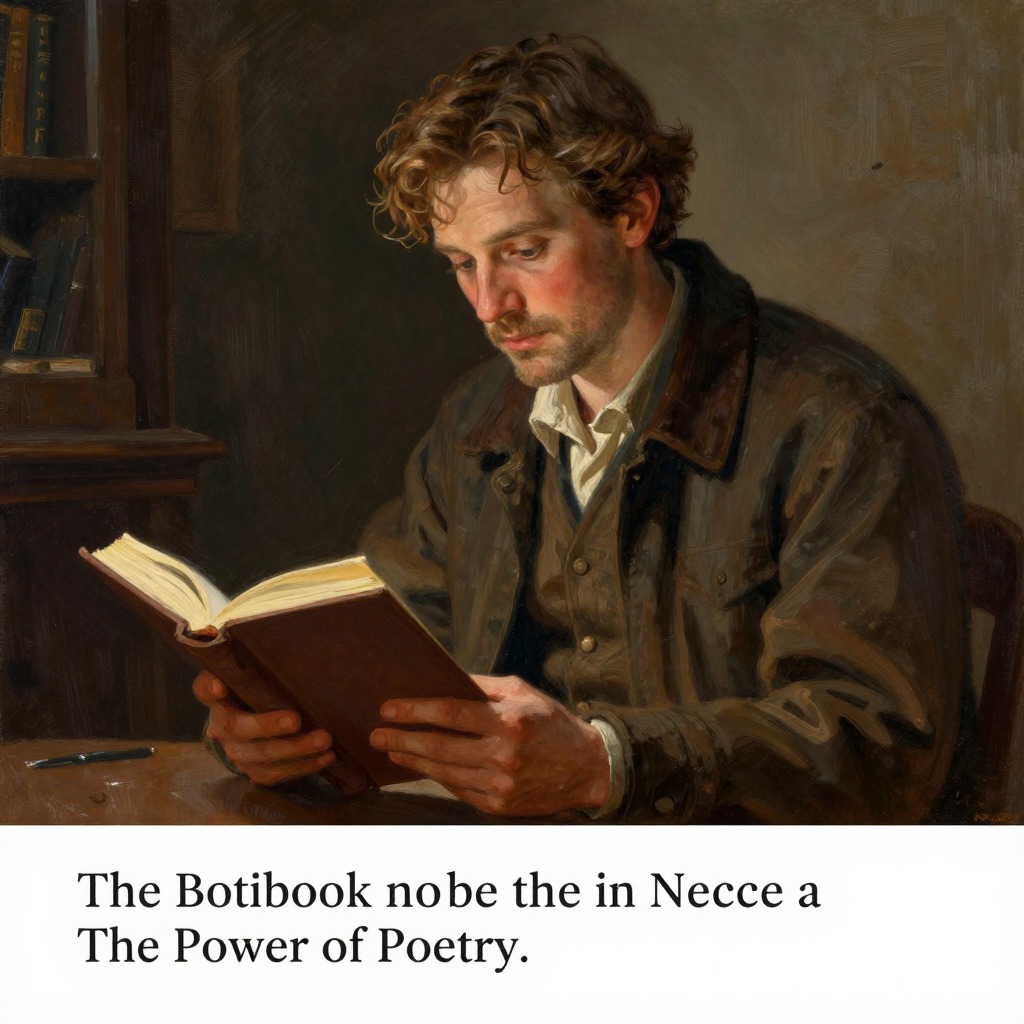
Noah's copy of Leaves of Grass is described as old, with a torn cover and pages stained with mud and water, a testament to its long and arduous journey. It was a gift from his father, who used the book to teach a young Noah how to read aloud, thereby helping him overcome a severe childhood stutter. Noah's father, a man of practical wisdom, believed that learning to read poetry aloud would enable his son to say anything he wanted. This method proved successful, and Noah not only lost his stutter but also developed a lifelong love for poetry, continuing to read the works of Whitman and Tennyson aloud in the evenings as his father rocked beside him. The book thus became a foundational tool for Noah's self-expression and a symbol of his father's love and guidance.
A Companion Through War and Peace
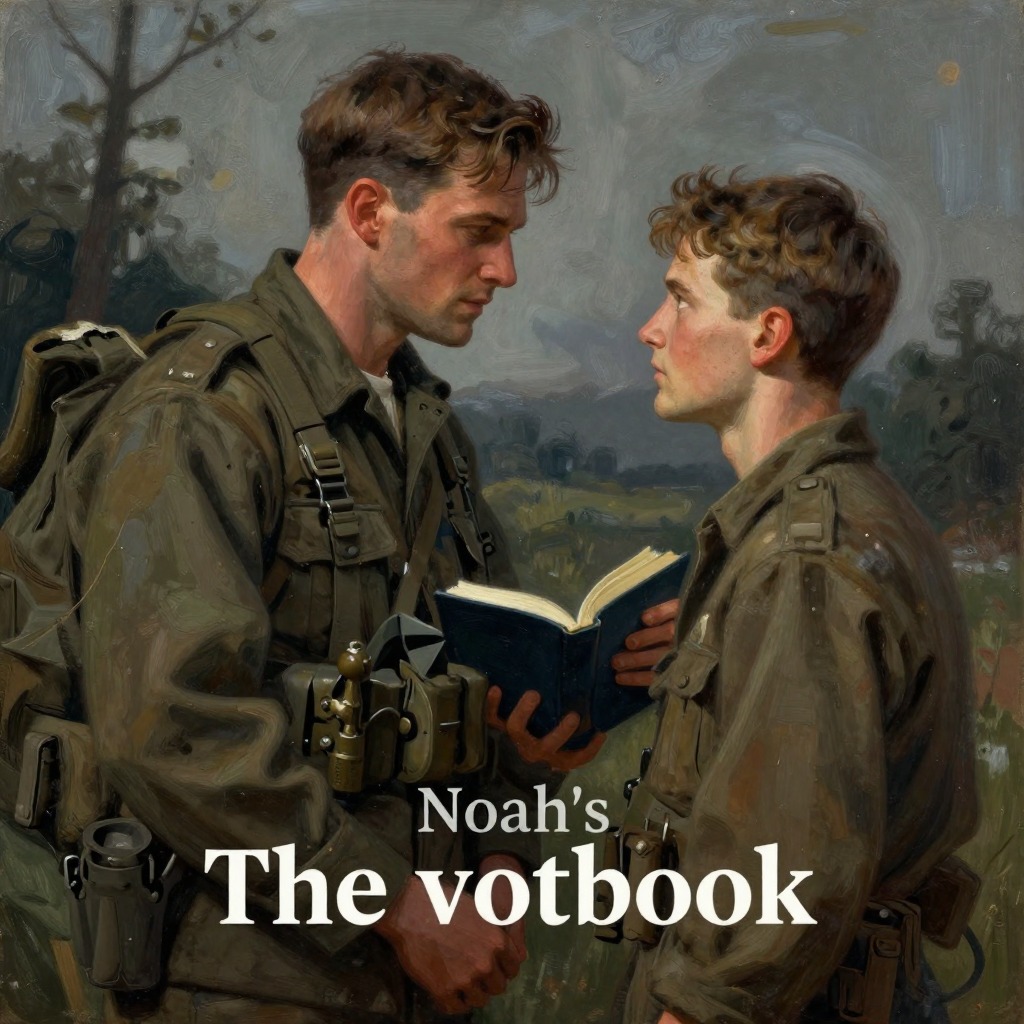
Noah carried Leaves of Grass with him throughout his service in World War II, where he fought with Patton's Third Army through North Africa and Europe. The book was a constant companion during the horrors of war, a reminder of home and the simple, natural sounds his father had called "God's music." In the evenings after the war, back on the porch of his restored plantation home in New Bern, Noah would let the book open randomly and read passages aloud, finding solace in Whitman's words. One such passage he reads is: "This is thy hour, O Soul, thy free flight into the wordless, / Away from books, away from art, the day erased, the lesson done, / Thee fully forth emerging, silent, gazing, pondering the themes thou lovest best, / Night, sleep, death and the stars." This act of reading connects him to his past, his father, and the peace he has found after the chaos of war.
A Bridge to Allie
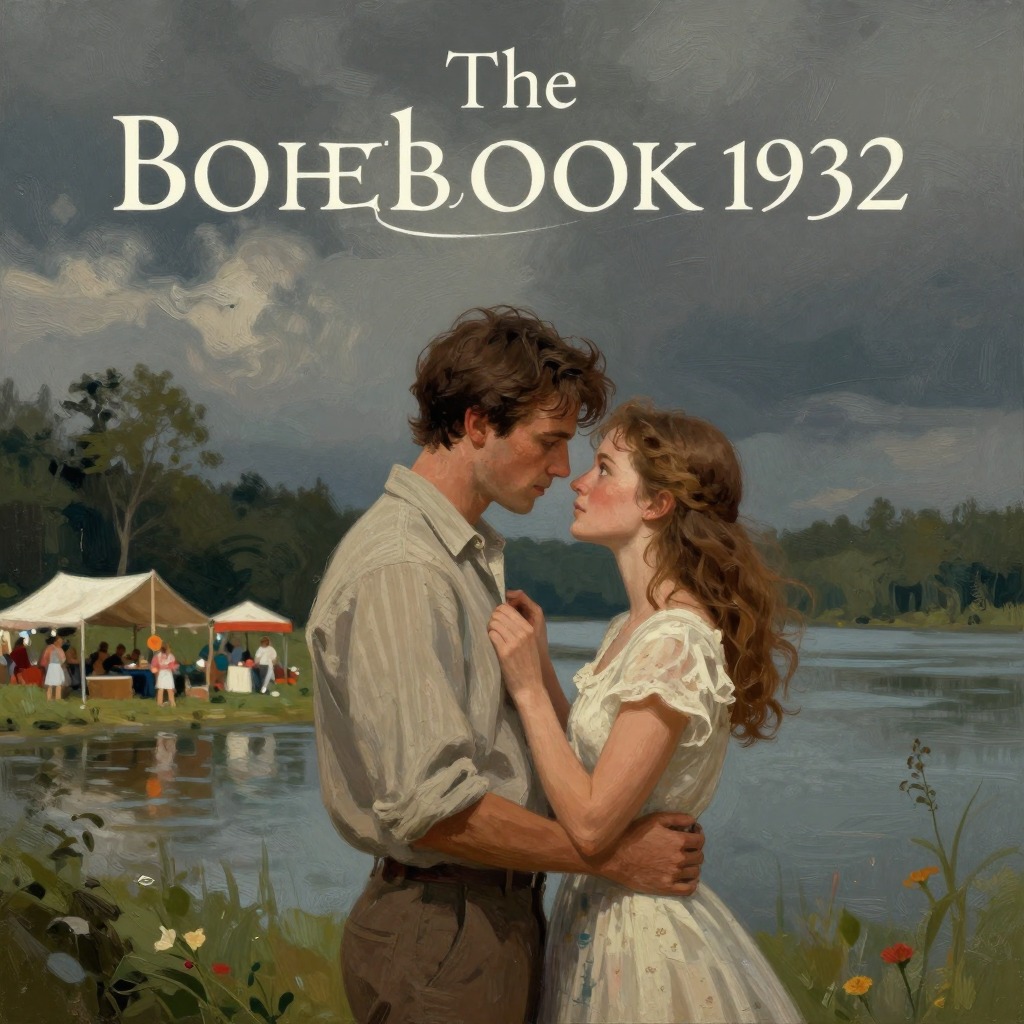
Leaves of Grass is also inextricably linked to Noah's love for Allie. During the summer of 1932, when they first fell in love, Noah read poetry to her from this very book. Allie remembers his voice as soft and fluent, almost musical, and the experience of listening to him read was deeply moving. She recalls closing her eyes and letting the words touch her soul. The book is a symbol of their shared intimacy and the poetic, romantic nature of their connection. Even after fourteen years of separation, when Allie returns to New Bern, she asks Noah if he still reads poetry, and he confirms that he never stopped. She tells him, "You're the only poet I've ever met," a testament to how the book and its contents have shaped his identity in her eyes. The book is a constant reminder of the perfect love they once shared and the man he became because of it.
A Symbol of Enduring Love
In the novel's present-day frame, the elderly Noah, now a resident of a care facility, continues to read Leaves of Grass and other poetry. The book is part of the collection of objects that define his life and his love for Allie, who is suffering from Alzheimer's disease. The poetry he reads to her, including the works of Whitman, is part of the ritual he performs each day, hoping to spark a moment of recognition. The book's presence in his room, alongside Allie's paintings and their letters, creates a sanctuary of memory. It is a testament to a life lived with passion and a love that, like the poetry itself, transcends time and loss. The book is not just a collection of poems; it is the story of Noah's life, his father's legacy, and the enduring power of a love that has been "seared in his memory."