Noah's Return to New Bern
The NotebookNoah Calhoun's return to New Bern in late 1945, after fourteen years away and the end of World War II, marks the decisive turning point that anchors the novel's present-day frame. It is the moment he buys and begins restoring the 1772 plantation house he had dreamed of as a teenager, re-establishes himself in the community he left behind, and sets the stage for Allie Nelson's return—the reunion that drives the entire narrative. The return is also the event that forces Noah to confront the ghost of his lost love, the memory of Allie, which has haunted him for a decade and a half.
Background and Departure
Noah had left New Bern in 1932, right after the summer he fell in love with Allie. The Great Depression made earning a living in the small town almost impossible, and he also needed to get her off his mind after her letters went unanswered. He worked first at a shipyard in Norfolk, then moved to New Jersey, where he found a job at a scrap yard owned by Morris Goldman. Over the next eight years he mastered the business, running the entire operation and managing a staff of thirty, turning the yard into the largest scrap-metal dealer on the east coast. In December 1941, when the United States entered World War II, Noah enlisted in the army. He spent the next three years with Patton's Third Army, tramping through deserts in North Africa and forests in Europe, his infantry unit never far from action. He watched his friends die around him and saw some of them buried thousands of miles from home.
The Circumstances of Return
Just before his discharge, Noah received a letter from a lawyer in New Jersey representing Morris Goldman, who had died a year earlier. The business had been sold, and Noah was given a cheque for almost seventy thousand dollars—a small fortune. The following week he returned to New Bern and bought the house he had pointed out to Allie fourteen years earlier, the one he had promised he would one day own and restore. He brought his father around to see it, pointing out the changes he intended to make, but his father seemed weak, coughing and wheezing. Noah was concerned, but his father told him not to worry, assuring him he had the flu. Less than one month later his father died of pneumonia and was buried next to his wife in the local cemetery. Noah tried to stop by regularly to leave flowers; occasionally he left a note. Every night without fail he took a moment to say a prayer for the man who had taught him everything that mattered.
Life After Return
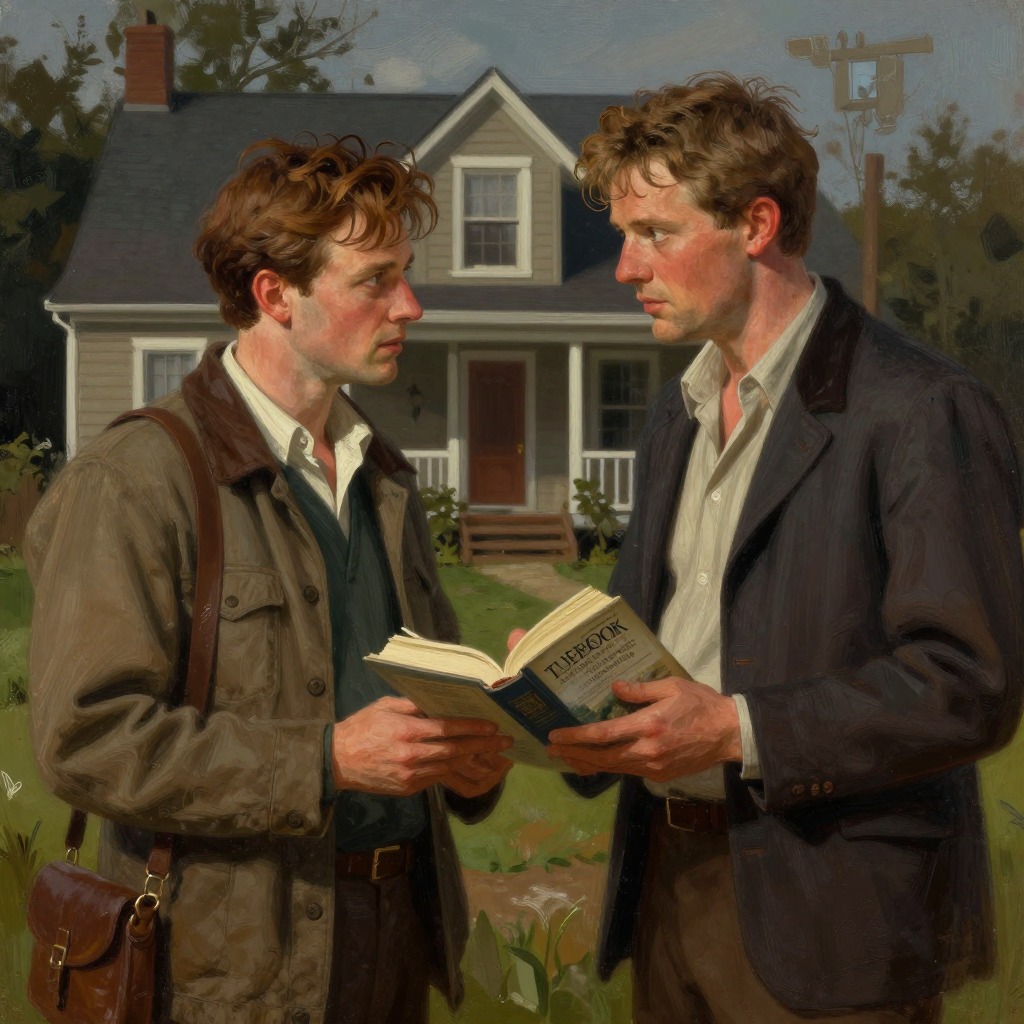
Back in New Bern, Noah threw himself into restoring the house, spending the next eleven months and a small fortune on the project. The house, built in 1772, was one of the oldest and largest in New Bern, and the reporter from the Raleigh paper called it one of the finest restorations he had ever seen. Noah lived alone on the twelve-acre property adjacent to Brices Creek, with only his three-legged hound dog, Clem, for company. He was thirty-one now, not too old, but old enough to be lonely. He hadn't dated since he'd been back, hadn't met anyone who remotely interested him. There was something that kept a distance between him and any woman who started to get close, something he wasn't sure he could change even if he tried. His best friend was Gus, a seventy-year-old black man who lived down the road, who showed up a couple of nights a week with his harmonica. Gus recognized immediately that Noah was haunted by a ghost—the memory of a woman—and that the relentless work on the house was an attempt to forget.
The Ghost of Allie
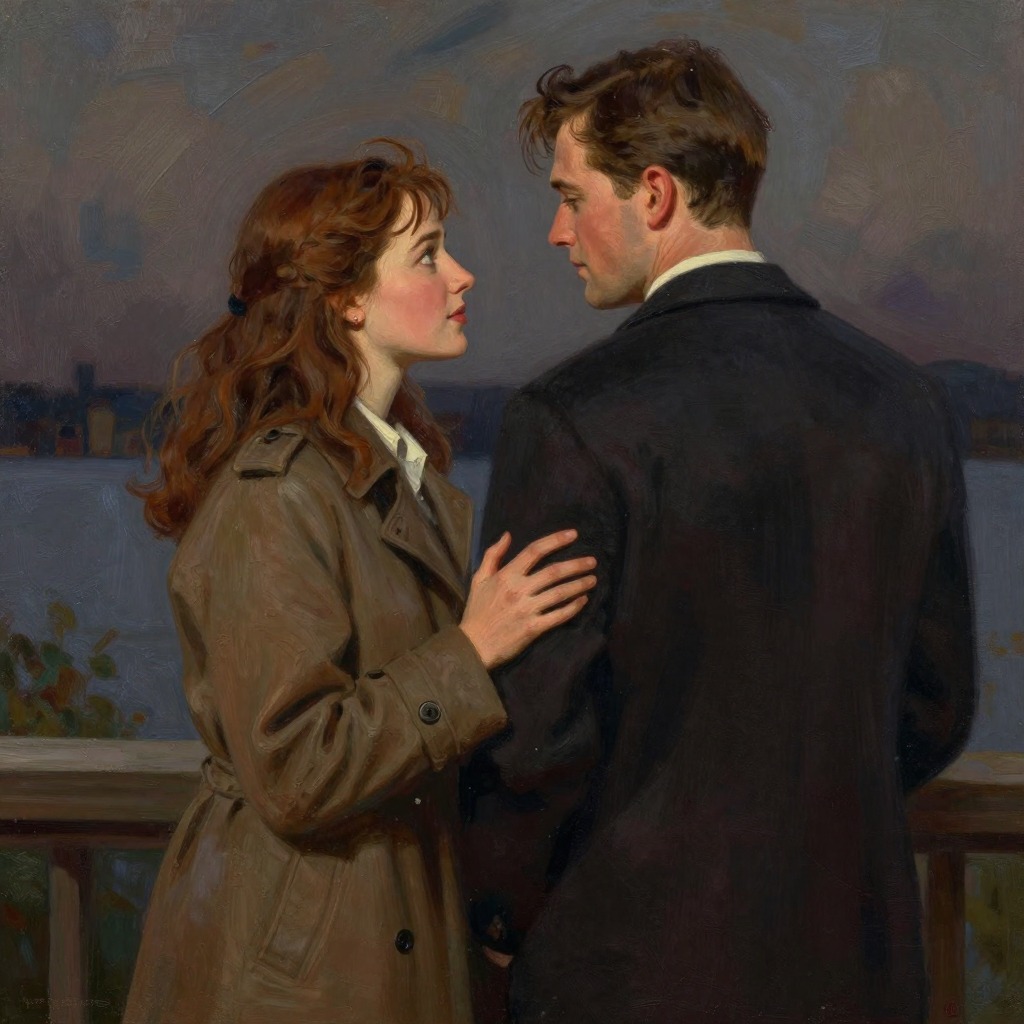
New Bern was haunted now, haunted by the ghost of Allie's memory. Noah saw her in Fort Totten Park, their place, every time he walked by. When he sat on the porch at night with his guitar, he saw her beside him, listening as he played the music of his childhood. Everywhere he looked, he saw things that brought her back to life. He remembered the summer of 1932 with perfect clarity: meeting her at the Neuse River Festival, the days spent fishing and exploring the Croatan Forest, the night she taught him to waltz in the tobacco barn, the first kiss on her porch, the afternoon he brought her to the ruined house and told her his dream of owning it, the humid August night they lost their virginity together. He had written to her for two years without receiving a single reply, and eventually he wrote one final letter and forced himself to accept that the summer was all they would ever share. But he never stopped thinking about her, and the return to New Bern made the memory inescapable.
Significance
Noah's return to New Bern is the event that makes the entire story possible. It brings him back to the place where he and Allie fell in love, puts him in possession of the house that symbolizes his dream, and leaves him alone and available when Allie, driven by a newspaper article about the restoration, decides to come find him three weeks before her wedding to Lon Hammond Jr. The return also establishes the novel's central tension: Noah has built a life that is physically complete—the house is restored, the property is his—but emotionally empty, waiting for the love that left him fourteen years ago. His return is not a triumphant homecoming but a quiet, lonely vigil, a preparation for the miracle he hopes will come.