North Africa
The NotebookNorth Africa appears in The Notebook as the first theater of war for Noah Calhoun, the novel's protagonist. It is where he spent part of his three years with Patton's Third Army, tramping through deserts with thirty pounds on his back, his infantry unit never far from action. The region is evoked not as a detailed setting but as a stark contrast to the lush, familiar landscapes of North Carolina—the place where Noah's memories of Allie and his father's wisdom about nature's sounds become most vivid. North Africa thus functions as a geographical and emotional counterpoint to New Bern, representing the dislocation and danger of war that ultimately leads Noah back to his roots.
Wartime Service and Its Contrast with Home
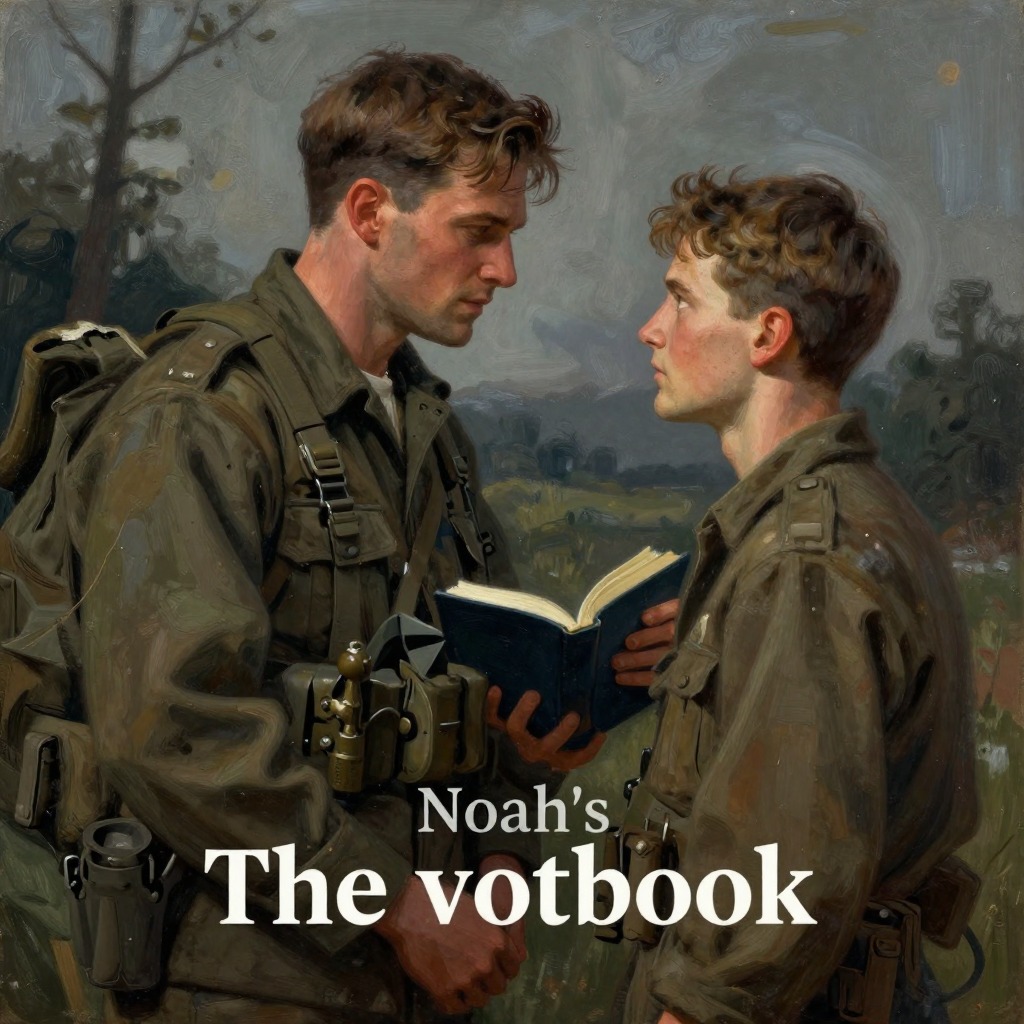
Noah's service in North Africa is part of his broader military experience during World War II. After enlisting in January 1942, following the attack on Pearl Harbor, he spent the next three years with Patton's Third Army, which included campaigns in North Africa and Europe. The evidence specifies that he tramped through deserts in North Africa and forests in Europe, carrying thirty pounds on his back, with his infantry unit never far from action. This physical hardship—marching through arid, unfamiliar terrain—stands in sharp contrast to the natural sounds he cherished at home: the crickets, rustling leaves, and the river that he associated with peace and God's music, as his father had taught him. In North Africa, there were no such sounds to soothe him; instead, the war brought the constant threat of death and the loss of friends, as he watched comrades die and be buried thousands of miles from home.
The desert landscape of North Africa also contrasts with the verdant, water-rich environment of New Bern, where Noah's house sits on twelve acres adjacent to Brices Creek. The novel repeatedly emphasizes Noah's connection to nature—his kayaking, fishing, and watching mullets jump—as a source of renewal and reflection. North Africa, by implication, is a place devoid of such comforts, a barren expanse that tests his endurance and reminds him of what he left behind. This contrast underscores the theme of home as a sanctuary, and Noah's return to New Bern after the war is framed as a homecoming to a place that has remained unchanged, unlike the war-torn landscapes he traversed.
Emotional and Psychological Impact
North Africa, as part of Noah's war experience, contributes to his psychological state upon returning home. The novel notes that Noah had been away for fourteen years, and his time in the war, including North Africa, left him with a scar on his face that Allie notices years later, wondering if it happened during the war. This scar is a physical reminder of the violence he witnessed, and it aligns with the trauma narrative that runs through the book. Noah's memories of the war are not detailed in the text, but the evidence suggests that he was deeply affected: he remembers watching friends die and being buried far from home, and he reflects on how the war proved man's aggression and desire to dominate, as seen in Europe and Japan. North Africa, as the first theater, likely initiated these experiences, shaping his view of the world and his appreciation for the simple, natural life he returns to.
Moreover, Noah's time in North Africa and Europe is part of the reason he is able to buy and restore the house in New Bern. After the war, he receives a cheque for almost seventy thousand dollars from Morris Goldman's estate, a sum that allows him to purchase the plantation-style home he had dreamed of owning since 1932. This financial windfall, earned through his pre-war work and Goldman's generosity, is indirectly connected to his military service, as Goldman had given him a certificate entitling him to a percentage of the scrap yard if it was ever sold. Thus, North Africa is not only a site of suffering but also a stepping stone to his eventual reunion with Allie, as the house becomes the setting for their rekindled love.
Narrative Significance
In the novel's structure, North Africa is mentioned briefly but serves a crucial narrative function. It is part of Noah's backstory, establishing his character as a war veteran who has endured hardship and loss. This background makes his reunion with Allie more poignant, as he has survived the war and returned to the place where his memories of her are strongest. The contrast between the desert war and the idyllic North Carolina setting heightens the romance of the story, emphasizing that Noah's love for Allie is a constant that transcends time and distance. Furthermore, North Africa's inclusion in the narrative aligns with the novel's broader themes of memory and loss: just as Noah remembers the sounds of nature during the war to keep from going crazy, he also remembers Allie, and these memories sustain him through the darkest times. The desert, then, is not just a place but a symbol of the trials that Noah must overcome to find his way back to love and home.