World War II
The NotebookWorld War II is the great historical rupture that separates Noah Calhoun from Allie Nelson and, paradoxically, makes their reunion possible. It is the event that transforms Noah from a lovesick young man into a hardened soldier, gives him the financial means to reclaim his past, and casts a long shadow over the emotional landscape of the novel. The war is not merely a backdrop; it is the engine of change, the source of trauma, and the silent partner in every decision the characters make.
Causes and Background
Noah's path to war begins in December 1941, when he is twenty-six years old. He walks into the office of his boss, Morris Goldman, and informs him of his intent to enlist. Goldman, a Jewish man who had predicted the war and built a scrap-metal empire on that conviction, gives Noah a letter of thanks and a certificate entitling him to a small percentage of the yard if it is ever sold. Noah then returns to New Bern to say goodbye to his father before heading to training camp five weeks later. The war is already a global catastrophe, but for Noah it becomes a personal crucible.
What Happens: Noah's Service and Trauma
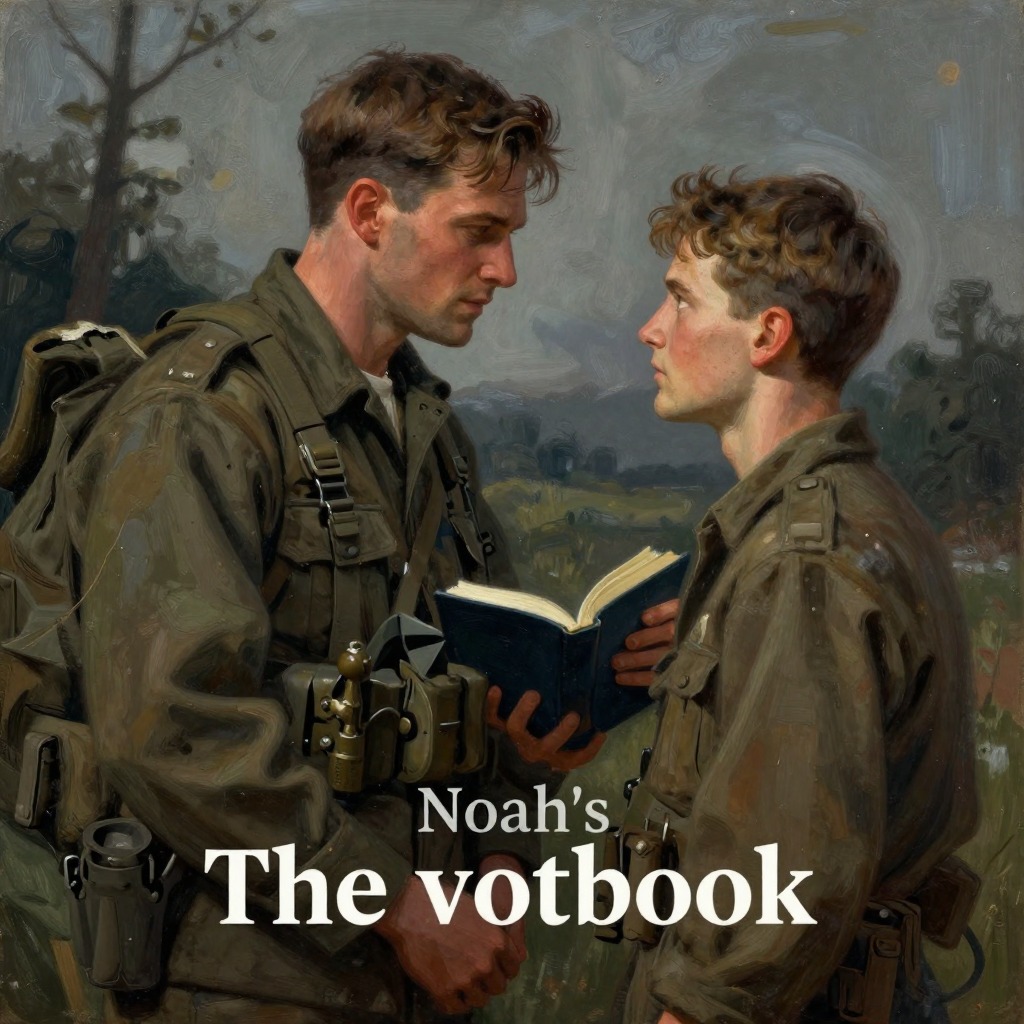
Noah spends the next three years with Patton's Third Army, tramping through deserts in North Africa and forests in Europe with thirty pounds on his back, his infantry unit never far from action. He watches his friends die around him and sees some of them buried thousands of miles from home. The war ends in Europe, then a few months later in Japan. Just before his discharge, Noah receives a letter from a lawyer in New Jersey representing Morris Goldman, who has died a year earlier. The business has been sold, and Noah is given a cheque for almost seventy thousand dollars. This money, earned through his wartime service and Goldman's foresight, allows him to return to New Bern and buy the plantation-style house he had dreamed of restoring since the summer of 1932.
Consequences and Aftermath
The war's consequences ripple through every aspect of Noah's life. His father dies of pneumonia less than a month after Noah returns, and Noah is left alone with the house and the ghost of Allie's memory. The war also shapes Noah's worldview: he reflects on man's instinct for aggression, noting that the war in Europe and Japan proved that man has always been aggressive, always striving to dominate. Yet the war also teaches him the value of simple, natural sounds—crickets and rustling leaves—which his father had called "God's music" that would take him home. For Allie, the war provides the context in which she meets Lon Hammond Jr. in 1942, when she is volunteering at a hospital downtown, tending to broken young soldiers. Lon, with his easy charm and confidence about the future, becomes the man she needs during those terrible periods. The war thus creates the conditions for both Noah's return and Allie's engagement, setting the stage for the novel's central conflict.
Thematic Significance
World War II functions as a moral and emotional dividing line in the novel. It separates the innocent summer of 1932 from the hardened adulthood of 1946. It gives Noah the financial independence to restore the house but also leaves him with the trauma of lost friends and a father who dies soon after his return. It gives Allie a fiancé who is stable and successful but who cannot match the passion she once felt. The war is the force that makes their reunion possible—Noah has the money to buy the house, Allie has the freedom to travel—but it is also the force that has changed them both, making their second chance both more precious and more precarious. In the end, the war is not just a historical event; it is the crucible in which the characters' fates are forged.