the shack
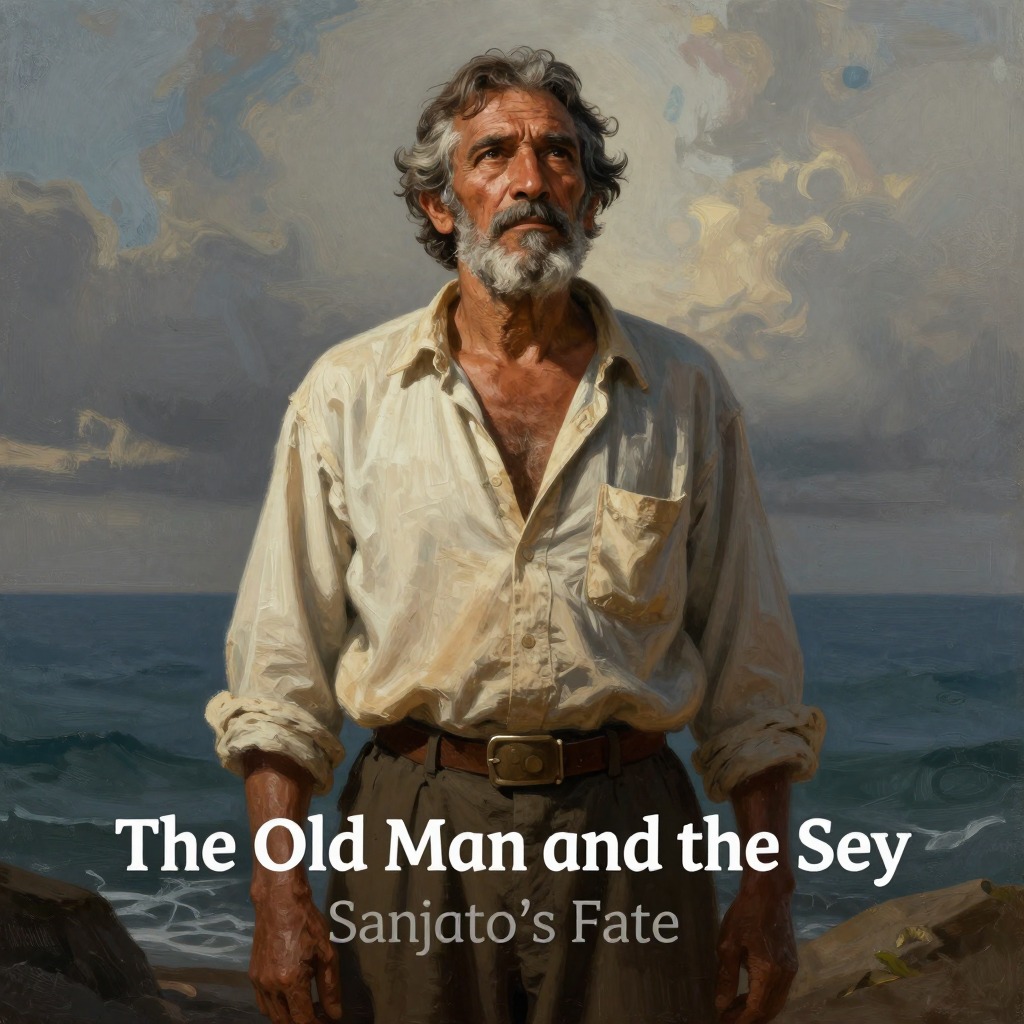
The Old Man and the SeaThe shack is Santiago's one-room dwelling, constructed from the tough budshields of the royal palm, known as guano, and located up the road from the harbor in his small Cuban village. It is a space of extreme poverty and profound personal history: inside there is a bed, a table, one chair, and a place on the dirt floor to cook with charcoal. On the brown walls of flattened, overlapping guano leaves hang a color picture of the Sacred Heart of Jesus and another of the Virgin of Cobre, both relics of his deceased wife. A tinted photograph of his wife once hung on the wall, but Santiago took it down because it made him too lonely to see it; it now rests on a shelf in the corner under his clean shirt. The mast of his skiff, nearly as long as the room itself, leans against the wall when brought home, and the coiled lines, gaff, and harpoon are stored beside it. There is no cast net—it was sold long ago—and no pot of yellow rice and fish, though Santiago and Manolin maintain the fiction each day that both exist. The shack lacks running water; the village water supply is two streets down the road, and Manolin silently resolves to bring water, soap, a towel, another shirt, a jacket for winter, shoes, and another blanket for the old man.
Life and Daily Ritual
The shack is the setting for Santiago's nightly routines and his preparation for each day's fishing. He sleeps on old newspapers that cover the springs of the bed, rolling his trousers into a pillow with the newspaper inside, and wrapping himself in a blanket. In the dark, he urinates outside the shack before going to wake Manolin. The shack also holds a big drum of shark liver oil, available to any fisherman who wants it, which Santiago drinks daily to ward off colds and grippes and to strengthen his eyes. After his epic battle with the marlin, Santiago returns to the shack in a state of utter exhaustion, having to sit down five times on the road before reaching it. Inside, he finds a water bottle in the dark, takes a drink, and lies face down on the bed, pulling the blanket over his shoulders, back, and legs, sleeping with his arms out straight and palms up.
Dreams and Memory
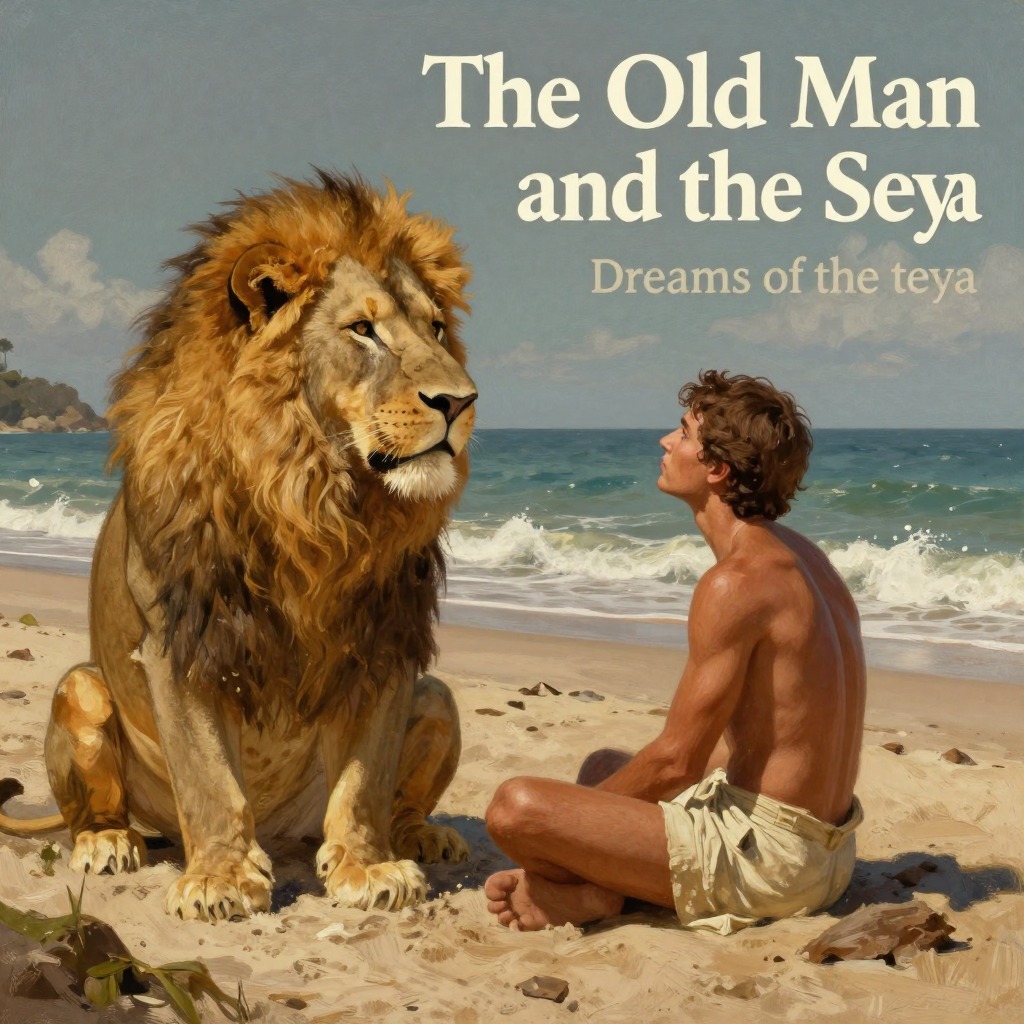
The shack is the place where Santiago dreams. He sleeps deeply and dreams of Africa when he was a boy—the long golden and white beaches, the high capes, the great brown mountains, and the lions playing like young cats in the dusk. He no longer dreams of storms, women, great occurrences, great fish, fights, contests of strength, or his wife; he only dreams of places and of the lions on the beach, which he loves as he loves the boy. After the marlin ordeal, when he finally sleeps in the shack, he dreams again of the lions. The shack also holds a newspaper, given to him by Perico at the bodega, which he reads to follow baseball, particularly the Yankees and the great DiMaggio.
Return and Aftermath
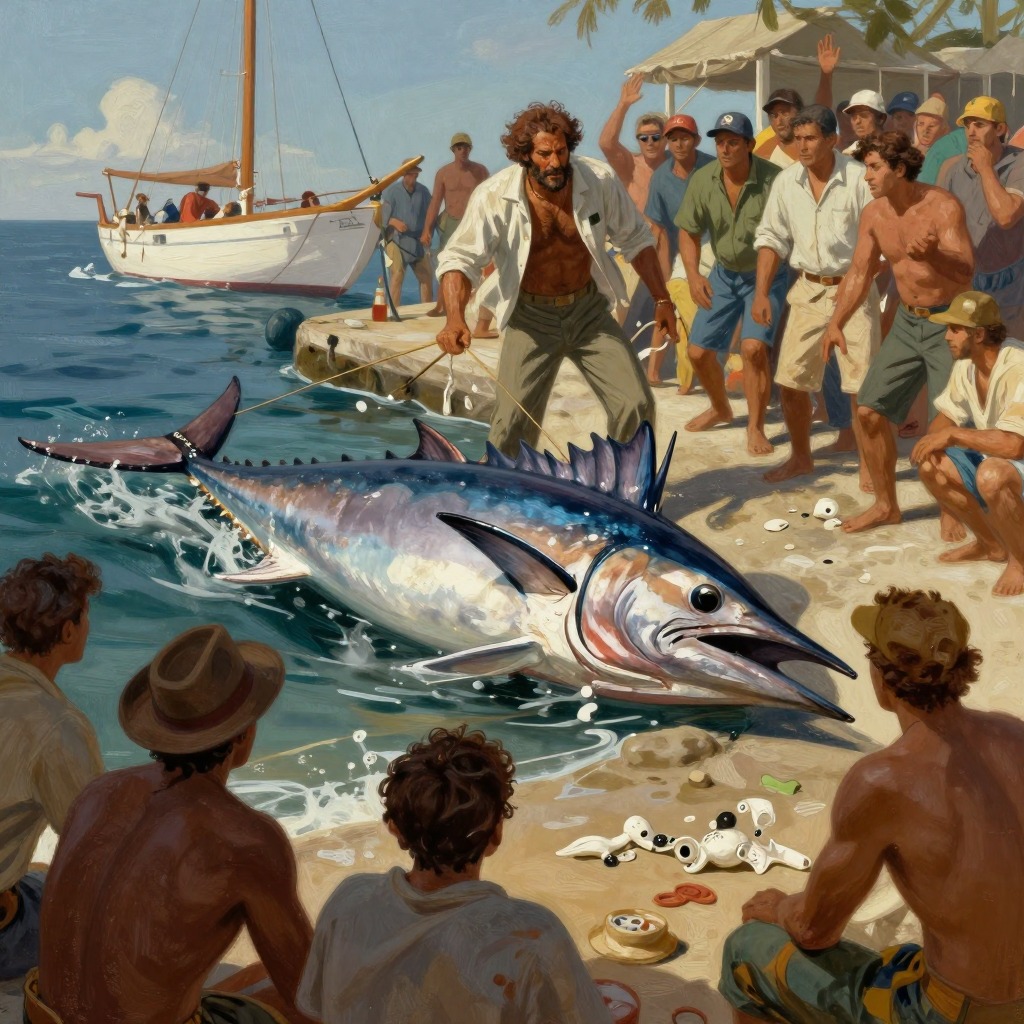
After Santiago's return from the sea, the shack becomes the site of his recovery and of Manolin's devoted care. The boy finds Santiago asleep, breathing, and sees his hands, which makes him cry. He goes out quietly to bring coffee, and later returns with a hot can of coffee, sitting by the old man until he wakes. When Santiago wakes, he tells Manolin, "They beat me. They truly beat me," and Manolin reassures him that the fish did not beat him. The boy brings food, a clean shirt, and promises to get medicine from the drugstore for Santiago's hands. He also brings newspapers from the time Santiago was gone. The old man lies down again, and the boy sits by him watching him sleep. The shack, with its meager furnishings and its relics of a lost wife and a lost youth, is the place where Santiago's ordeal ends and where his bond with Manolin is reaffirmed, even as the skeleton of the great marlin, now just garbage, lies in the harbor, misunderstood by tourists.