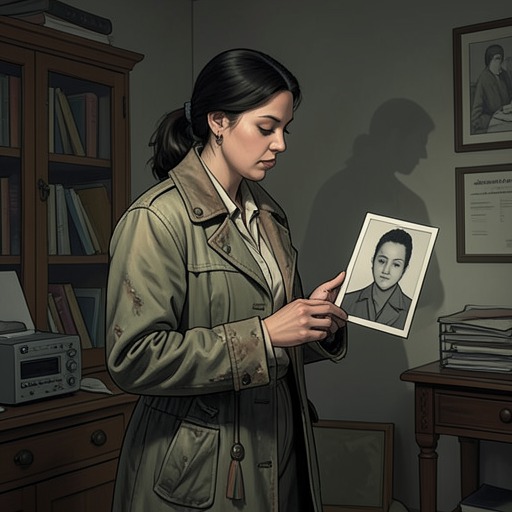
Catskill
The Other Black GirlCatskill is the upstate New York town where Kendra Rae Phillips has tried to make a life beyond Wagner’s reach. It offers distance from the threats that drove her away, but when a voicemail brings the publisher’s name back to her, the refuge becomes the place where she must decide whether safety still means keeping herself hidden.
Setting and refuge
By September 2018, Kendra had changed her hair, found a new job, and settled in a small town in upstate New York. In Catskill, she believed she could live without people troubling their new Black neighbor. The town’s quiet is defined less by any particular local institution than by the distance it gives her from the city and from the name she has spent decades trying to escape.
That retreat has brought a measure of peace, but not a settled or expansive life. Kendra is nearing seventy, lives alone, and has only a few friends, whom she thinks of more as acquaintances. Her client notes are two weeks overdue, and she excuses her lack of progress by recalling that she had become drunk on wine by herself on a weekday. Catskill shelters her from Wagner, yet her solitude and stalled work show the limits of what hiding has secured.
Wagner returns to the quiet
On September 26, Kendra delays listening to a voicemail from a young woman who says she feels as though she is going insane. She tries to occupy herself with an hour on a trail, groceries, a case of pinot noir, and some writing. When she finally plays the message, the mention of Wagner revives the decades she has spent fleeing the publisher’s name, the threats against her life, and letters from Black parents who said she would no longer be a role model in their homes.
Kendra suspects that the caller’s message is connected to an earlier contact from Lynn Johnson, who had approached her with theories about Wagner and an appeal for help. Replaying the voicemail, Kendra pieces together that the caller works for Vera Parini, once a Wagner editorial assistant, and wonders whether Lynn or someone working with her passed along Kendra’s number to bring her back to the city. The suspicion makes her refuge feel vulnerable: even at a distance, Wagner’s history can reach her through other people.
The decision to call
The caller’s panic gradually changes Kendra’s response. At first, she wants to tell the stranger that editing is not worth the cost and that she might become someone like Kendra; at another moment, she wants to smash her phone against the wall. But the young woman’s distress seems deeper than ordinary frustration, and Kendra recognizes a struggle between fear and compassion in herself. She remembers refusing Lynn’s request because returning to the city seemed too dangerous and she had finally found peace.
The objects in Kendra’s home mark the turn from avoidance to action. She places a proof and a program on the couch, returns to the kitchen, and looks again at a Jacob Lawrence print of Black arms pushing a cart of library books. Rather than destroy the phone or continue ignoring the message, she calls Lynn. Catskill remains the refuge she chose, but this moment shows that refuge no longer settles the question of whether she will respond to Wagner’s renewed presence.