El Cuco’s bloodline-linked resting places
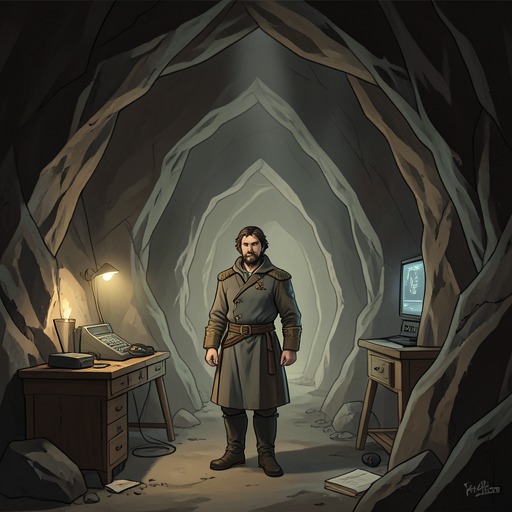
The Outsider (Stephen King Edition)El Cuco’s bloodline-linked resting places are places of the dead connected to the family of the identity the creature is assuming or shedding. The rule explains why the Marysville Hole becomes its refuge after it flees Flint City: the graves of Claude Bolton’s relatives offer a place to hibernate and, as El Cuco later reveals, a source of strength and information. The dead do not simply mark a hiding place; their bloodline has a significance the creature claims exceeds both physical inheritance and memory.
Holly’s deduction
Holly Gibney reconstructs the rule from what she has read and learned in Ohio. El Cuco, she believes, usually remains in one place for months after killing while it changes, and moves on only when the transformation is complete or nearly so. Its usual pattern has been interrupted: after a boy discovers it staying in a barn in Flint City, it anticipates the police response and leaves early. Holly reasons that it comes to be near Claude Bolton and finds a suitable refuge at the Marysville Hole.
Her account specifies the kind of place the creature seeks. It hibernates in or near places of the dead, preferably ones associated with the bloodline of the person it is changing into or out of. Holly presents this as a rule inferred from the pattern, not as something she has independently verified. Ralph Anderson recognizes that her explanation depends on accepting the supernatural premise, but cannot find a flaw in its internal logic once that premise is granted. The deduction gives the investigators a practical advantage: Holly believes El Cuco does not know they have worked out why it is at the Hole.
The Marysville Hole and the Bolton dead
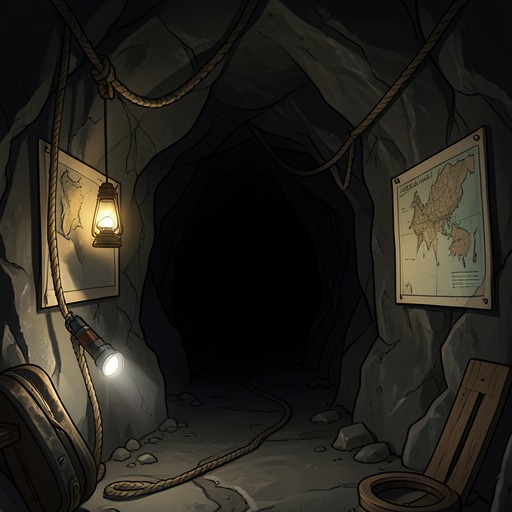
The link becomes concrete in the confrontation inside the Marysville Hole. Holly tells the creature that Claude’s uncle and cousins are buried there. El Cuco agrees and identifies additional dead in the earth, including two boys who had been hoped to be saved. It points out that Roger Bolton and his sons lie less than twenty feet below Snake’s Belly, and says that it feels them most strongly because they are near and because they are the blood it is becoming.
This disclosure ties the creature’s refuge to a specific family history rather than to burial grounds in the abstract. The Hole shelters the remains of people from the Bolton line, and El Cuco describes that closeness as part of its present transformation. Its language also makes the place more than a location chosen for concealment: the dead register to it, and the relationship between the living creature and buried relatives is active within the account it gives of its change.
What the dead provide
El Cuco distinguishes the Bolton dead from food. Their remains give off what it calls a glow or emanation, an effect that it likens to a nightlight only after Holly suggests the comparison. It says that even the boys’ remains give off a faint glow, though they are far below. The light is therefore not presented as a literal lamp or a physical signal; it is the creature’s way of describing an influence it senses in the dead.
When Holly asks whether this influence consists of memories, El Cuco rejects that explanation. It describes the connection instead as “Bloodline” and says it goes beyond memory and the physical similarities passed down through generations: it is a way of being and seeing. The dead are no longer alive, and their souls—what it calls their ka—are gone, yet something remains in their brains and bodies. That remainder is not food, it says, but strength. The rule thus extends beyond a preference for ancestral burial sites: in El Cuco’s account, bloodline supplies an intangible inheritance that can support the creature as it becomes someone of that line.
Rule, information, and uncertainty
The exchange leaves the mechanism partly unexplained. Holly’s formulation is that El Cuco hibernates in or near graves associated with the relevant bloodline; the creature’s statements support a connection between those dead and its transformation, but do not provide a complete account of how the effect works or establish the limits of the rule. Holly herself frames the rule as an inference from the creature’s behavior, while Ralph’s response marks the larger uncertainty involved in treating supernatural claims as a system with discoverable conditions.
The scene also distinguishes the bloodline’s contribution from personal memory. El Cuco does not say that the dead recount their lives to it; it claims instead to receive a kind of information through a shared inheritance, alongside strength. By locating that inheritance in the remains of the Bolton family beneath Snake’s Belly, the rule binds transformation to place and ancestry at once. The Marysville Hole is consequently both a refuge during change and a site where the creature’s borrowed identity is connected to the dead whose bloodline it is taking on.