
The Final Call to Action
The Ownership Wars: Who Owns YouThis flow traces the book’s closing movement from diagnosis and condemnation toward revolutionary urgency.
increasing Bearing strength in each event
 decreasing
Bearing strength in each eventdecreasingThe Storm Metaphor
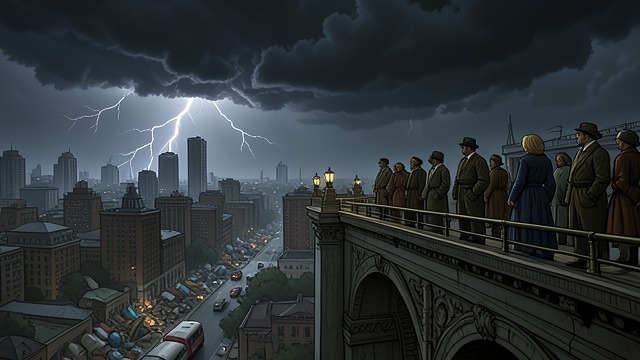
The Storm Metaphor
Approaching Crisis
The book imagines financial collapse and political failure as dark clouds gathering over the existing order. Crisis is not merely feared; it is expected to expose hidden relationships.
The storm becomes a historical opportunity.
The Question of Position
Citizens must decide where they stand before events force a choice.
The Failure of Waiting
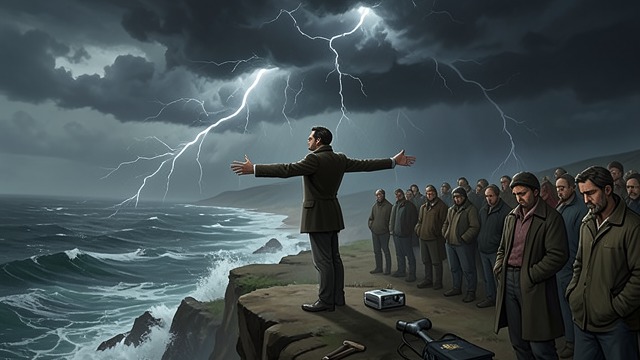
The Failure of Waiting
Passive Hope
The book rejects dependence on saviors, elections, or gradual improvement. Heroes are defined as people who act rather than await rescue.
Waiting preserves the structures that produce the crisis.
Will in Motion
The will to power becomes a command to intervene in history.
The Revolutionary Subject
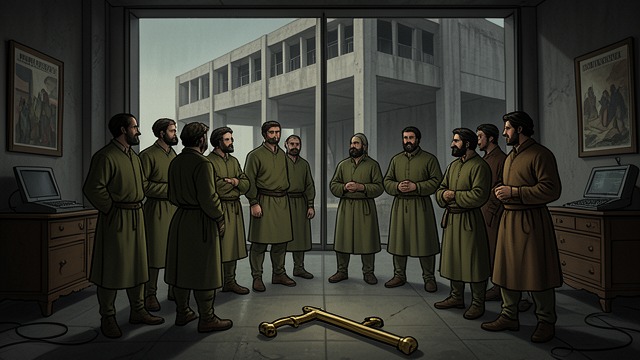
The Revolutionary Subject
Becoming Responsible
The reader is asked to become an agent rather than a commentator. Study, organization, experimentation, and risk are presented as obligations.
Knowledge must enter public struggle.
The Collective Body
The revolutionary subject is not an isolated hero but a disciplined movement devoted to common liberation.
The People Against Ownership
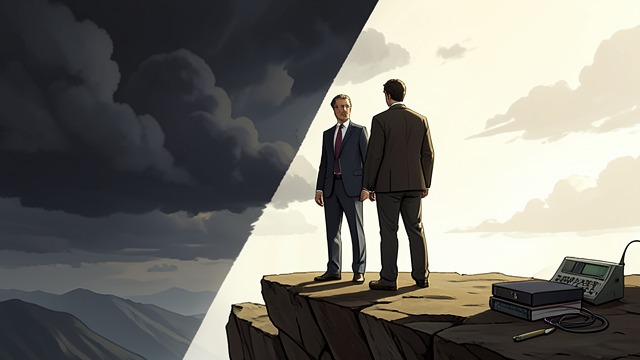
The People Against Ownership
A Simple Division
The book reduces the final political choice to two sides: the people or the billionaires who own and shape the system. Intermediate positions are treated as evasions.
This simplification produces moral clarity and political intensity.
The Risk of Purity
The same clarity can erase legitimate disagreement and encourage a politics of exclusion.
Time’s Up
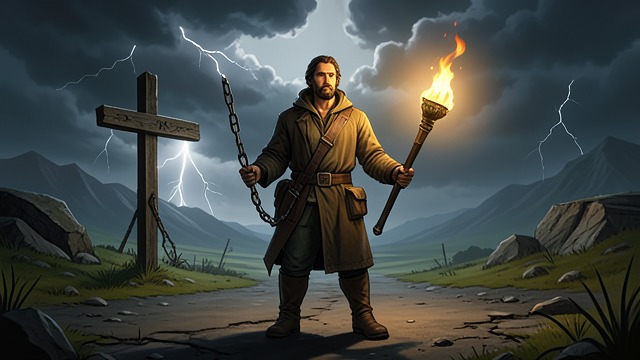
Time’s Up
The Closing Demand
The book ends by asking whether people will continue accepting ownership as destiny. Liberation requires overthrowing the master–slave relationship and preventing its return.
The conclusion offers no institutional timetable, only urgency.
An Open Ending
The final question remains directed at the reader: whether recognition will become action before crisis becomes irreversible.
In the late revolutionary sections
Immediately before the final summons
In the call to the Jacobins
Near the conclusion
At the final paragraph
