
The Two Concepts of Freedom
The Ownership Wars: Who Owns YouThis flow traces the book’s philosophical deepening of freedom from non-interference toward collective self-realization.
increasing Bearing strength in each event
 decreasing
Bearing strength in each eventdecreasingFreedom From

Freedom From
Removing Restraint
Negative liberty defines freedom as the absence of state interference. Its ideal citizen resists taxation, regulation, collective programs, and public authority.
The appeal lies in personal independence and protection from coercion.
The Social Blind Spot
The concept overlooks economic compulsion and the private power that fills the space left by government.
Freedom For

Freedom For
Capacity and Purpose
Positive liberty defines freedom as the ability to pursue meaningful development. Education, health, security, and public institutions create the conditions for action.
Freedom gains a direction rather than remaining merely defensive.
Collective Provision
The state is justified when it expands the real choices available to all.
The Market Constraint

The Market Constraint
Formal Choice
Workers may legally choose employers, yet economic necessity limits the practical range of choices. The market can therefore preserve coercion beneath the language of contract.
The book calls this a disguised form of slavery.
Unequal Agency
Those with capital exercise far greater freedom than those who sell labor.
The State’s Promise
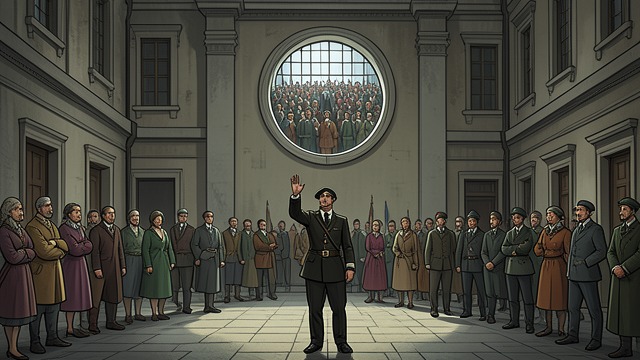
The State’s Promise
Public Coordination
A positive-liberty state would regulate markets, redistribute opportunity, and direct economic power toward common welfare. It would make freedom materially possible.
The aim is not to abolish all private activity but to subordinate it to public purposes.
Democratic Legitimacy
The state must remain accountable to the General Will rather than become a new private elite.
Freedom Reimagined

Freedom Reimagined
Beyond Escape
The book rejects the idea that freedom means merely escaping rules. A person is free when capable of pursuing truth, creativity, solidarity, and greatness.
The definition turns freedom into an achievement.
The Final Standard
A society is judged by the capacities it gives people, not by the restrictions it removes.
In the initial discussion of libertarianism
After the critique of negative liberty
In the comparison of workers and owners
In the proposed social-capitalist alternative
At the end of the political philosophy
