
The Media Spectacle
The Ownership Wars: Who Owns YouThis flow follows the conversion of politics, advertising, and public identity into one continuous entertainment system.
increasing Bearing strength in each event
 decreasing
Bearing strength in each eventdecreasingPolitics as Show Business
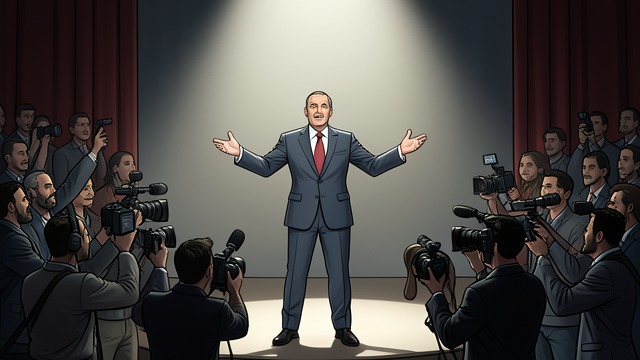
Politics as Show Business
The Actor’s State
The book argues that modern political authority increasingly depends on performance. Image, timing, repetition, and celebrity recognition compete with policy as sources of legitimacy.
The politician becomes a performer who must maintain attention across an endless news cycle.
The Cost of Spectacle
Public life becomes easier to consume but harder to understand. Structural power disappears behind personality and staged conflict.
The Tabloid Method
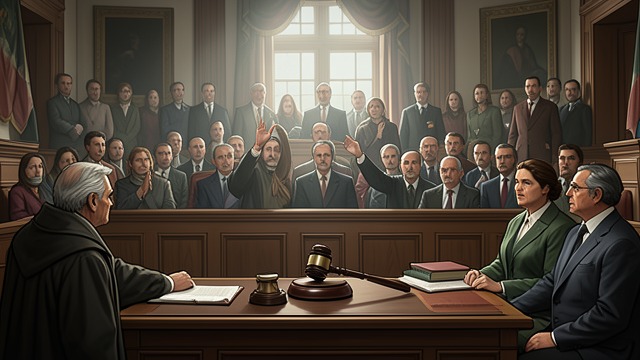
The Tabloid Method
Combat as Branding
The book describes a political style built on insults, lawsuits, exaggeration, and constant confrontation. The method keeps the central figure visible while forcing opponents to respond on hostile terms.
Personal attack replaces deliberation. The news cycle becomes an arena where repetition can make unsupported claims feel familiar.
The Cohn Legacy
This style is linked to an older culture of legal intimidation and reputational destruction, where victory matters more than principle.
Advertising Desire

Advertising Desire
From Needs to Wants
The book presents modern capitalism as a system that teaches people to desire commodities before existing needs are satisfied. Consumption becomes a permanent emotional requirement.
Advertising addresses insecurity, status anxiety, and fantasies of transformation rather than reasoned judgment.
The Manufactured Self
Products become symbols through which consumers perform identity. Personality is increasingly communicated by objects rather than conduct.
The Celebrity Commodity
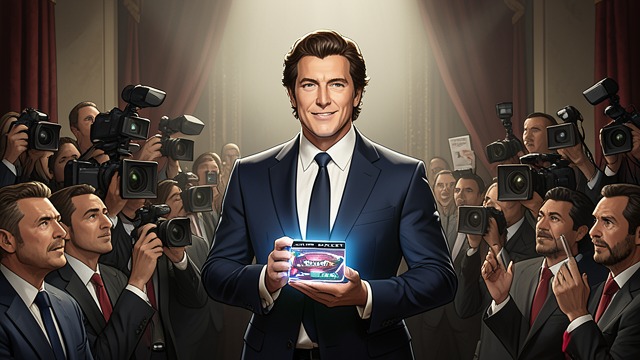
The Celebrity Commodity
Selling the Self
Celebrity culture turns personality into a commodity that can be packaged, displayed, and exchanged. Political figures benefit when their names function like consumer brands.
The book interprets this process as the commoditization of public character. Authenticity is replaced by recognizable signs of wealth, glamour, and rebellion.
The Audience’s Role
The public is not merely deceived; it participates by rewarding visibility with attention, loyalty, and purchases.
The Reality Show Presidency
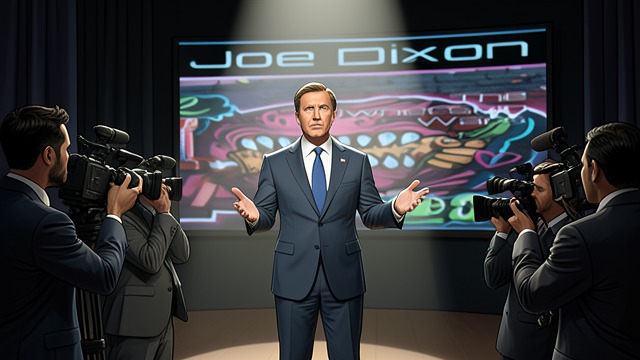
The Reality Show Presidency
Permanent Performance
The presidency becomes a serialized spectacle in which every controversy generates a new episode. Governance is subordinated to the need for dramatic continuity.
Supporters and opponents alike become part of the show because outrage sustains attention.
The Political Afterimage
The book concludes that spectacle can outlive individual policies. Once citizens learn to experience government as entertainment, democratic judgment becomes difficult to recover.
In the opening discussion of celebrity politics
In the account of New York City media culture
In the section on consumer culture
After the analysis of advertising
During the first presidential months
