
The Emotional Architecture
The Ownership Wars: Who Owns YouThis flow traces how resentment, status anxiety, and belonging redirect political anger away from structural power.
increasing Bearing strength in each event
 decreasing
Bearing strength in each eventdecreasingThe Feeling of Exclusion

The Feeling of Exclusion
Cultural Injury
The book presents many voters as convinced that cultural elites have forgotten them. Their grievance is emotional before it becomes programmatic.
They experience universities, media, and coastal institutions as symbols of humiliation and exclusion.
The Political Opening
A charismatic leader can convert this injury into loyalty by promising recognition, revenge, and restored status.
Resentment Descends
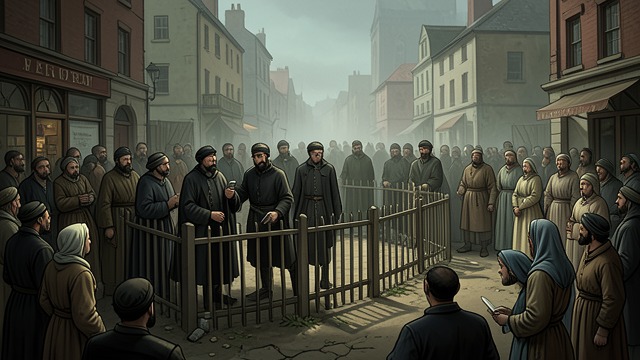
Resentment Descends
The Wrong Target
The book argues that resentment often moves downward toward minorities and outsiders rather than upward toward owners. Relative superiority becomes more important than absolute improvement.
This mechanism preserves the class structure while giving anger a visible target.
The Emotional Reward
The voter may remain economically subordinate yet feel restored through another group’s exclusion.
The Dog Whistle
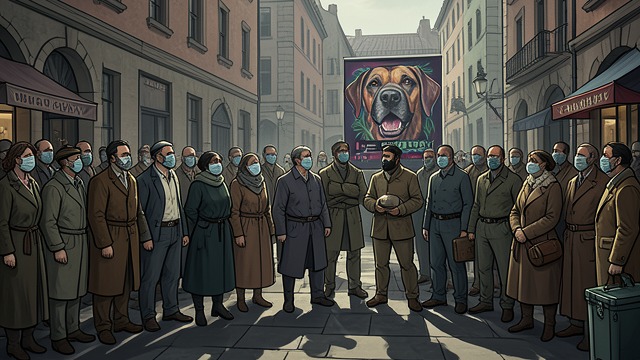
The Dog Whistle
Coded Recognition
Political slogans are interpreted as signals heard differently by different audiences. Appeals to borders, crime, national greatness, and order can carry racial meanings without stating them directly.
The leader’s ambiguity protects public deniability while preserving private recognition.
A Shared Secret
Supporters feel understood because they believe the message contains a promise unavailable to outsiders.
The Slave Hierarchy

The Slave Hierarchy
Relative Rank
The book describes a hierarchy in which white workers accept domination from above because they remain above non-white workers. Their dignity is measured comparatively.
This arrangement blocks solidarity by making equality appear as a loss of status.
The Master’s Advantage
The elite benefit from a divided population that defends rank instead of demanding universal freedom.
The Emotional Culmination
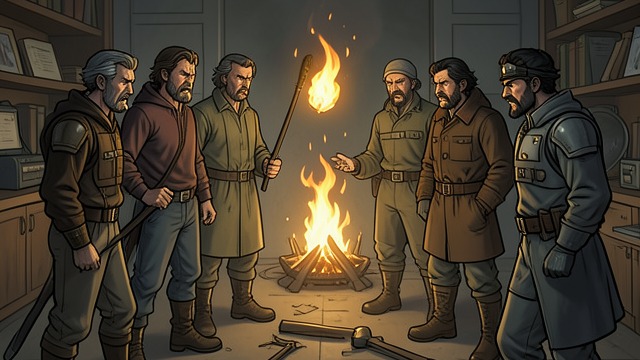
The Emotional Culmination
Loyalty Through Anger
Resentment becomes a durable bond between leader and followers. Every criticism is recoded as an attack on the community the leader claims to represent.
Failure can intensify loyalty because admitting error would mean admitting that the grievance itself was manipulated.
The Closed Circle
The political movement becomes resistant to factual correction, held together by shared humiliation and the promise of revenge.
In the discussion of Trump voters
After the analysis of class resentment
In the analysis of campaign language
During the extended historical analogy
Near the close of the ressentiment section
