
The People and the Elite
The Ownership Wars: Who Owns YouThis flow traces the book’s shifting emotional relationship with ordinary citizens, from sympathy to denunciation to revolutionary hope.
increasing Bearing strength in each event
 decreasing
Bearing strength in each eventdecreasingThe Exploited Majority
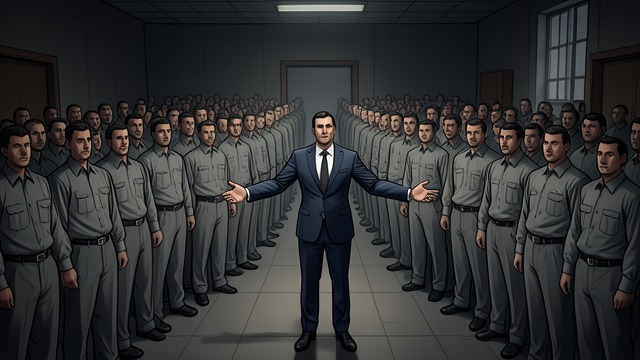
The Exploited Majority
Numerical Power
The book begins by emphasizing that ordinary people vastly outnumber the Ownership Class. Their weakness is therefore not numerical but organizational and psychological.
They are victims of economic dependence and ideological conditioning.
The Hope of Unity
The majority could reclaim society if it recognized its shared position.
The Accusation of Servility

The Accusation of Servility
Submission as Choice
The book harshly argues that many citizens actively seek masters, preferring security, entertainment, and private life to political struggle.
This converts social victimhood into moral blame.
The Emotional Break
Sympathy for the oppressed becomes anger at their complicity in preserving oppression.
The Mob Image
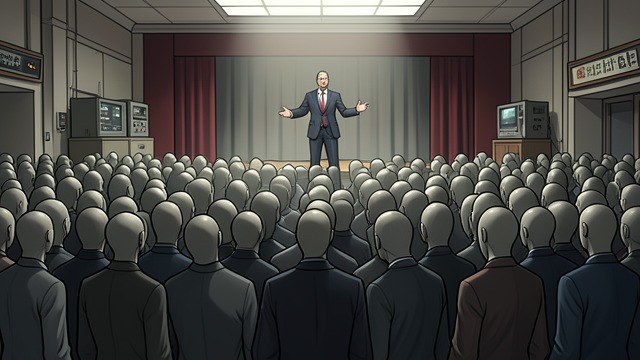
The Mob Image
Irrational Masses
Ordinary citizens are repeatedly depicted as a mob manipulated by elite spectacle and false expertise. Their certainty is treated as inversely related to their knowledge.
The language reveals the author’s contempt for popular judgment.
Democratic Anxiety
The book’s revolutionary politics therefore coexists with deep distrust of the people it claims to liberate.
The Revolutionary People
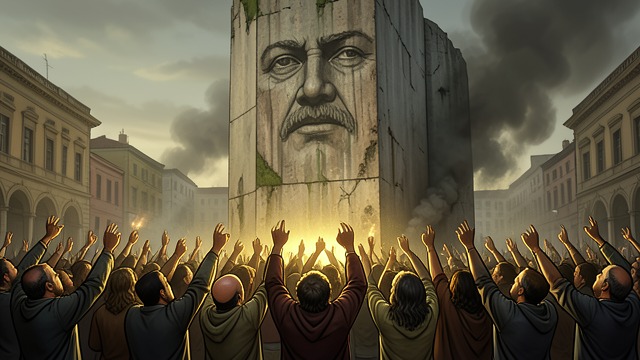
The Revolutionary People
Reclaimed Agency
Despite its contemptuous rhetoric, the book imagines the people becoming the true holders of political power. The General Will replaces elite interest as the standard of legitimacy.
Education and organization are supposed to transform passive citizens into active participants.
Collective Dignity
The people are no longer consumers or followers but authors of the social order.
The Ambivalent Embrace
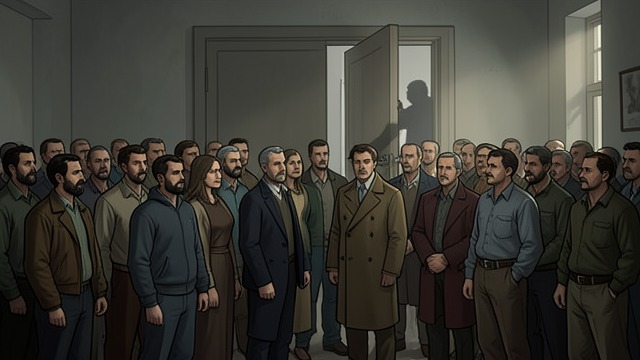
The Ambivalent Embrace
Liberation and Discipline
The book wants to free ordinary people while imposing demanding standards of reason, intelligence, and public duty. It celebrates popular emancipation but distrusts uneducated preference.
This contradiction shapes its emotional relationship with the masses.
The Unfinished Bond
The people remain both the subject of the revolution and the obstacle the revolution must overcome.
In the opening class analysis
After the master–slave discussion
In the section on Dunning–Kruger politics
In the Jacobin program
Near the conclusion
