
The Confederacy Reimagined
The Ownership Wars: Who Owns YouThis flow traces the book’s use of the American Civil War and slavery as a historical mirror for contemporary capitalism.
increasing Bearing strength in each event
 decreasing
Bearing strength in each eventdecreasingPlantation Wealth
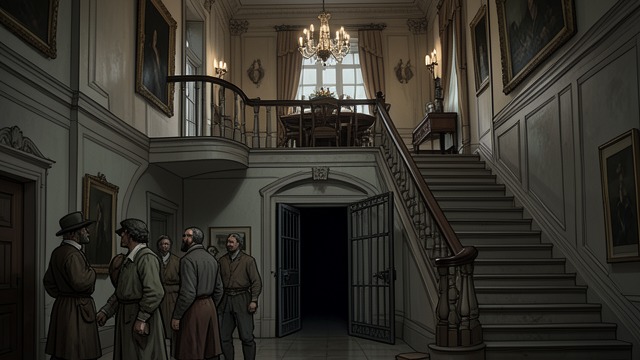
Plantation Wealth
Concentrated Prosperity
The book describes the American South as rich at the top and impoverished beneath its plantation elite. Enslaved labor generated wealth while preventing broad social development.
The majority of white Southerners did not own slaves, yet they were recruited to defend a system that primarily enriched a minority.
Class Deception
Racial hierarchy supplied psychological compensation for material deprivation. Status became a substitute for economic power.
The White Working Class
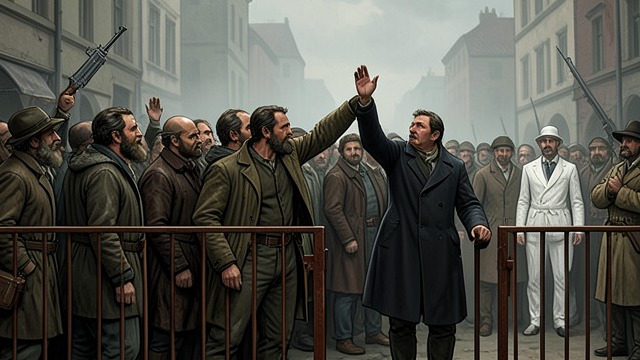
The White Working Class
A Manufactured Alliance
The book compares poor white Confederates with contemporary voters who support wealthy leaders. In both cases, a subordinated group is persuaded to protect the privileges of a superior class.
The promise of racial or cultural superiority makes exploitation more tolerable.
Misplaced Anger
Resentment descends toward groups with less power instead of rising toward the owners of the system.
The Union’s Intervention
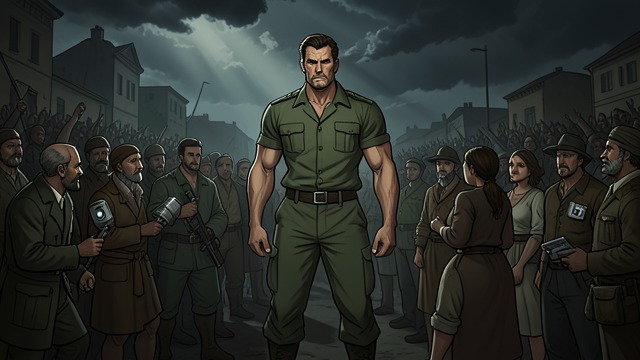
The Union’s Intervention
Public Power Against Property
The Union is presented as an example of positive liberty: the state intervenes decisively when private property includes human beings.
The Confederacy’s appeal to property rights is treated as a moral inversion. Violence used to preserve slavery cannot be defended as resistance to tyranny.
A Historical Standard
The conflict establishes a test for political freedom: property cannot possess greater protection than human dignity.
The New Confederacy
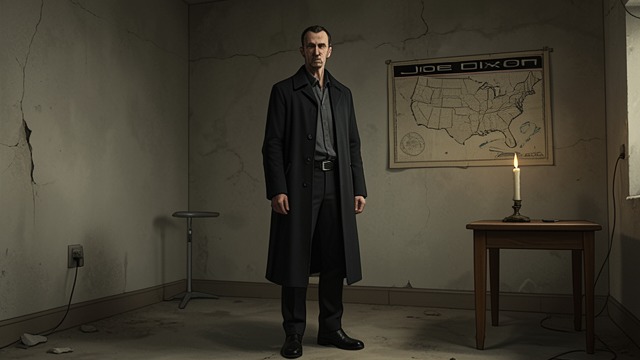
The New Confederacy
Ideological Continuity
The book describes modern conservatism as carrying forward the Confederacy’s suspicion of government, regulation, and collective rights. The historical institution of slavery becomes an extreme example of unrestricted property power.
The comparison is intentionally polemical. It treats contemporary capitalism as a softened but structurally related form of dependence.
The Unfinished War
The Civil War is said to have ended militarily without ending the ideology that produced it.
The Second Civil War
The Second Civil War
A Mental Conflict
The book calls for the defeat of Confederate culture in political and economic consciousness. The battlefield has moved from territory to ideas about property, state power, and social obligation.
The desired victory would abolish predatory capitalism rather than merely change party control.
The Risk of Metaphor
The historical analogy intensifies the moral stakes but also turns political disagreement into a struggle between incompatible civilizations.
In the historical discussion of the antebellum South
During the comparison with present politics
During the account of the Civil War
In the comparison with modern Republicans
Near the conclusion of the cultural-war argument
