
The Love of Greatness
The Ownership Wars: Who Owns YouThis flow traces the book’s emotional rejection of small consumer dreams and its attachment to transcendence, genius, and civilization.
increasing Bearing strength in each event
 decreasing
Bearing strength in each eventdecreasingThe Little Dream

The Little Dream
Private Comfort
The book mocks dreams of bunkers, guns, tax avoidance, and unrestricted consumption as tiny substitutes for purpose. Freedom from restraint is not enough if no higher aim follows.
The small dream protects the individual from sacrifice but also from greatness.
The Last Man’s Happiness
Comfort becomes a form of spiritual impoverishment.
The Tower of Narcissus
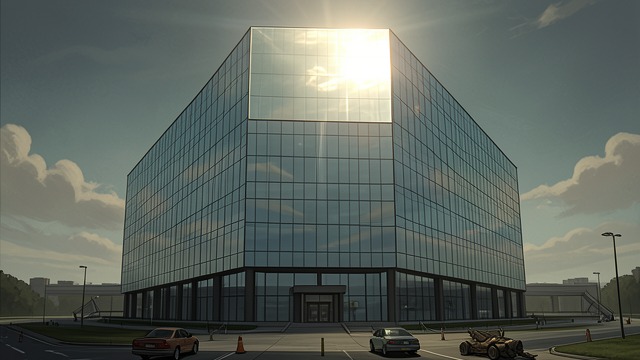
The Tower of Narcissus
Gold and Display
Trump Tower becomes a symbol of self-adoration, material success, and public vanity. The building is treated as the architectural expression of a personality organized around status.
Its grandeur is judged hollow because it serves no common purpose.
The Anti-Sublime
The tower shows how wealth can imitate greatness while remaining trapped in possession.
The Big Dream
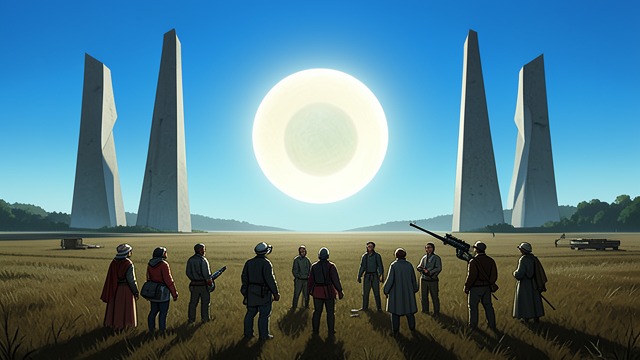
The Big Dream
Human Transformation
The book’s preferred dream is the creation of a society of gods and goddesses: people developed through reason, art, intelligence, and disciplined aspiration.
Greatness is collective rather than aristocratic.
Against Triviality
The big dream restores scale to human desire by making the universe, not the marketplace, the object of ambition.
The Intellectual Sublime
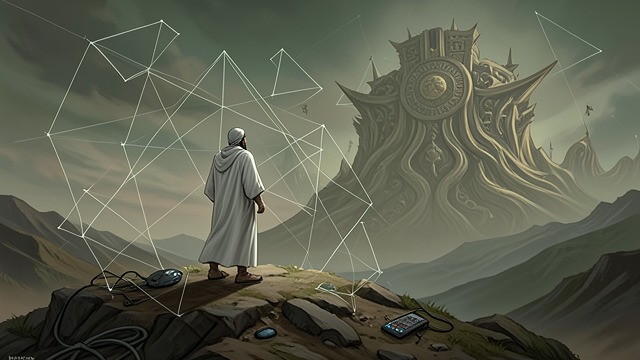
The Intellectual Sublime
Mathematics as Elevation
Mathematics is presented as the route beyond sensory limitation and commercial distraction. It reveals a realm of necessary structure that belongs to no owner.
Genius becomes a bridge between private consciousness and universal order.
A Democratic Challenge
The book nevertheless wants this elevation available to everyone through public institutions.
The Human Horizon

The Human Horizon
Becoming More
The book’s emotional core is a refusal to accept humanity as finished. People are unfinished beings capable of becoming more rational, creative, and powerful.
The future is valued because it can exceed the inherited limits of the past.
The Cost of Aspiration
Such greatness demands collective discipline, sacrifice, and rejection of the pleasures that the market offers as happiness.
In the critique of libertarian aspirations
In the discussion of Trump Tower
In the contrast with consumer society
During the discussion of mathematics and genius
At the close of the utopian vision
