
The Elite Divide
The Ownership Wars: Who Owns YouThis flow traces the development of the book’s conflict between economic elites and rival cultural or political elites.
increasing Bearing strength in each event
 decreasing
Bearing strength in each eventdecreasingMany Elites

Many Elites
A Confusing Map
The book lists political, cultural, media, military, banking, corporate, and celebrity elites. Their multiplicity makes responsibility difficult to assign.
Citizens encounter a field of competing institutions rather than one visible ruling structure.
The Strategic Effect
Complexity can prevent class analysis by turning structural domination into a contest among personalities and professions.
The Single Elite
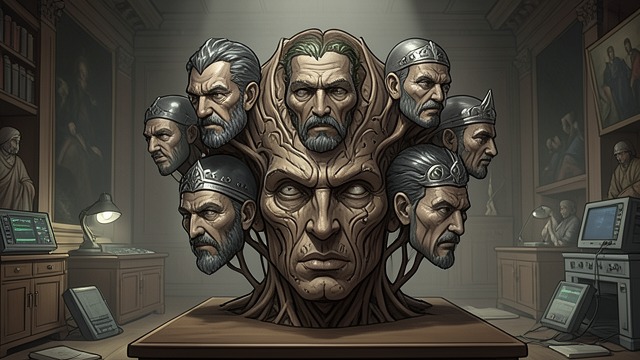
The Single Elite
Economic Unity
The book insists that the decisive elite is the Ownership Class, regardless of liberal or conservative branding. Political differences become secondary to shared commitments to property and capital.
The argument does not deny institutional conflict. It denies that such conflict changes who ultimately benefits.
The Hidden Creature
Rival elite factions are compared to heads of one organism. Fighting one head while protecting another leaves the structure intact.
The Liberal-Conservative Split

The Liberal-Conservative Split
Manufactured Opposition
The book presents the major parties as competing within a shared capitalist framework. Their cultural differences generate passion while economic continuity limits the range of outcomes.
Partisan identity becomes a substitute for class identity.
The Political Trap
Citizens are encouraged to choose which elite should speak for them rather than whether elites should rule at all.
The Populist Reassignment
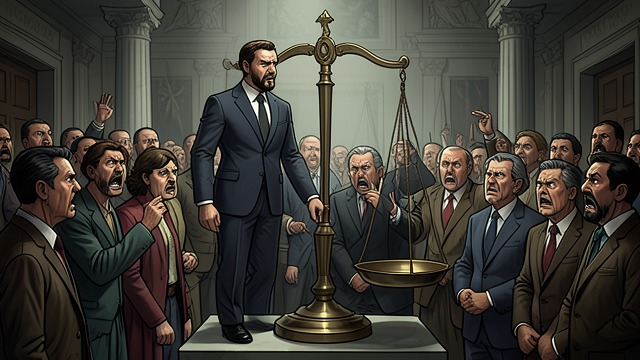
The Populist Reassignment
Redirected Anger
The billionaire candidate claims to oppose political and media elites while leaving economic ownership unquestioned. Anger is reassigned from wealth to cultural institutions.
This reassignment permits supporters to feel revolutionary without threatening property relations.
The Contradictory Coalition
The movement unites anti-establishment rhetoric with pro-ownership politics, producing a coalition whose promises pull in opposite directions.
The Exposure of Power

The Exposure of Power
Direct Rule
Once a billionaire occupies the White House, the boundary between private wealth and public power becomes harder to conceal. The book treats this visibility as a dangerous but clarifying moment.
The political buffer has failed.
The Choice Ahead
Citizens must decide whether to restore the buffer or challenge the Ownership Class itself. The book favors the latter and expects crisis to make the choice unavoidable.
At the start of the elite analysis
After the catalog of social elites
In the comparison of the two American parties
During the analysis of Trump’s campaign
Near the conclusion of the elite argument
