
The Fate of the Middle Class
The Ownership Wars: Who Owns YouThis flow traces the middle class from buffer between capital and labor to a shrinking population exposed to the same insecurity as workers.
increasing Bearing strength in each event
 decreasing
Bearing strength in each eventdecreasingThe Protective Buffer
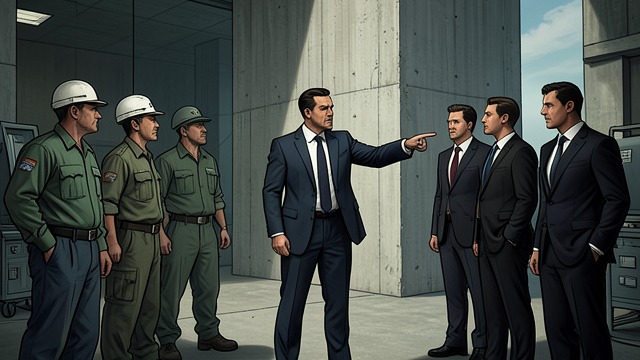
The Protective Buffer
Between Classes
The book describes the middle class as a social layer that softened conflict between owners and workers. Its members often administered, defended, and culturally legitimized the system above them.
They could imagine advancement because the elite seemed reachable.
Collaboration
This hope made them reliable agents of property rather than natural allies of labor.
The Class Aspirations
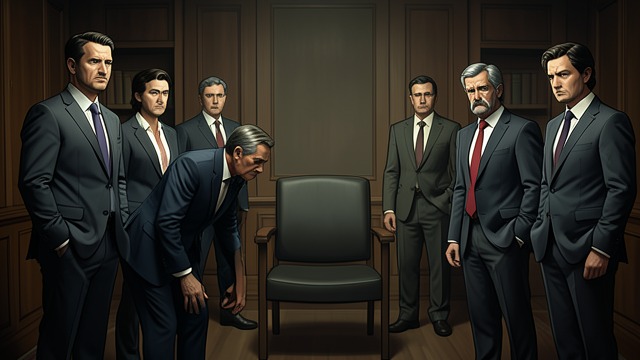
The Class Aspirations
Borrowed Status
Middle-class conservatives are described as identifying upward with wealth and downward against workers or minorities. Their politics protects the possibility of becoming elite more than present material interests.
Status anxiety replaces solidarity.
The Political Service
The class becomes a cultural enforcement arm for the Ownership Class.
Automation’s Pressure
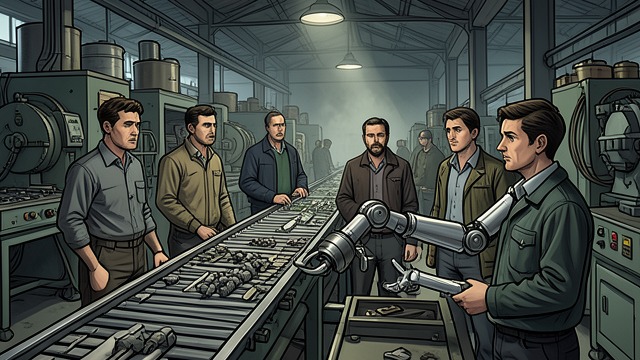
Automation’s Pressure
Jobs Disappear
Technology and automation begin to erode middle-class employment as effectively as working-class jobs. The buffer between labor and capital contracts.
Economic security becomes less credible, and the promise of upward mobility weakens.
Shared Vulnerability
The middle class is pushed toward the same insecurity it once helped administer.
The Shrinking Buffer
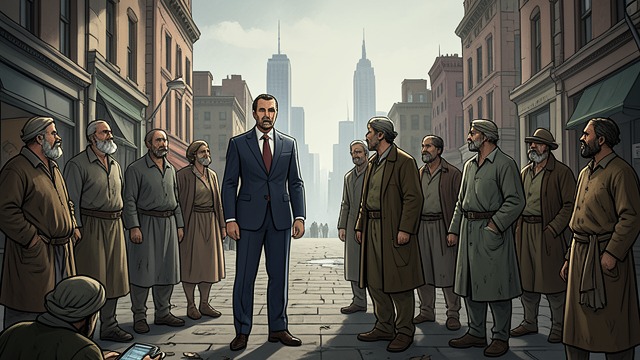
The Shrinking Buffer
Concentrated Wealth
As the middle class shrinks, wealth flows toward a smaller group of owners. The social structure begins to resemble the stark class divisions associated with the nineteenth century.
The book sees this as a dangerous return rather than a natural cycle.
Revolutionary Potential
A common condition could create solidarity, but only if cultural division is overcome.
The Choice of Alliance
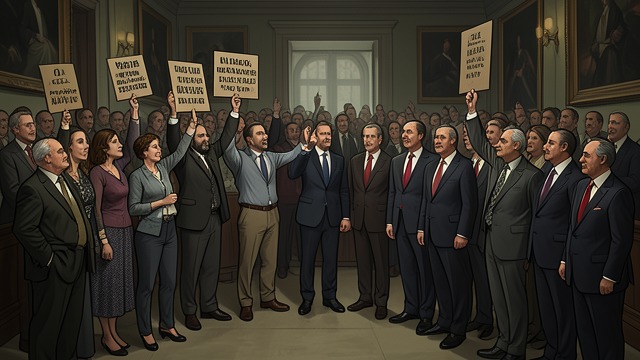
The Choice of Alliance
Downward or Upward
The middle class can continue defending relative privilege or join workers against concentrated ownership. Its decision will determine whether the elite remain secure.
The book treats neutrality as impossible.
Historical Consequence
A broad alliance could produce democratic transformation; continued resentment could produce authoritarian populism.
In the historical account of capitalism
During the discussion of conservative identity
In the discussion of technological change
After the automation argument
Near the conclusion of the class analysis
