
The Philosophy of the Elite
The Ownership Wars: Who Owns YouThis flow follows the book’s philosophical construction of elite power through Nietzschean psychology, social hierarchy, and the will to power.
increasing Bearing strength in each event
 decreasing
Bearing strength in each eventdecreasingMaster and Slave

Master and Slave
Risk and Submission
The book uses the master–slave dialectic to explain why some people seek domination while others prioritize survival. The master risks death rather than accept subordination; the slave accepts dependence to preserve life.
This psychological distinction is then applied to class hierarchy.
Social Generalization
The model becomes controversial when the majority is described as wanting masters. Its purpose is to explain why domination can be desired by those it harms.
Will to Power
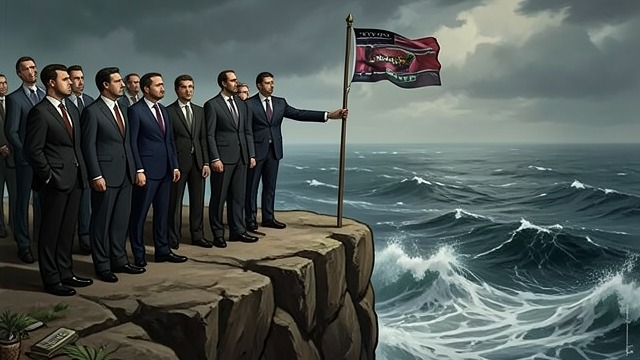
Will to Power
Expansion and Risk
The book presents the elite as people driven by acquisition, competition, and control. Their willingness to accept danger becomes evidence of a stronger will to power.
Ordinary people are portrayed as choosing comfort, relationships, and survival instead.
Political Consequence
Power remains with those prepared to pursue it relentlessly. The book therefore asks whether intelligence without will can ever defeat organized domination.
The Last Man

The Last Man
Small Happiness
The book adapts the figure of the Last Man to describe consumers satisfied by comfort, entertainment, and minor pleasures. Their horizons shrink as their desires are managed by the market.
They avoid difficult aspirations and treat safety as the highest achievement.
The Political Cost
A society of Last Men cannot challenge rulers who control the conditions of comfort. Passivity becomes a cultural virtue.
The Sublimated Superman
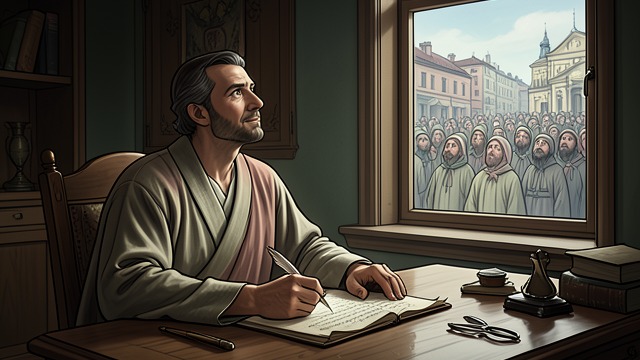
The Sublimated Superman
Beyond Brutality
The book distinguishes intellectual and artistic greatness from racist or militarist domination. The desired higher human is a genius, creator, and profound soul rather than a mere conqueror.
Human excellence should be cultivated across the population rather than monopolized by an elite.
Collective Elevation
The ideal becomes political: institutions should help ordinary people develop extraordinary capacities.
The Elite’s Defeat
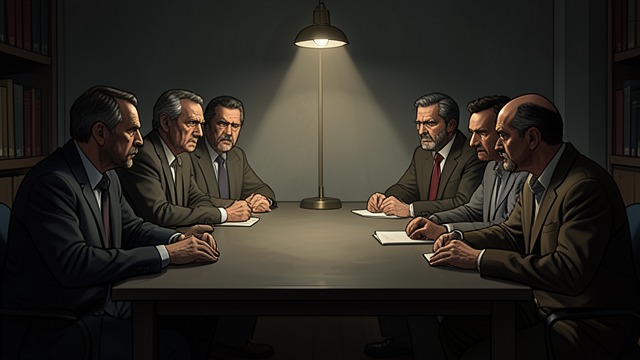
The Elite’s Defeat
Intelligence as Weapon
The book argues that educated people often refuse the strategic ruthlessness required to defeat entrenched power. They debate while their opponents organize.
The call to Machiavellian action is therefore directed at intellectuals who wish to change the world rather than merely interpret it.
The Moral Limit
The text never fully resolves how revolutionary force can avoid reproducing the domination it opposes. That unresolved contradiction remains central to its political philosophy.
At the philosophical beginning
In the interpretation of elite behavior
During the critique of consumer society
In the vision of human transformation
In the final revolutionary summons
