
The Final Struggle Between Order and Chaos
The Ownership Wars: Who Owns YouThis flow traces the book’s culminating conflict between an organized rational state and the freedom of predatory disorder.
increasing Bearing strength in each event
 decreasing
Bearing strength in each eventdecreasingThe Jungle Ideal
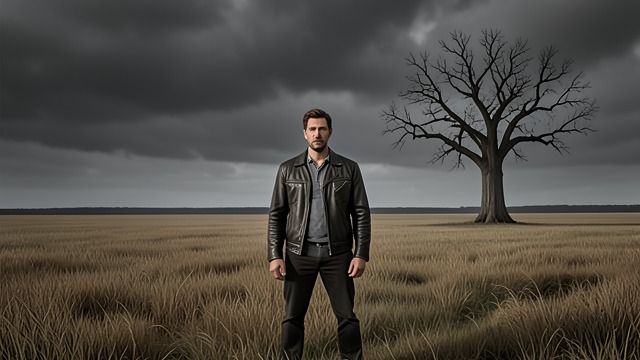
The Jungle Ideal
Absolute Release
The book imagines the libertarian ideal as a jungle without rulers, taxation, law, or public obligation. It argues that such a world is not peaceful but governed by predation.
The strongest creature sets the terms.
Freedom’s Paradox
A society without public power can leave individuals exposed to private power.
The Strong State
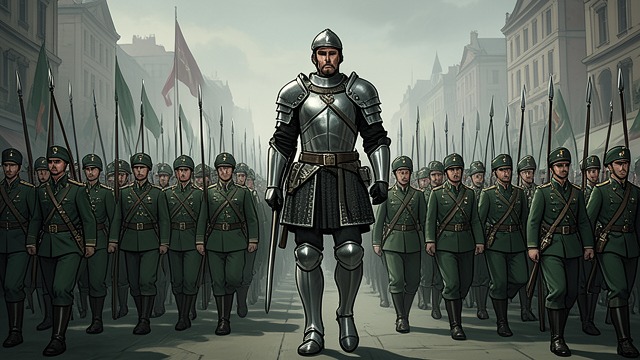
The Strong State
Discipline and Purpose
Sparta is invoked as an example of a state whose authority absorbs individual life into collective purpose. The model contrasts sharply with armed resistance to government.
Strength comes from coordination rather than private autonomy.
The Authoritarian Attraction
The book’s admiration reveals its conviction that civilization requires decisive public command.
The Rational Empire
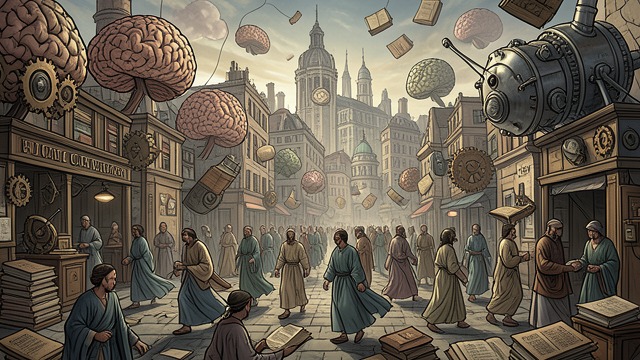
The Rational Empire
Total Commitment
The imagined state directs resources toward science, art, education, and human optimization. It rejects the market’s fragmented pursuit of private gain.
Every institution serves a common intellectual purpose.
The Promise
Order becomes meaningful when it expands human capacities rather than merely enforcing obedience.
The Enemy Within
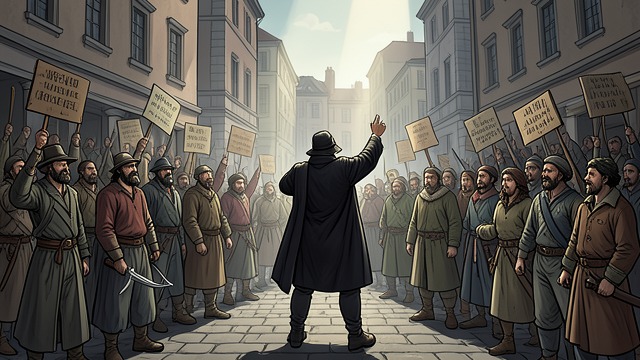
The Enemy Within
Internal Sabotage
Right-wing resistance is portrayed as an internal force that blocks collective purpose. Its hostility to government protects private elites from public correction.
The enemy is ideological rather than foreign.
The Language of War
Political disagreement is transformed into a civilizational struggle requiring total victory.
The Unsettled Victory
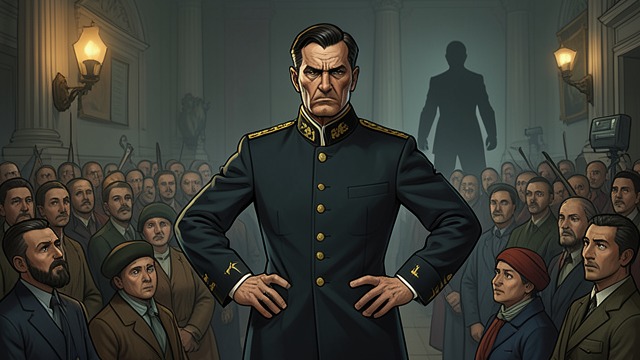
The Unsettled Victory
Order’s Dilemma
The book demands a strong rational state but offers no complete safeguard against its own coercive potential. The cure for private domination may create public domination.
This tension is not resolved by repeated appeals to reason.
The Final Question
The reader is left to decide whether freedom is best secured by disciplined collective power or by limits placed upon every power.
In the critique of anarcho-capitalism
In the discussion of Sparta
In the vision of Hyperborea
During the denunciation of right-wing ideology
Near the ending
