
Poetry as Clue and Self-Revelation
The Pale Blue EyePoetry begins as Poe’s language for mystery and desire, then becomes a coded route to Mattie’s story and Landor’s guilt.
increasing Bearing strength in each event
 decreasing
Bearing strength in each eventdecreasingA Poem Before the Case
A Poem Before the Case
The pale-blue eye
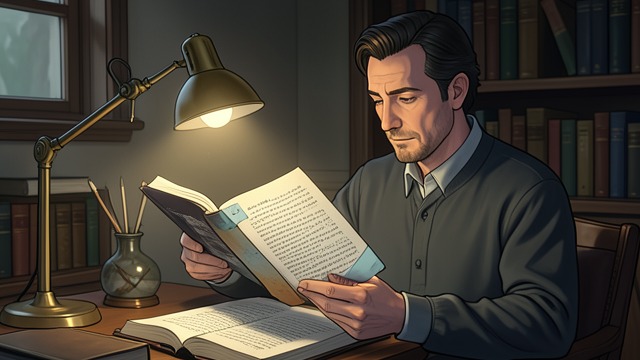
Poe writes of Leonore, a distressed woman with a pale-blue eye, and connects the poem to Leroy Fry’s death. The verse arrives before he understands its source.
Art as intuition
The poem gives shape to feelings that Poe cannot yet articulate. Its apparent supernatural origin also reflects the novel’s uncertainty about whether imagination predicts events or reorganizes experience.
The Poet’s Theory

The Poet’s Theory
A symbolic crime
Poe argues that taking a heart is an act of symbolic imagination and therefore likely the work of a poet. He places literary meaning at the center of the investigation.
A persuasive mistake
His reasoning gives the crime interpretive depth but encourages the investigators to pursue a single literary motive. The murders in fact combine ritual belief with Landor’s personal revenge.
The Beautiful Death
The Beautiful Death
Aesthetic conviction
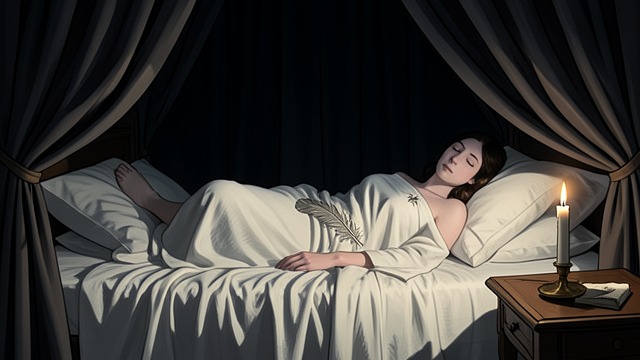
Poe repeatedly declares that the death of a beautiful woman is poetry’s highest theme. The claim expresses a Romantic ideal that turns death into a subject of artistic beauty.
The human cost
Landor resists the abstraction, especially after Lea dies. Poe’s later grief reveals the gap between a literary pronouncement and the lived suffering it attempts to frame.
The Acrostic Testimony
The Acrostic Testimony
Names hidden in lines
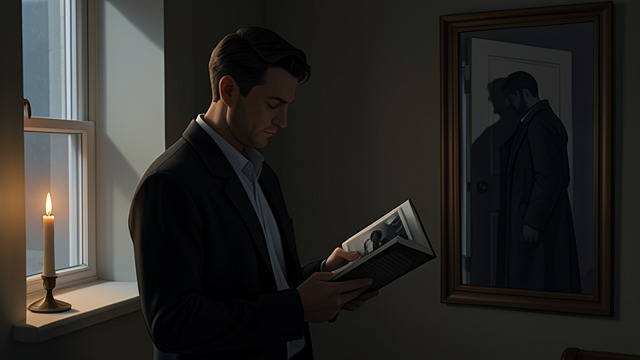
Poe notices that Mattie’s poem to him contains an acrostic, then applies the same attention to the Leonore poem. The verses supply names and a path back to Landor’s daughter.
A private message becomes public
Poetry functions as evidence because its formal choices preserve information that prose might not. The revelation changes Poe from Landor’s confidant into the person capable of accusing him.
The Poem That Remains
The Poem That Remains
A text outlives its makers
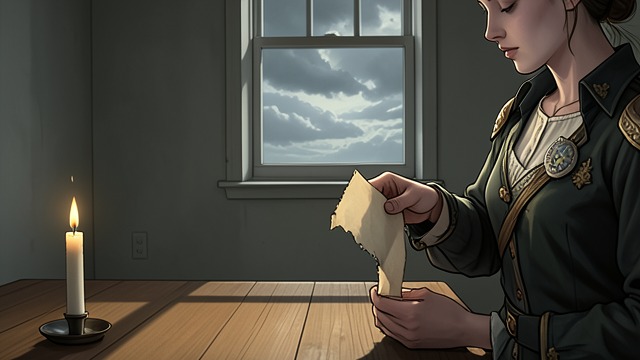
Landor keeps Mattie’s poem while composing his account of the crimes. Its meaning remains inseparable from the life and loss that produced it.
Art without resolution
The written work carries testimony but does not restore Mattie or settle Landor’s fate. Poetry preserves the dead imperfectly, leaving readers to interpret what the living could not say directly.
October 1830
October 28, 1830
November 1830
December 19, 1830
After December 1830
