
The Pale Horse as a Sign of Death
The Pale HorseThe old inn sign shifts from an intriguing local emblem to a symbolic image of death whose restoration closes the mystery without making the symbol supernatural.
increasing Bearing strength in each event
 decreasing
Bearing strength in each eventdecreasingA Name in Conversation
A Phrase Without a Place
An Unsettling Mention
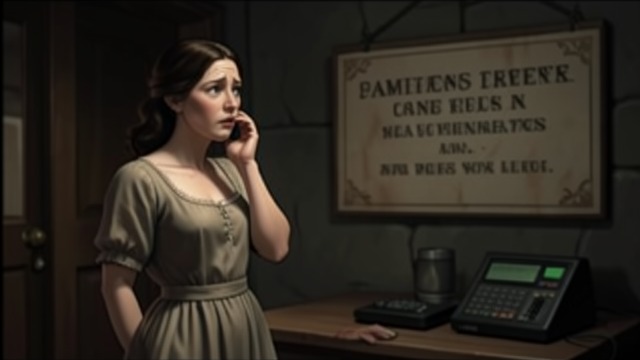
Pamela refers to the Pale Horse as a way of arranging a death, then retreats into embarrassment. Mark hears a phrase that sounds like a service but does not know whether it names a location.
The image carries a suggestion of biblical death before the story supplies its literal context. Its ambiguity draws the narrative toward Much Deeping.
The Former Inn
A Converted House
Local History Replaces Mystery
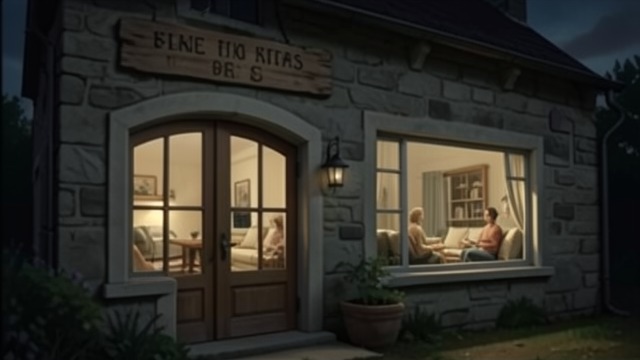
Mark finds a former inn now used as an ordinary residence by Thyrza, Sybil, and Bella. Its framed sign and old architecture initially disappoint his expectation of a sinister site.
The building seems harmless enough to weaken the symbolic dread, but the name remains attached to rumors about occult power. The contrast between house and reputation becomes part of the mystery.
A Hidden Rider
The Image Emerges
Cleaning Away the Surface
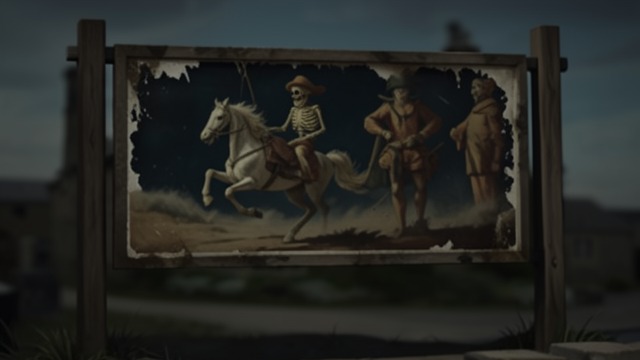
Ginger removes layers of grime from the old inn sign and reveals a rider whose figure is a grinning skeleton. Mrs Dane Calthrop identifies the image with Revelation’s pale horse and its rider Death.
The discovery gives the name a clear symbolic origin. What had seemed like a coded reference to a mysterious service is also an old image that the residents had simply preserved.
The Name as Cover
A Stalking Horse
Symbol and Distraction
Mark recognizes that the Pale Horse’s public mythology drew attention toward spirits, death wishes, and a mysterious machine. Behind that story, the actual method depended on thallium and access to ordinary products.
The inn’s name is therefore both emblem and misdirection. Its true force in the case lies in what people imagine when they hear it.
A Quiet Ending
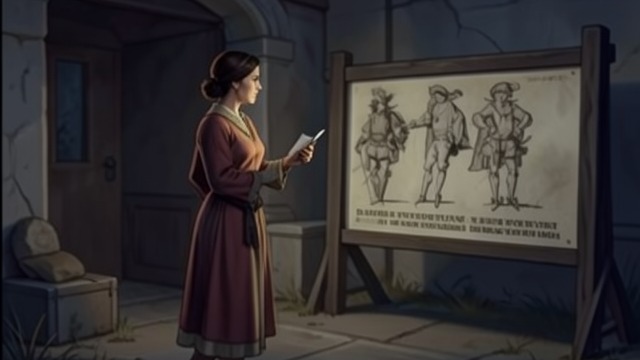
The Symbol Settled
Revelation and Ordinary Life
Mrs Dane Calthrop quotes the biblical verse as the restored rider becomes visible, then leaves for the Mothers’ Meeting. The grand image is followed by an entirely mundane obligation.
The ending neither erases death nor treats the sign as a source of power. It places the symbol in its proper role: a reminder of mortality, not an explanation for murder.
At the Fantasie after the Macbeth performance
During Mark’s first visit to Much Deeping
When Ginger examines the sign after the case
After the poison method is explained
Near the novel’s ending
