
The Limits of Medical Certainty
The Pale HorseThe novel contrasts confident medical labels with the possibility that a familiar diagnosis can conceal poisoning, while insisting that physical evidence ultimately matters.
increasing Bearing strength in each event
 decreasing
Bearing strength in each eventdecreasingThe Victims’ Diagnoses
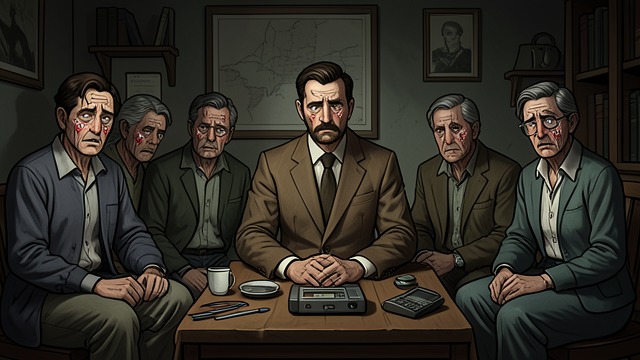
Many Ordinary Diseases
A Pattern Hidden by Variety
The deaths associated with the list are attributed to pneumonia, brain tumors, paralysis, and other recognized illnesses. Each diagnosis appears individually plausible, making the larger pattern easy to overlook.
The variety initially supports the idea that the deaths are unrelated. Only a shared symptom and a broader investigation can reveal a common cause beneath them.
A Doctor’s Reassurance
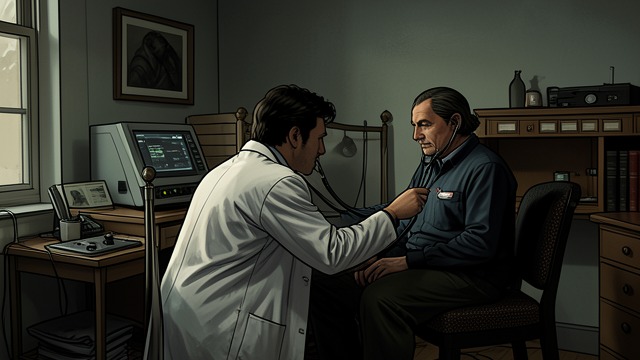
Influenza and Bronchopneumonia
A Reasonable Diagnosis
Ginger’s doctor identifies bronchopneumonia following influenza and notes that some patients do not respond to antibiotics. His explanation is medically ordinary and not deliberately deceptive.
The difficulty is that a correct description of symptoms does not identify their cause. The case shows how a plausible diagnosis can delay recognition of an unusual poison.
The Hair-Loss Clue
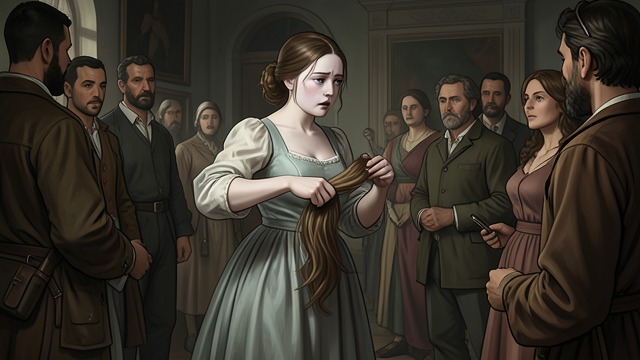
A Symptom Repeated
Diagnosis Reconsidered
Ariadne Oliver recalls that several women lost their hair in handfuls. Mark recognizes that this feature links cases otherwise labeled with unrelated diseases.
The symptom is not a supernatural sign but a distinctive consequence of poisoning. Its recurrence allows the investigators to revise the diagnoses and seek a chemical explanation.
Thallium Confirmed
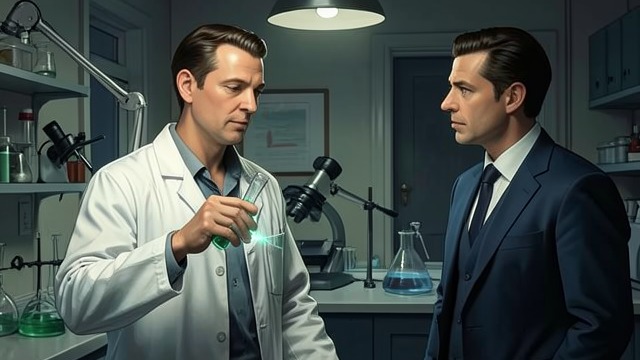
The Cause Becomes Testable
A Chemical Answer
Tests confirm thallium poisoning in Ginger’s case. The substance can produce varied symptoms and may be mistaken for other illnesses before hair loss makes the pattern clearer.
The finding replaces speculation with evidence that can be linked to access and administration. Medical uncertainty narrows into a concrete criminal investigation.
The Crime Beneath the Diagnosis
Natural-Looking Deaths Reinterpreted
An Illness Used as Cover
Lejeune explains that the victims’ diseases were not imaginary; they were the bodies’ responses to thallium. The poison made death appear to arise from ordinary causes while hiding the murderer’s role.
The distinction matters because the organization depended on doctors seeing a plausible illness, not on a fabricated symptom. The criminal method manipulated diagnosis through timing and lack of suspicion.
During the early review of the names
When Ginger is first examined
After Oliver recalls earlier illnesses
Immediately after the medical tests
During Lejeune’s account at Priors Court
