
The Many Faces of Authority
The Pale HorseThe story tests competing authorities—priest, police inspector, doctor, occultist, and witness—and shows why no title or confidence alone guarantees truth.
increasing Bearing strength in each event
 decreasing
Bearing strength in each eventdecreasingThe Priest’s Authority

Spiritual Trust
A Calling Used for Care
Father Gorman’s authority comes from his religious role and his experience comforting the dying. Davis trusts him enough to confess and warn him, and he responds with a promise rather than a demand for details.
His authority creates a moral bond, not a claim to solve the crime. The list he records becomes a practical extension of the trust she places in him.
The Occultist’s Certainty

Knowledge Claimed, Not Proved
Confidence as Persuasion
Thyrza speaks with certainty about death, psychology, and hidden forces. Her confidence makes Mark consider possibilities he would otherwise dismiss, even though she supplies no verifiable mechanism.
The narrative distinguishes persuasive authority from reliable knowledge. Her most convincing claims direct attention away from the actual means of killing.
The Witness’s Certainty
Memory Under Pressure
Confidence Can Mislead
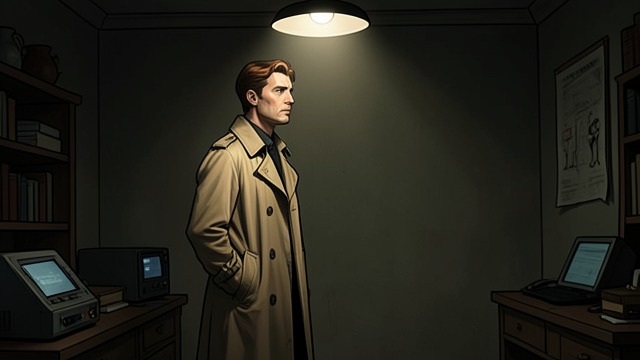
Osborne repeatedly insists that he recognizes Venables, presenting himself as an expert observer of faces. His certainty seems valuable until it conflicts with the medical evidence.
The discrepancy prompts Lejeune to question the witness rather than accept his self-description. Authority based on confidence can conceal vanity or deliberate deceit.
The Doctor’s Diagnosis
Expertise and Its Limits
A Plausible Account
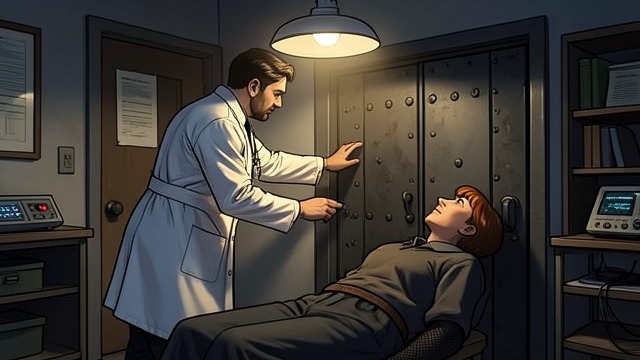
Ginger’s doctor diagnoses influenza and bronchopneumonia, a conclusion consistent with her symptoms. He does not know that someone has administered thallium, so his confidence cannot reach beyond the information available to him.
The story does not portray ordinary medicine as foolish. It shows that expertise can be limited when a hidden cause has not been suspected or tested.
Lejeune’s Restraint
Authority Tested by Evidence
The Case Made Public
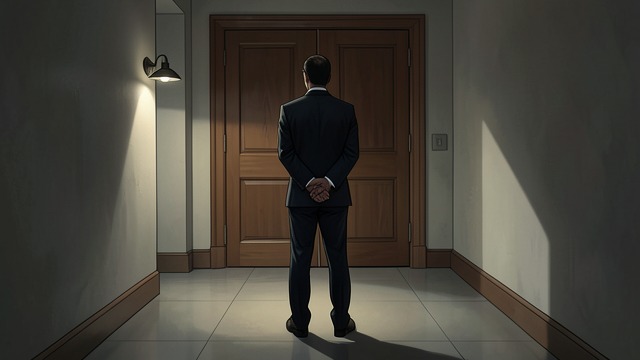
Lejeune avoids arresting people merely because they sound suspicious. He waits for a connection among the deaths, the poison, the survey method, and Osborne’s false account.
His restraint gives force to the final confrontation. The novel places reliable authority not in status or certainty, but in the willingness to test claims against evidence.
At Jessie Davis’s bedside
During Thyrza’s first private explanation
After Osborne identifies Venables
During Ginger’s first days in the nursing home
At the final confrontation with Osborne
