
The Price of Looking Away
The Pale HorseThe story traces how partial knowledge and convenient indifference allow a murderous system to operate before a dying worker chooses to speak.
increasing Bearing strength in each event
 decreasing
Bearing strength in each eventdecreasingA Job That Seems Harmless
Lawful Tasks, Uneasy Purpose
Compartmentalized Doubt
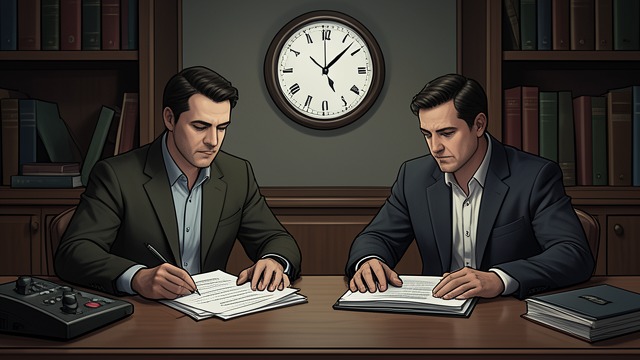
Davis and Brandon ask ordinary questions for C.R.C. and are not instructed to commit any overt crime. The work pays well, but its disorganized structure makes Brandon suspect an ulterior purpose.
The operation benefits from workers who can continue with their assigned task without knowing its final use. Uncertainty gives each person a reason to avoid asking further questions.
Davis’s Choice to Continue
Doubt Held at a Distance
The Convenient Explanation
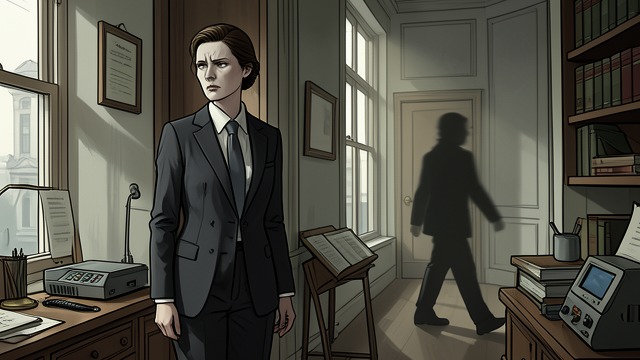
Davis tells Brandon that the strange deaths do not affect the workers directly and that the money is good. She recognizes enough to feel uneasy but not enough to make a clear accusation.
Her position reflects the danger of partial knowledge: the evidence is disturbing, yet the business remains easy to rationalize as someone else’s concern.
Brandon Leaves

A Refusal to Ignore Unease
The Cost of Withdrawal
Brandon leaves C.R.C. because she cannot accept the unexplained purpose behind its questions. She still cannot prove that the firm is criminal or describe what it is helping to do.
Her choice limits the information she can provide, but it later gives Lejeune an independent account of the organization’s cover. She acts on suspicion even without certainty.
Davis Tries to Speak
The Silence Breaks
Warning Before Death
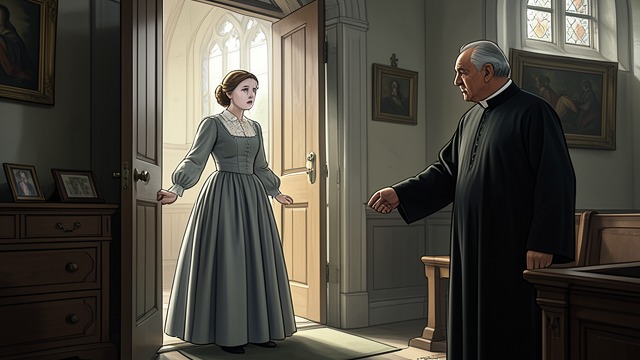
Davis asks for Father Gorman and tells him that wickedness must be stopped. Her earlier reluctance to challenge the business ends when she believes death is near and time is short.
The decision comes too late to save her, but it supplies the list that keeps the police inquiry alive. Her final action directly challenges the system’s dependence on silence.
The Cost of Partial Knowledge
Responsibility Clarified
A System Exposed
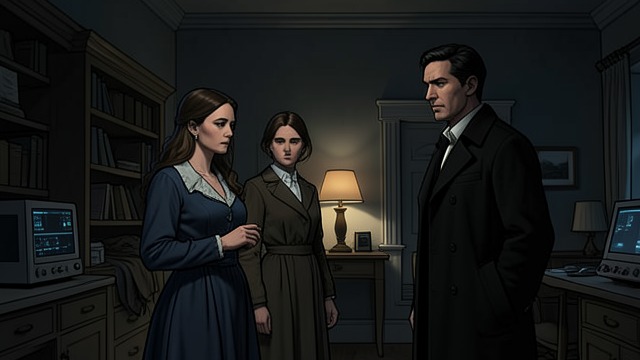
Brandon’s testimony helps Lejeune understand that the surveys gather information about people’s habits. Davis’s recollections reveal the link between visits, deaths, and the Pale Horse.
Neither woman knew the entire method, but their different responses matter: one left, the other eventually warned the priest. The investigation shows that noticing danger creates a choice even when certainty is unavailable.
During Davis and Brandon’s consumer-research work
After Davis notices deaths among her survey subjects
After Brandon decides the firm is not what it seems
On October 7, during her final illness
After Lejeune interviews Brandon
