
Osborne and the Meaning of Money
The Pale HorseOsborne’s crimes reveal a miser’s desire to possess wealth and power without using either to build a satisfying life.
increasing Bearing strength in each event
 decreasing
Bearing strength in each eventdecreasingA Good Price for the Shop
Retirement as Acquisition
The Chemist Sells Up
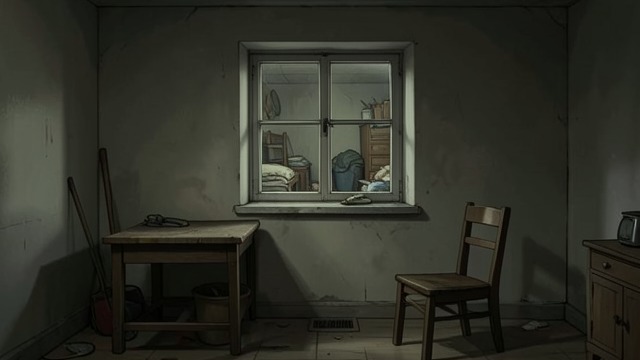
Osborne secures a good price for his long-established pharmacy and buys a small bungalow. He speaks about hobbies and travel, but his new home is sparsely furnished and stocked with inexpensive purchases.
The contrast suggests that he values the fact of possessing money more than the pleasures money can provide. Retirement does not satisfy the desire that drove him from the shop.
Money as a Criminal Prize
Wealth Without Visible Luxury
The Fee System
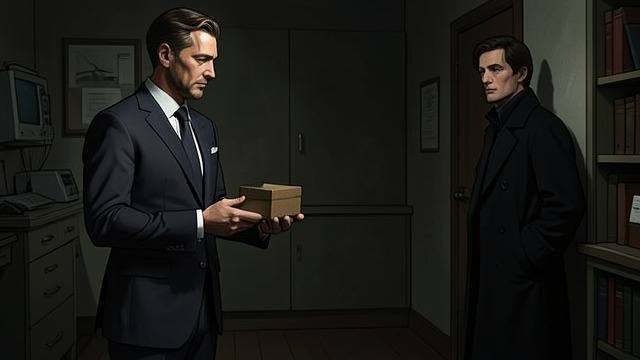
Osborne takes money for arranging deaths, while Bradley’s betting scheme provides a respectable-looking financial channel. The operation’s profits help Osborne acquire a sense of power without requiring conspicuous consumption.
His wealth is not shown through a lavish personal life. That restraint helps conceal the scale and purpose of his earnings.
The Miser’s Bungalow
Possession Without Pleasure
Lejeune’s Interpretation
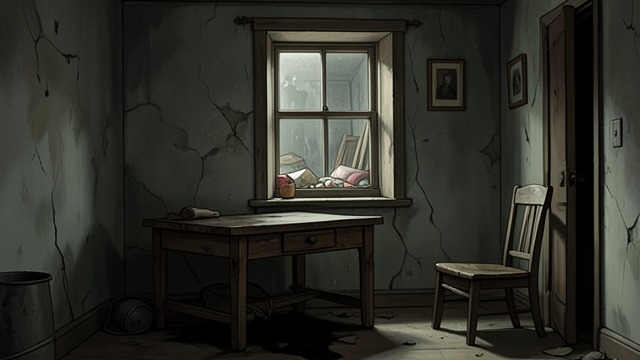
Lejeune believes the missing money may be hidden beneath Osborne’s bungalow. The house’s cheap furnishings suggest that Osborne accumulated money rather than spending it on comfort or status.
The interpretation recasts the criminal enterprise as a hoarding project. Money matters to Osborne as proof of control and as a private treasure, not as a route to a fuller life.
Power Beyond Profit
Murder as Self-Inflation
Feeling Like God
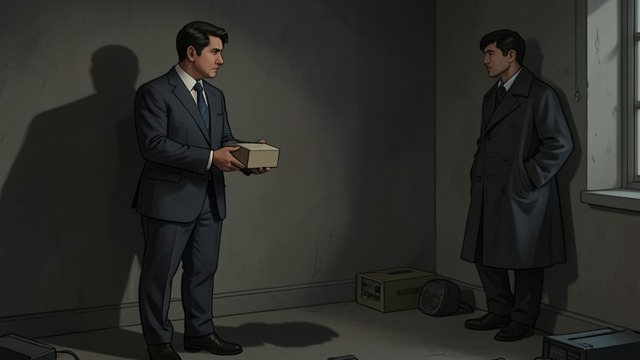
Lejeune argues that repeated success made Osborne feel larger than life and as if he controlled death. The financial motive alone cannot explain why he continued to expose himself through lies and boasts.
The murders offered an emotional reward: the feeling of importance he had missed in ordinary life. That reward does not excuse the crimes but explains their compulsive quality.
A Poor Use of Cleverness
Wealth Without Meaning
The Final Irony
Osborne is clever enough to build a complex, concealed system but foolish enough to seek recognition and preserve a false identification. His money cannot prevent the vanity that brings him down.
The novel rejects wealth and intelligence as measures of greatness. What remains is the moral smallness of using skill to take human lives and the emptiness of power pursued only for possession.
When Osborne retires to Bournemouth
During Lejeune’s reconstruction of the operation
After the Priors Court confrontation
During Lejeune’s conversation with Mark
After Osborne’s arrest
