
The Safety Rule and Its Failure
The Pale HorseBradley’s rule that clients stay away from their victims protects the service from obvious suspicion, but Mark’s staged compliance reveals its limits.
increasing Bearing strength in each event
 decreasing
Bearing strength in each eventdecreasingA Promise of Safety
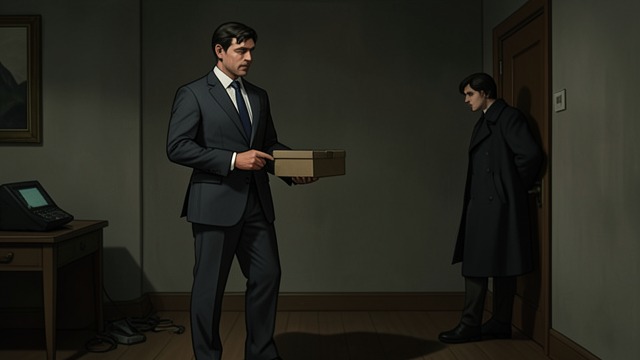
Distance as Reassurance
The Client Is Protected
Bradley assures Mark that clients remain safe if they obey instructions. He presents distance from the victim as a sensible precaution, speaking as if he were advising a customer on travel.
The rule helps sell the service by separating a client’s desire from the victim’s illness. It also reduces the chance that ordinary investigators will find contact between them.
The Instructions Take Shape

Leave Town Afterward
An Alibi by Routine
Bradley tells Mark to visit the supposed wife, take an unobtrusive personal item, attend the séance, and then stay away from London. Bournemouth is acceptable, provided that Mark lives an ordinary, visible life.
The directions show how carefully the organization manages appearances. A client’s routine after the ritual becomes part of the protection around the killing.
The Police Know the Rule
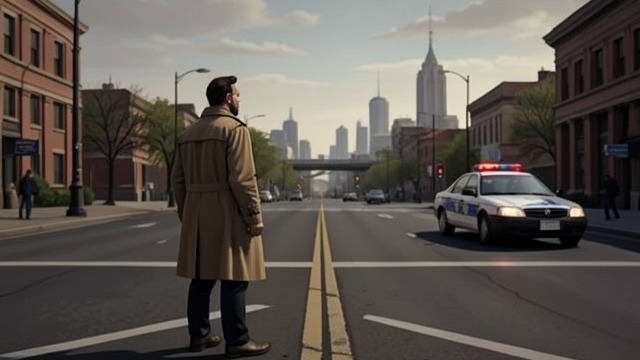
Distance Hinders Prosecution
A Weak Evidentiary Link
Mark explains that Bradley’s clients are told to remain away from their targets. Lejeune recognizes that the rule helps ensure no obvious connection exists when a victim becomes ill.
The clients’ absence is not proof of innocence or guilt. It is a deliberate design feature that leaves police with a gap between motive and physical administration.
The Client Becomes a Witness
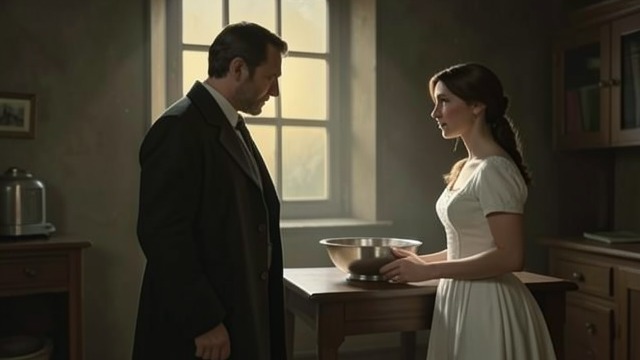
A Rule Turned Inside Out
Mark Remains Present
Mark’s supposed client attends the ritual in person, while Ginger plays the victim under a false identity. Their plan is to observe the process rather than follow Bradley’s instructions to leave town.
The breach gives the investigators access to the operation’s theater, but it does not reveal the poison mechanism immediately. It also creates the danger that the organization’s usual protections were meant to avoid.
No Safety in Distance
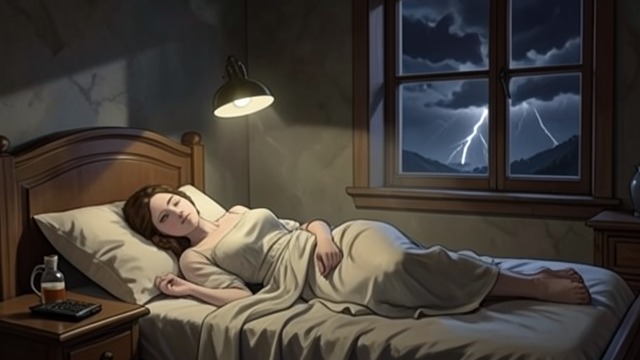
The Rule Cannot Protect Its Target
The Human Cost
Ginger becomes ill after the séance despite Mark’s belief that the ritual may be meaningless. The supposed safety of the system belongs to the client, not to the person whose household product is replaced.
The distinction exposes the organization’s moral structure: protection is purchased for the person who commissions harm, while the victim receives no warning. Ginger’s case turns that asymmetry into an immediate crisis.
During Mark’s first discussion with Bradley
During Mark’s second visit to Bradley
During Mark’s debriefing with Lejeune
During Mark’s stay at the Pale Horse
When Ginger’s symptoms appear
