
The Debate Over Rationality
The Pale HorseCharacters disagree about what can be known, moving between skepticism and openness until investigation separates impossible claims from real but hidden causes.
increasing Bearing strength in each event
 decreasing
Bearing strength in each eventdecreasingMark’s Rational Habit
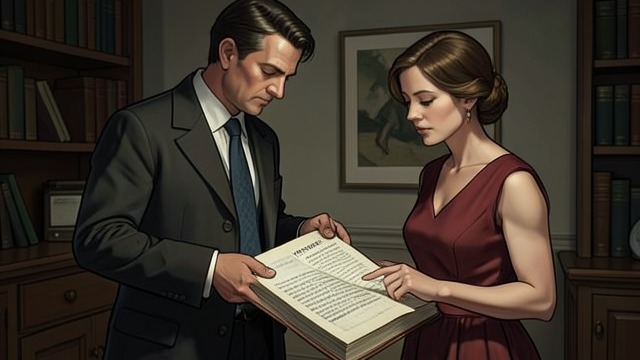
Suggestion as an Explanation
A Skeptical Starting Point
Mark explains that a death prediction might work through suggestion: the victim believes the threat, and the mind affects the body. He treats the explanation as sufficient for alleged cases of remote death.
His position is sensible but not complete. The novel will test whether rational confidence can distinguish a genuine physical cause from a persuasive story.
Hermia’s Dismissal
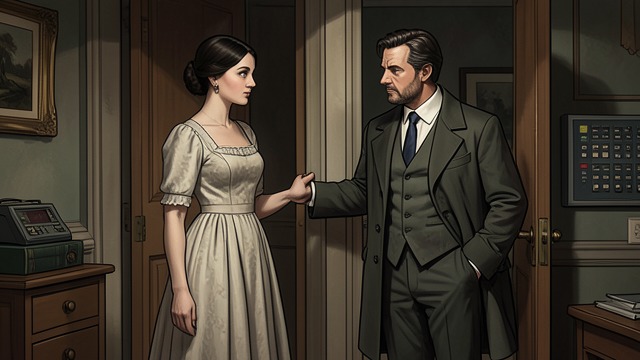
Folklore as Entertainment
The Skeptic’s Ease
Hermia treats the rural occult scene as amusing survivals of old superstition and sees Mark as carried away by his imagination. She is not convinced that the women can be dangerous.
Her skepticism protects against gullibility, but its dismissive tone leaves Mark without help. The disagreement is both intellectual and personal.
Corrigan’s Ridicule
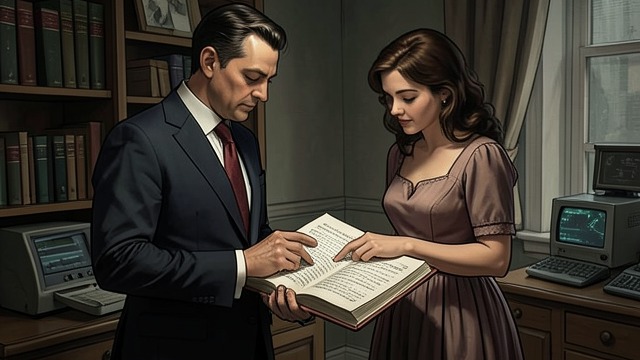
Science Rejects the Claim
Poppycock and Possibility
Corrigan calls Thyrza’s account nonsense but admits that psychology and the unconscious are not entirely fictional subjects. He refuses to grant her claim a scientific basis.
His response reinforces Mark’s doubts without settling the question of how people may affect one another. Rational disagreement becomes an obstacle Mark must navigate rather than a final answer.
Lejeune’s Open Question
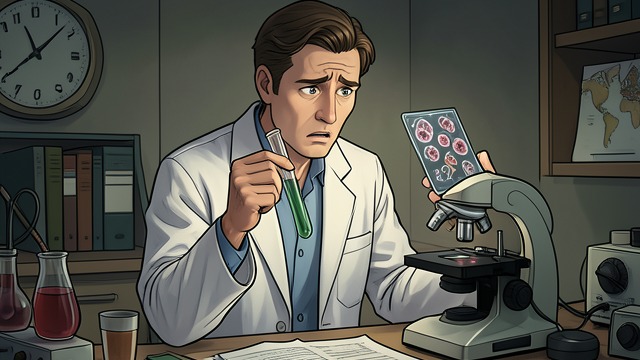
Official Doubt, Private Openness
New Science and Old Limits
Lejeune says that a sane person would call remote killing impossible, yet he notes how once-impossible technologies became ordinary. He will not endorse Thyrza’s claim but refuses to rule out every unknown mechanism.
His openness allows the police to investigate without committing to occult explanations. It is a method of inquiry, not a belief.
Evidence Settles the Question

The Cause Is Neither Magic nor Suggestion
The Chemical Answer
Thallium tests establish that Ginger’s disease has a material cause. The Pale Horse’s rituals may have shaped fear, but they did not create the poison’s physical effects.
The story resolves the debate by investigation rather than by declaring every unknown impossible. Skepticism is vindicated when it remains open to evidence and capable of revision.
During Oliver’s first question about black magic
During Mark’s dinner with Hermia
During Mark’s first detailed account of Thyrza
During Mark’s presentation to the police
After Ginger’s poisoning is verified
