Bournemouth
The Pale HorseBournemouth serves as a recurring point of connection between Zachariah Osborne’s respectable public life and the concealed murder business he helps operate. Its gas-station café becomes the place where he explains himself to Mark Easterbrook, while Osborne’s bungalow there offers a revealing clue to the vanity behind his criminal identity.
Setting and Encounters
After leaving Priors Court, Osborne tells Mark Easterbrook that he is taking the bus back to Bournemouth. The two walk together toward the bus stop and stop at a small café beside the gas station, where Osborne orders coffee and biscuits before unburdening himself. The mundane stop turns a journey into a confession: Osborne’s unease at being in a false position gives way to a carefully staged account of his conduct.
Osborne’s Bournemouth Life
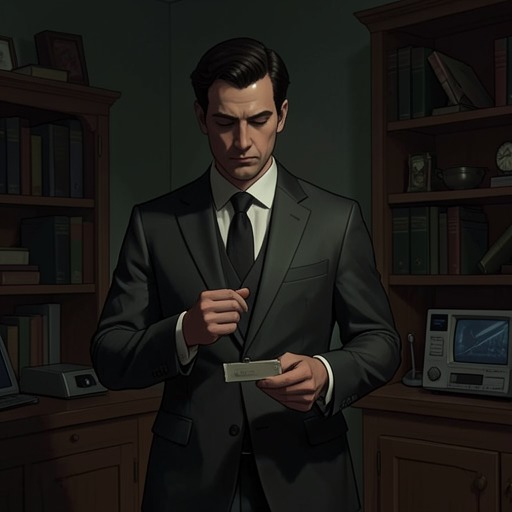
Osborne presents Bournemouth as a comfortable home town, chatting about its climate, concerts, amenities, and residents before explaining his behaviour. He also keeps a bungalow there named Everest, with a picture of Mount Everest hanging in its hall. The name is a private joke on “ever rest,” a pointed allusion to the paid killings that are his profession. The domestic setting and the wordplay make his double life legible without disturbing its outward respectability.
A Clue and Its Significance
Bournemouth also figures in Osborne’s earlier misidentification of Mr Venables. Osborne had seen Venables sitting in a car there and remembered his distinctive appearance, but had not recognized that he was paralyzed. Later, Osborne’s insistence that he had seen Father Gorman’s follower reveals his vanity and helps undermine his attempt to direct suspicion toward Mr Venables. The city thus links the false accusation to the evidence that exposes Osborne: the same place that supplies his respectable cover preserves the mistaken observation on which his boast depends.