
The Revolution’s Terror and Its Afterlife
The Parallax ViewThis thread traces how revolutionary freedom becomes terror, then survives as a demand within the order that succeeds it.
increasing Bearing strength in each event
 decreasing
Bearing strength in each eventdecreasingUniversal Freedom Breaks In
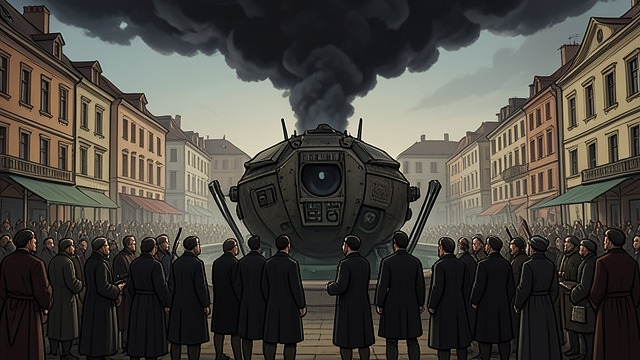
A New Political Claim
Freedom without inherited rank
The Revolution asserts universal freedom against established social distinctions. Its negation of the old order is experienced as an unprecedented opening.
The problem of institution
The new universal claim still needs a social form. Its inability to settle that question helps generate escalating conflict.
Terror Makes Abstraction Visible
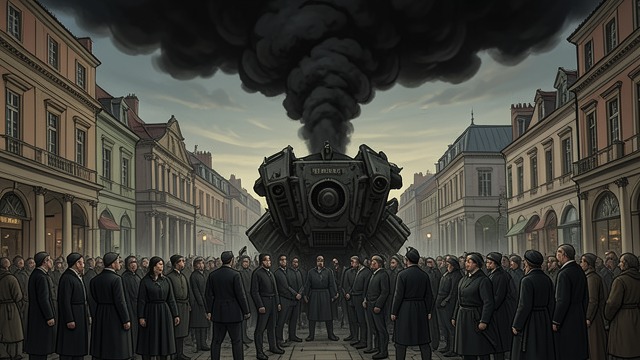
Freedom Turns Destructive
Every limit becomes suspect
Abstract freedom attacks particular institutions and identities in the name of universal equality. Political violence becomes the direct expression of a universal that cannot tolerate mediation.
No simple condemnation
The book rejects the easy claim that terror was merely an accidental excess. Its passage is presented as a historical impasse that later freedom must traverse.
The German Moral Counterpart
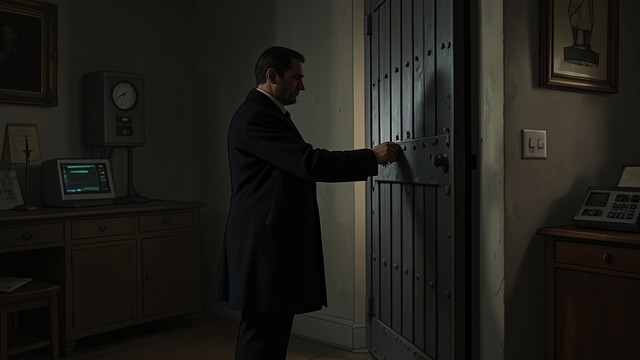
Violence Returns as Morality
A different form of the same force
The purity of moral duty can reproduce the destructive abstraction of revolutionary virtue. Ethical intention alone does not guarantee humane results.
The revolution is reflected inward
The book connects political terror with a moral subjectivity that cannot tolerate compromise or contingency. The antagonism changes location rather than disappearing.
Thermidor and the New Order
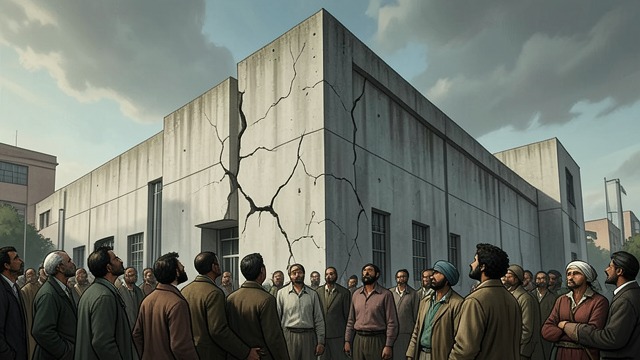
The Postrevolutionary State
Energy seeks a form
The new order tries to stabilize the social world after revolutionary disruption. This stabilization can preserve freedom, but also bury the revolution’s unfinished demands.
A disputed interpretation
Whether the new state fulfills or betrays the Revolution remains an open political question. The book resists treating the outcome as inevitable progress.
A Future Haunted by Possibility
The Past Is Not Closed
Lost possibilities persist
The revolution’s betrayed emancipatory possibilities continue to haunt later politics. History is not simply the record of what actually happened.
Repetition as redemption
A future movement may reactivate what was lost without copying the past. This gives political memory an unfinished, prospective force.
French Revolution’s radical phase, 1793
During the Reign of Terror
After the Terror, in retrospective philosophical interpretation
After the revolutionary emergency
The book’s retrospective historical argument
