
The Parallax Gap Becomes a Materialist Method
The Parallax ViewThis thread follows the book’s argument that incompatible perspectives disclose a real gap rather than a neutral object awaiting synthesis.
increasing Bearing strength in each event
 decreasing
Bearing strength in each eventdecreasingImpossible Anecdotes

A Jolt Between Levels
The opening cases
Two startling reports connect modern art with torture and political murder. Their force comes from forcing domains normally kept apart into the same frame.
From shock to method
The point is not to verify every anecdote but to notice the impossible connection they stage. The book turns that disorientation into a method for reading.
No Neutral Viewpoint

Perspectives That Do Not Merge
The Kantian problem
The account rejects the idea that observers simply see one complete object from different angles. A shift of perspective also changes how the object exists for them.
The materialist consequence
Reality includes the observer’s blind spot. The gap is not a private mistake to correct but part of the scene being understood.
The Gap Within the One
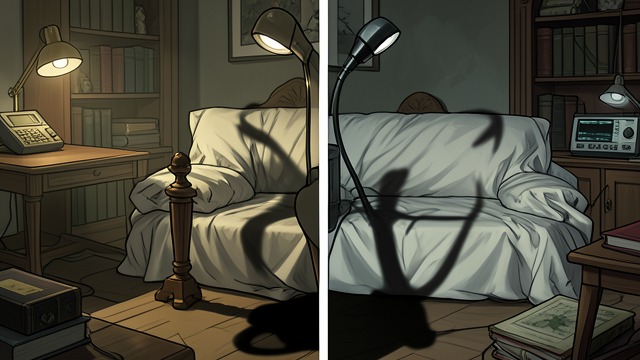
Difference Without Two Things
Against polarity
The book distinguishes an internal split from a balanced opposition such as yin and yang. The decisive difference divides a thing from itself.
A dialectical wager
This minimal noncoincidence generates apparently opposed positions. Their conflict is therefore not solved by choosing one side or combining both into a smooth whole.
Three Parallax Fields
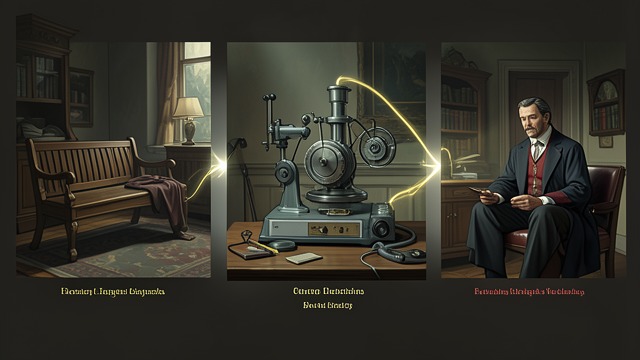
Philosophy Science Politics
Three sites of division
The argument organizes its examples around ontology, scientific accounts of consciousness, and political antagonism. Each field presents a gap that cannot be translated into a common measure.
A shared task
The book asks how such gaps can be thought materially. It resists both reduction to one level and an appeal to a transcendent realm beyond them.
The Book’s Recurring Operation
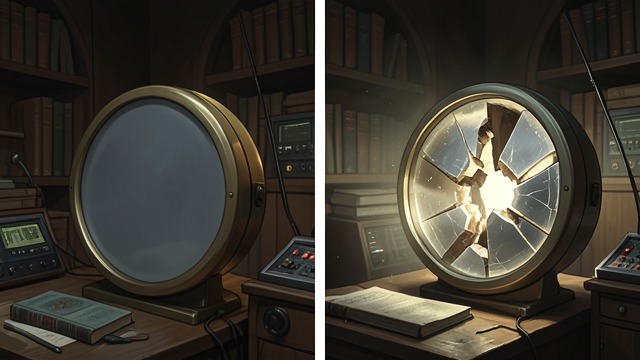
The Parallax as a Reading Practice
Reframing the object
Across philosophy, science, literature, and politics, the same object is examined from incompatible positions. Their mismatch makes its hidden organizing conflict legible.
No final synthesis
The method does not promise a view from nowhere. It ends by treating the gap itself as the material truth that criticism must preserve.
Opening pages
After the opening anecdotes
Early in the introduction
Middle of the introduction
At the transition into the final part
