
The Arab Other and the European Gaze
The Parallax ViewThis thread traces how the book reverses claims of Western tolerance by locating European violence and exclusion in the image of its Others.
increasing Bearing strength in each event
 decreasing
Bearing strength in each eventdecreasingA Historical Contrast
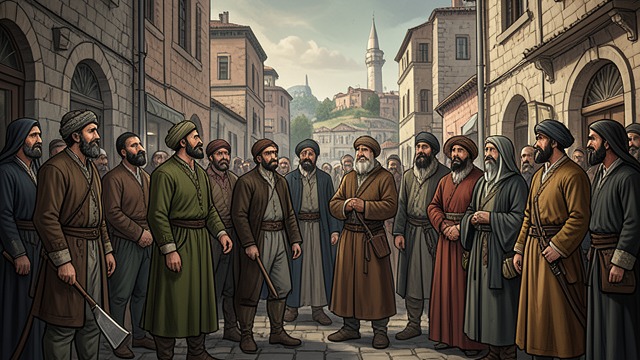
Tolerance Seen From Outside
Travelers describe coexistence
Early European visitors describe religious communities living together in Ottoman cities. Their reports complicate the later image of the East as inherently intolerant.
The gaze is not neutral
What Europe admires or condemns depends on its own political history. The book uses travel writing to unsettle familiar civilizational rankings.
The Balkans Become a Problem
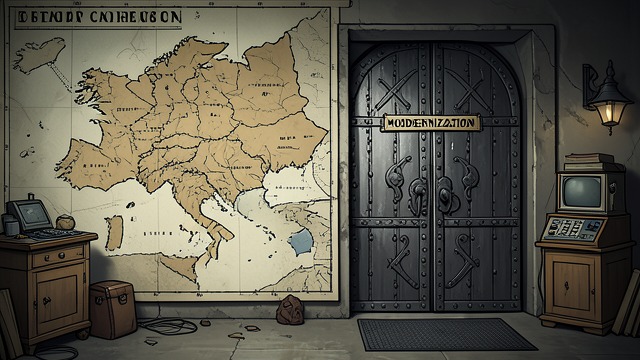
A Region Is Renamed
Modernity supplies a new image
The Balkans acquire the familiar associations of ethnic violence and historical grievance as they become more exposed to European modernization.
Projection reverses direction
The region’s supposed backwardness reflects European histories and political interventions. The observer’s diagnosis becomes evidence about the observer.
Nationalism Recasts Difference
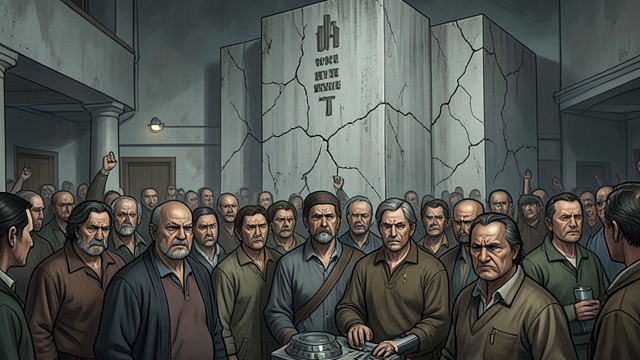
From Coexistence to Rivalry
Political identities harden
The national-state form encourages conflicts to be narrated as ancient ethnic hatreds. Earlier forms of coexistence are recast as exceptions or degeneracy.
Historical memory is mobilized
The book rejects a simple appeal to “ancient passions.” Modern political arrangements help produce the antagonisms they claim merely to inherit.
The European Crisis in Yugoslavia

History Explains and Obscures
An easy narrative returns
Western commentary invokes centuries of Balkan history to explain the conflict. This can make current political decisions look like an inevitable eruption of inherited violence.
A political screen
The book argues that historical explanation may obscure contemporary stakes. The invoked past becomes an ideological screen rather than a sufficient cause.
The Other Mirrors Europe
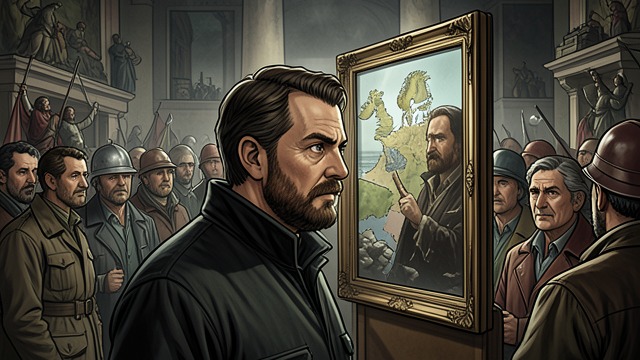
The Stranger Within
Otherness returns to its source
The Balkan image lets Europe project its own repressed conflicts onto an external region. The familiar Other is not outside European history.
A critical reversal
The account refuses to identify a pure European tolerance opposed to foreign barbarism. Each side’s image of the other carries traces of itself.
Before nineteenth-century European modernization
Mid-nineteenth century
Late nineteenth and early twentieth centuries
Early 1990s
Chapter 6, retrospective conclusion
