
The Politics of Human Rights and Bare Life
The Parallax ViewThis thread traces how universal rights can become both a tool of political subjectivization and a pretext for depoliticized intervention.
increasing Bearing strength in each event
 decreasing
Bearing strength in each eventdecreasingRights Beyond Citizenship
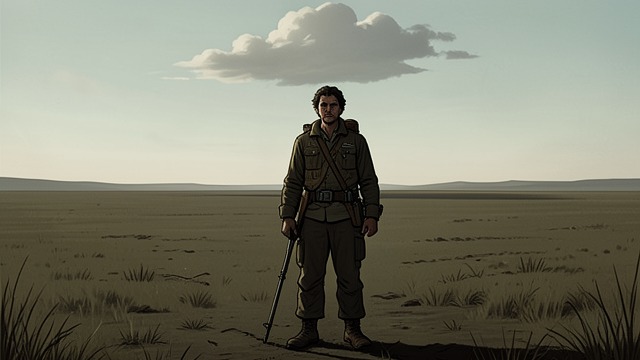
A Universal Promise
Rights belong to people as people
Human rights claim to precede nationality and political membership. Their universal form appears to protect anyone from exclusion.
The limit appears in practice
People stripped of citizenship may be least able to exercise those rights. The abstract universal can fail precisely where it is most needed.
The Refugee’s Paradox
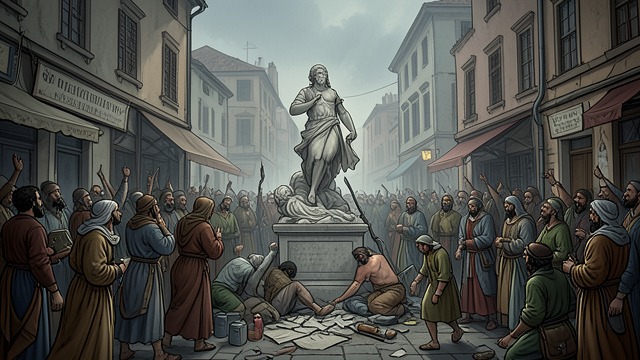
Humanity Without a Political Place
Rights lose their bearer
The refugee is reduced to a human being without the relationships that make rights effective. Universal humanity becomes a name for political abandonment.
The excluded expose the system
The crisis reveals that rights depend on political forms even when they claim independence from them. The “human as such” is not a secure foundation.
Humanitarian Intervention
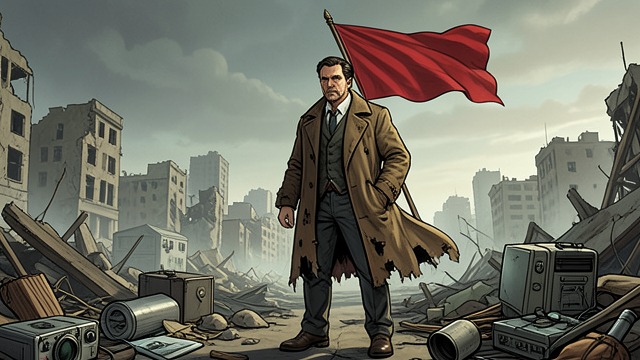
Aid Replaces Politics
A conflict is reframed
The suffering of Sarajevo is presented as a humanitarian emergency. This framing can disqualify debate about the political choices sustaining the conflict.
Compassion has a direction
The language of saving victims may conceal which political outcome an intervention supports. Humanitarian action is never automatically outside politics.
Rights Return to Their Senders
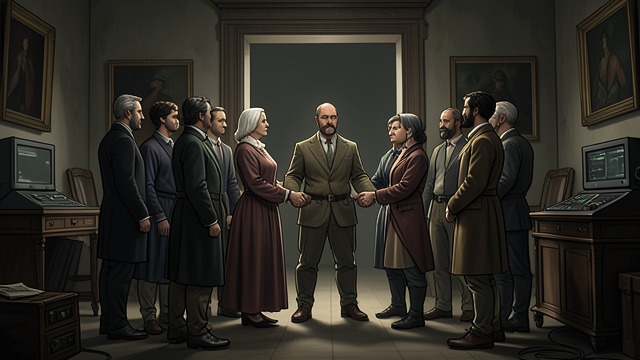
The Rights of the Rightless
A delegated defense
When victims cannot enact their rights, powerful states claim to do so on their behalf. The rights of the excluded return as a warrant for intervention.
The paradox of representation
The intervention may restore rights, or deny the victims political agency. The book keeps this tension visible rather than resolving it morally.
Politics Returns to the Universal
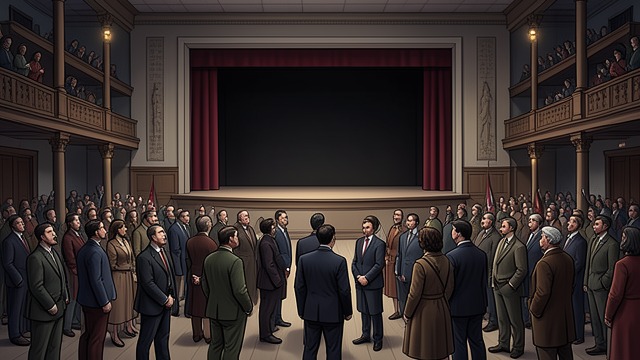
A Space of Dissensus
Rights can open politics
Universal rights matter when excluded people use them to challenge their assigned place. They are not merely natural possessions or empty ideological tokens.
A contested universality
Their force emerges through political struggle over who counts and who speaks. The universal becomes a site of conflict rather than a settled moral consensus.
Chapter 6, opening discussion of rights
Twentieth-century history of statelessness
During the siege of Sarajevo
Chapter 6, Rancière discussion
Chapter 6, concluding rights argument
