
Political Theology and the Suffering God
The Parallax ViewThis thread traces the argument that the divine is split by suffering and that incarnation turns transcendence into an immanent political problem.
increasing Bearing strength in each event
 decreasing
Bearing strength in each eventdecreasingThe Problem of Evil
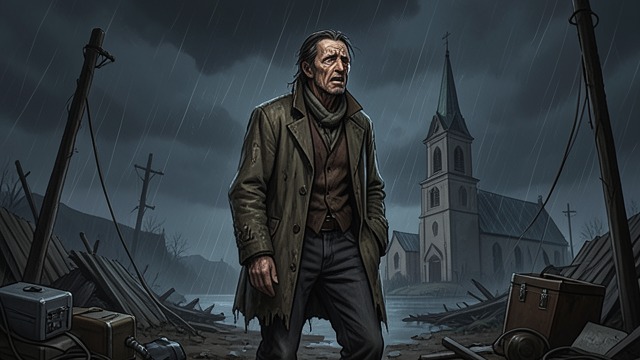
God and Catastrophe
An impossible reconciliation
The suffering of innocents challenges the image of an omnipotent, benevolent God. Traditional explanations either blame victims, turn suffering into a test, or retreat into mystery.
Sovereignty begins to fracture
The book asks whether preserving God’s absolute power already makes God responsible for horror. The theological problem becomes an ontological one.
The Suffering God
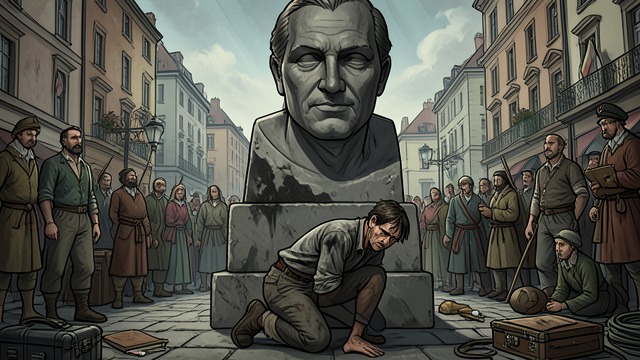
God Enters History
From distant ruler to participant
A suffering God is not a master who secretly controls events from above. Divine suffering means that history affects the absolute itself.
Political consequence
Human struggles are not merely shadows in a predetermined plan. The fate of the absolute becomes bound to historical conflict.
Incarnation as Comedy
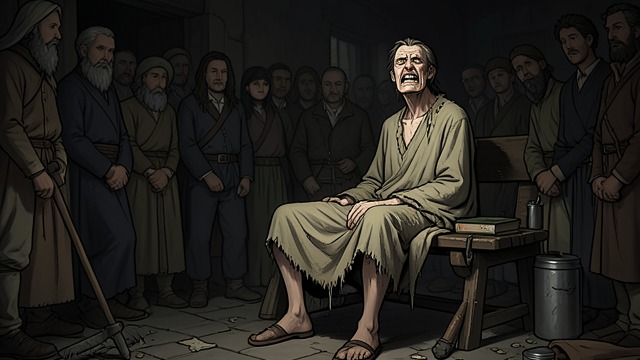
The Highest Meets the Lowest
A scandalous embodiment
Incarnation makes the creator appear as a vulnerable human being. The book reads this not as solemn elevation but as a comic collapse of expected dignity.
The gap relocates
The difference between God and humanity is not erased. It appears inside the divine figure, especially in the cry of abandonment.
Judas and the Revelation
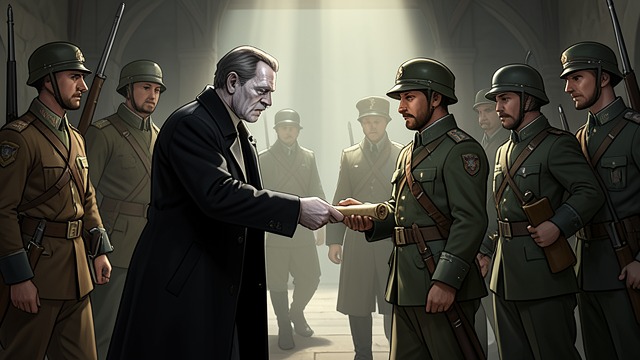
Betrayal Makes the Event Visible
Delivery to the law
Judas’s act both transmits and betrays Christ, exposing him to the legal order. The narrative distinguishes this event from a simple death followed by symbolic survival.
A new relation appears
The betrayal helps reveal Christ’s singular identity through death. The community of believers emerges from the rupture rather than from an unchanged harmony.
The Cross and God’s Absence
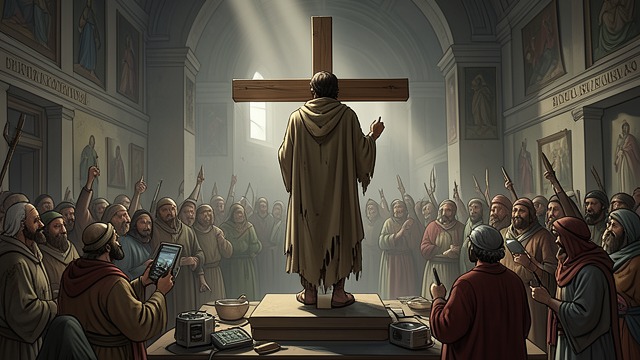
God Does Not Rescue Himself
A divided divine relation
On the cross, Christ’s cry of abandonment places division within God. The apparent distance from the Father becomes a bond formed through shared suffering.
A materialist theology
The book’s strongest theological claim is that the absolute is not fully itself. Its fracture makes room for human action and historical change.
Chapter 3, opening theological discussion
Chapter 3, after the competing theodicies
Chapter 2, discussion of Christian comedy
Chapter 2, discussion of betrayal
Chapter 3, discussion of the crucifixion
