
The State’s Obscene Supplement
The Parallax ViewThis thread traces how public law depends on an unspoken surplus of force that can contradict its official principles.
increasing Bearing strength in each event
 decreasing
Bearing strength in each eventdecreasingThe Law’s Hidden Place
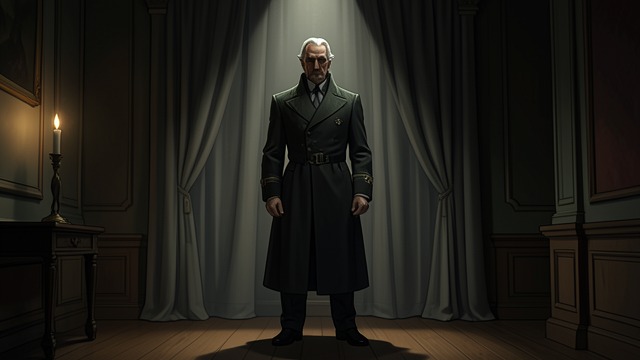
Authority and Its Representatives
The Law cannot be directly reached
The subject encounters guardians, procedures, and institutions rather than a transparent source of law. Its authority depends on a place that remains inaccessible.
Absence is active
The Law’s lack of a final foundation does not make it ineffective. The void itself organizes behavior and expectation.
The Institution Performs Itself
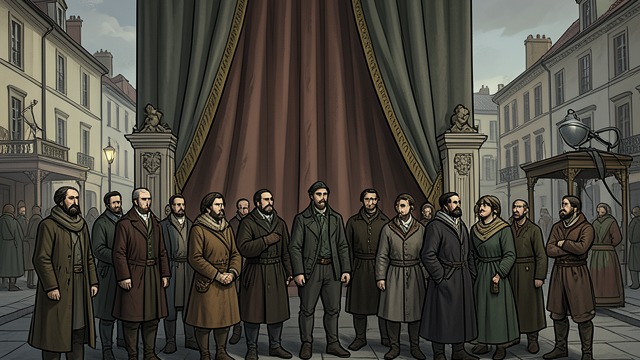
Public Acts Make Authority Real
Ritual without private conviction
A ceremony can bind participants even when they are bored or cynical. Its force lies in the public act, not in everyone’s inner belief.
Meaning is enacted
Institutions do not merely express a prior substance. Their repeated practices help create the social reality they appear only to represent.
Power Exceeds Its Mandate

The Obscene Double
Law and threat coexist
Public power claims to serve and protect its subjects. Its obscene underside insists that it can suspend rules and act without restraint.
The exception sustains authority
The excess is not an accidental corruption added from outside. The book argues that sovereignty relies on the possibility of its own exception.
The Enemy Justifies Emergency
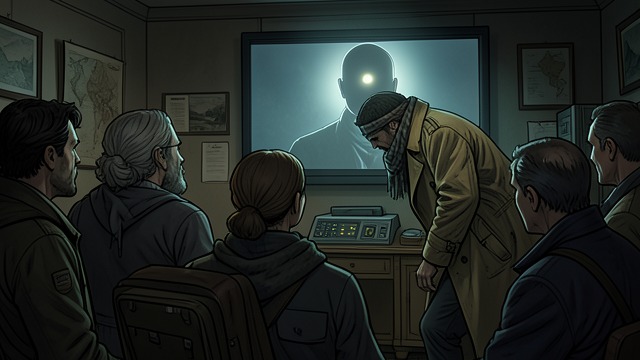
A Threat Without a Fixed Center
Fear authorizes action
An invisible enemy makes permanent vigilance appear necessary. The absence of a clear target permits exceptional measures to proliferate.
Protection becomes dangerous
Power presents its expansion as self-defense. The book asks whether the protective response becomes a threat to the order it claims to preserve.
Untying the Knot
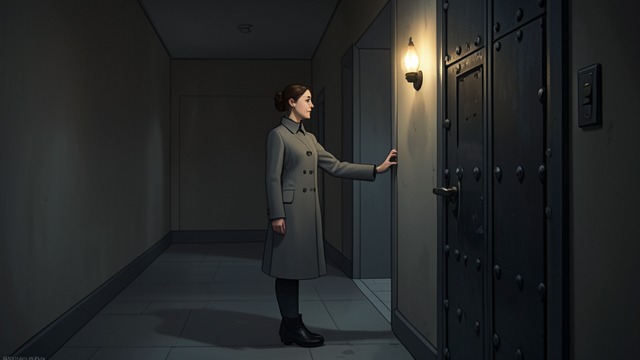
Separation Rather Than Purification
No clean public order
Removing every obscene supplement would not produce a neutral law. The hidden excess is built into how authority functions.
A political task remains
The book asks how to separate the law from its violent underside without pretending that power can vanish. The question is structural, not merely moral.
Chapter 1, Kafka and legal authority
Chapter 2, discussion of ritual and institutions
Chapter 5, discussion of sovereignty
Chapter 6, War on Terror discussion
Chapter 6, final political argument
