
The School and the Language of Power
The PeasantsThis thread follows the attempted school levy, the villagers’ resistance, and the larger struggle over who controls education and public speech.
increasing Bearing strength in each event
 decreasing
Bearing strength in each eventdecreasingA School Is Proposed
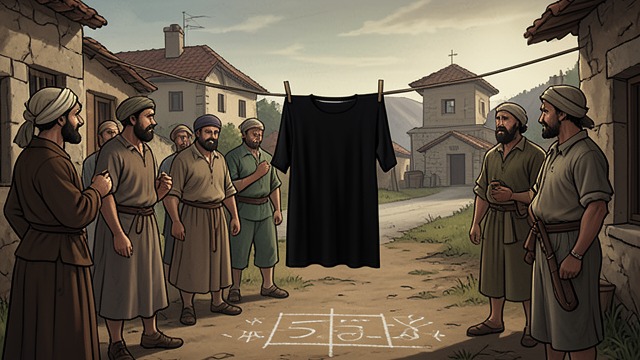
A School Is Proposed
An official plan
The Voyt announces that the community must decide how to fund a school, but many residents do not understand its purpose.
Suspicion grows
Some parents doubt the education offered by Russian-run schools, while others see literacy as a route to opportunity.
Young Men Debate
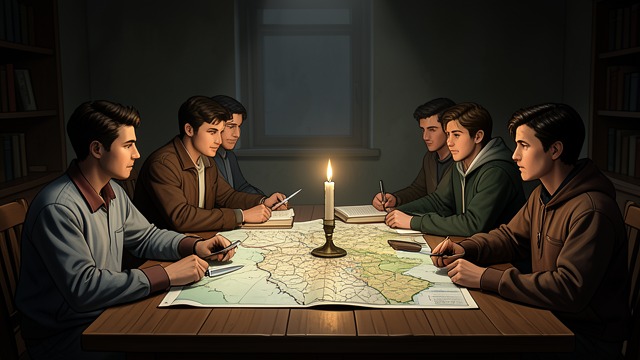
Young Men Debate
A public question
At the inn, young villagers discuss land, schools, and the authority of elders and officials.
Different strategies
Some advocate force, while Grzela argues for legal methods, showing a political generation divided over how change can be achieved.
An Official Vote
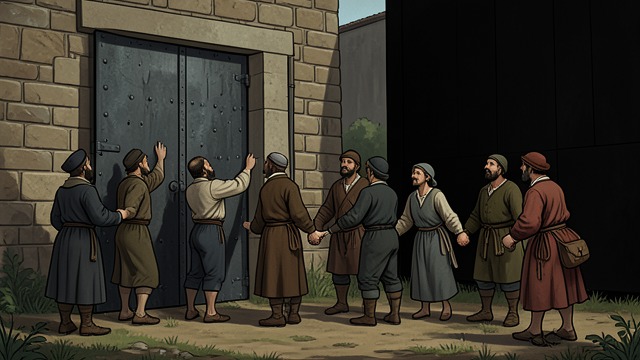
An Official Vote
Pressure at the chancellery
Villagers gather before the prefect, who presents the school proposal and the added tax in official language.
A divided outcome
Many try to reject the school, but intimidation and a contested vote produce approval despite substantial opposition.
The Price of Consent
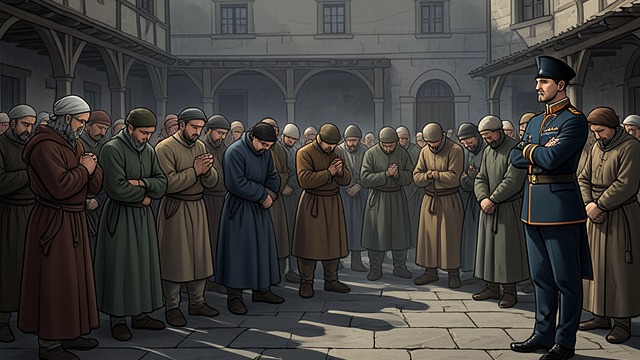
The Price of Consent
Compliance under pressure
Once the prefect declares that the school will be established, villagers do not continue resisting openly.
A fragile civic voice
Their silence illustrates how formal authority can outweigh local decision-making even when the community’s objections are clear.
Education Beyond the Vote
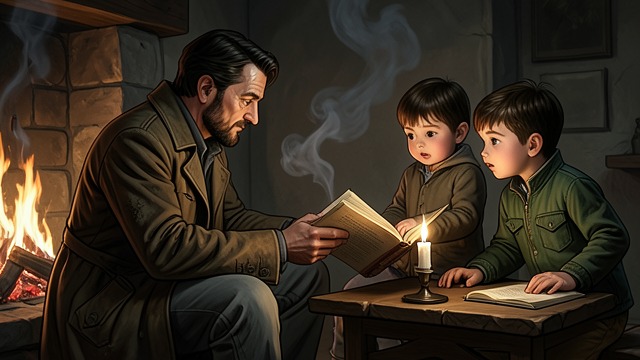
Education Beyond the Vote
Informal learning persists
Rocho’s lessons and the circulation of books continue to suggest another path to literacy and political understanding.
Language and belonging
The village’s struggle is not only over a building or tax; it concerns whether people can learn and speak in their own terms.
the wedding season
winter
late summer
immediately after the vote
near the ending
