
The Village’s Human Voice
The PeasantsThis thematic thread follows how gossip, storytelling, sermons, and public meetings shape what Lipce can know and do together.
increasing Bearing strength in each event
 decreasing
Bearing strength in each eventdecreasingGossip as Local Knowledge
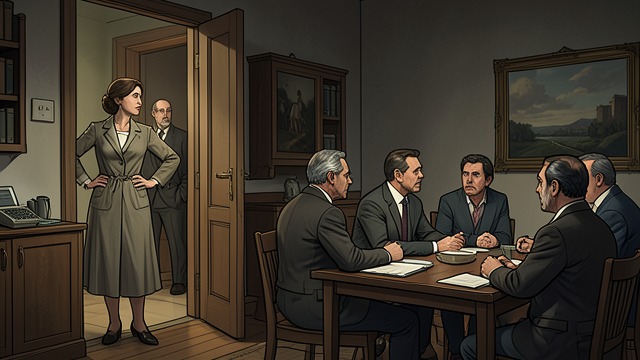
Gossip as Local Knowledge
News in the village
People learn of marriages, debts, affairs, deaths, and disputes through conversations in fields, homes, and the inn.
Knowledge with consequences
Gossip can expose real injustice but also magnify suspicion and harm reputations.
Stories During Winter
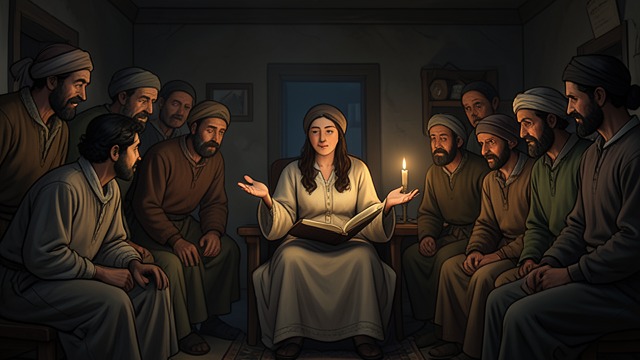
Stories During Winter
A communal audience
Rocho’s tales of saints, kings, and faraway places give villagers shared imaginative worlds during long winter evenings.
Imagination and limits
Storytelling expands what they can picture, though it cannot by itself change their material circumstances.
The Sermon as a Verdict

The Sermon as a Verdict
Authority in public speech
The priest’s sermon against Antek turns religious language into a public condemnation witnessed by the village.
Social consequences
His words strengthen Antek’s isolation and show how one voice can shape communal judgment.
The School Meeting
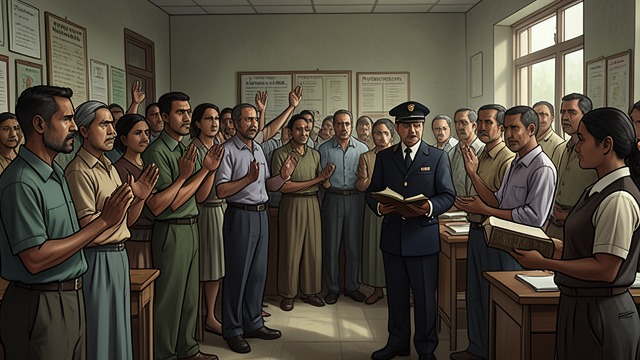
The School Meeting
Official words and dissent
The prefect’s order, the notary’s reading, and villagers’ replies collide during the school-tax meeting.
Voice without power
The people speak against the proposal, but official authority determines the result, exposing the limits of public participation.
The Farewell Speech

The Farewell Speech
Hope articulated
Rocho’s farewell calls for sacrifice, mutual aid, and a future free of injustice.
A community without resolution
The speech stirs emotion but does not produce a durable political organization, leaving Lipce’s collective voice divided.
autumn
winter evenings
Lent
summer
before the harvest
