
Agata and the Dignity of Death
The PeasantsThis thread follows Agata’s lifelong precarity, her search for a dignified death, and the social meaning of burial among kin.
increasing Bearing strength in each event
 decreasing
Bearing strength in each eventdecreasingSaving for a Burial
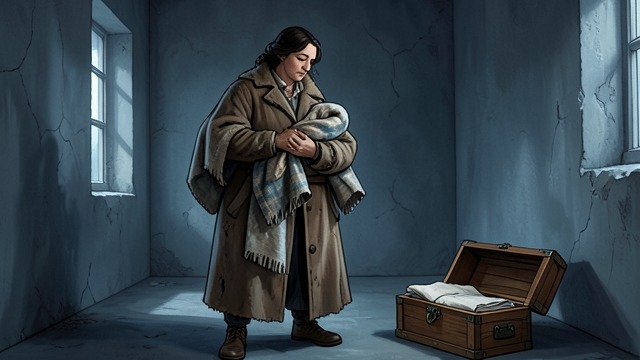
Saving for a Burial
A life without a home
Agata begs through winter because her relatives no longer provide a secure place in the household.
A modest final wish
She saves money and bedding for a death among her own people, with a bed, a quilt, and proper prayers.
The Quilt Is Lost
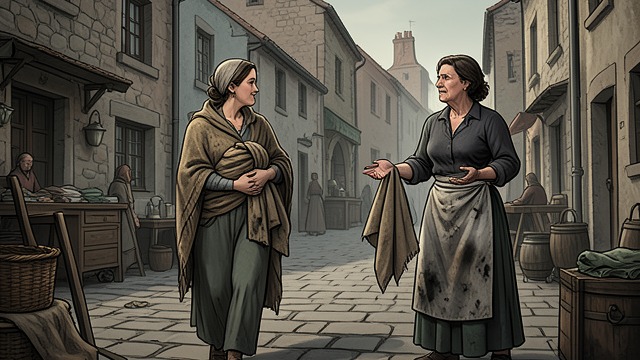
The Quilt Is Lost
A fragile reserve
Agata returns to Lipce with her carefully prepared burial goods and hopes the Kłąbs will receive her.
Need overrides her plan
Her quilt is borrowed for a sick woman, undoing the old woman’s long preparation and exposing how little control she has.
A Place to Die
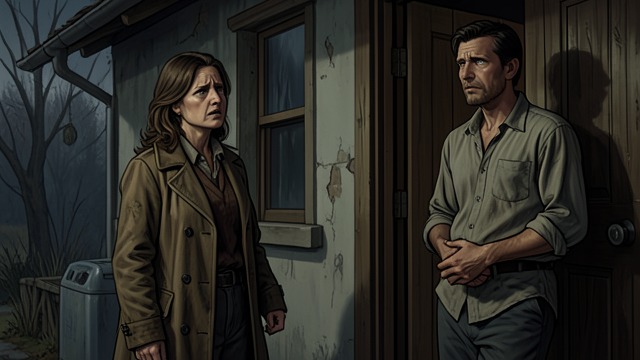
A Place to Die
Final arrangements
Agata pays a poor household to keep her until death, hoping this will secure shelter and a funeral.
Kinship’s limits
Her search for a dignified ending reveals a village in which even family ties are constrained by poverty and labor.
Jasio Keeps Vigil
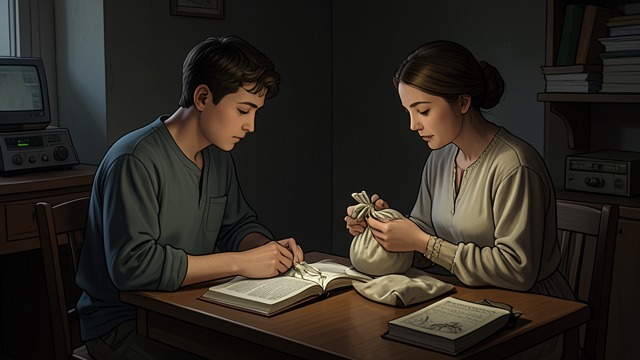
Jasio Keeps Vigil
A young witness
Jasio sits with Agata as she prepares her clothes, prayers, and small possessions for the end.
Compassion across rank
His grief makes him confront mortality beyond the religious abstractions he has been taught.
A Dignified Passing
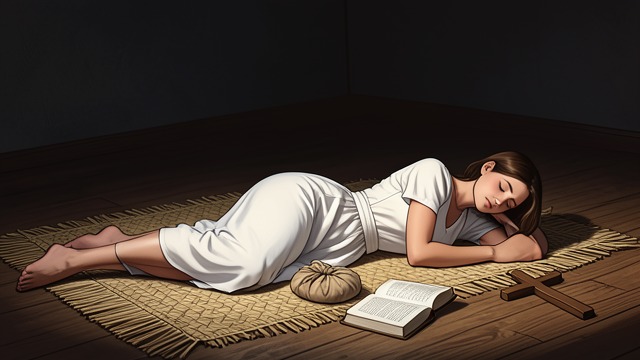
A Dignified Passing
The end arrives
Agata dies dressed as she had hoped, with her chosen prayer and burial preparations beside her.
A fragile fulfillment
She gains the ceremonial dignity she long desired, but only through a precarious arrangement with people outside her closest kin.
early autumn
spring
summer
Agata’s final day
Agata’s death
