
Village Hierarchy and the Landless
The PeasantsThis thread traces the distance between landowning farmers and landless workers, and the ways that hierarchy persists during collective crises.
increasing Bearing strength in each event
 decreasing
Bearing strength in each eventdecreasingFarmers and Hired Hands
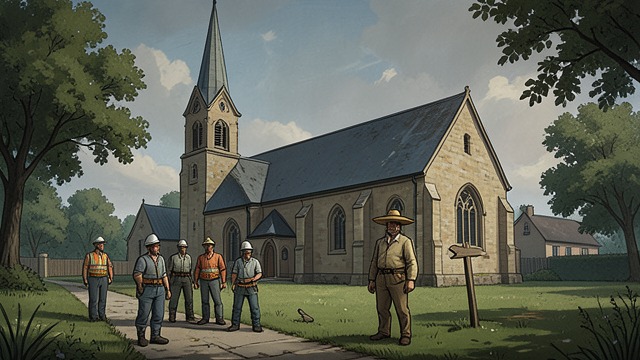
Farmers and Hired Hands
Different places in church and work
Kuba’s service and labor show that hired hands stand below landowning farmers, even when they work harder than their employers.
A social order internalized
The villagers often treat this hierarchy as an established fact rather than a human arrangement that could change.
Poor Households Face Winter
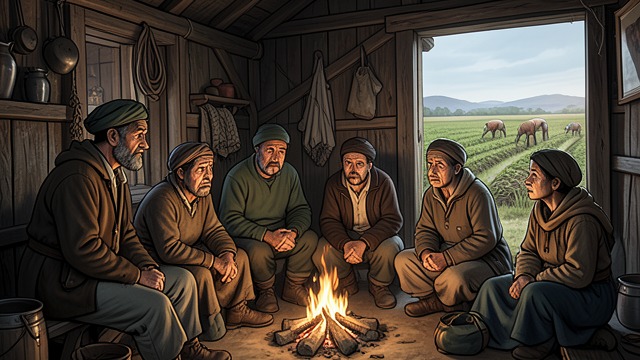
Poor Households Face Winter
Little to sell
Landless families depend on day labor, credit, and occasional gathering rights, with few reserves against winter hunger.
Poverty becomes visible
The novel repeatedly places their need beside the abundance of farmers and clergy who hold land and stores.
A Shared Emergency
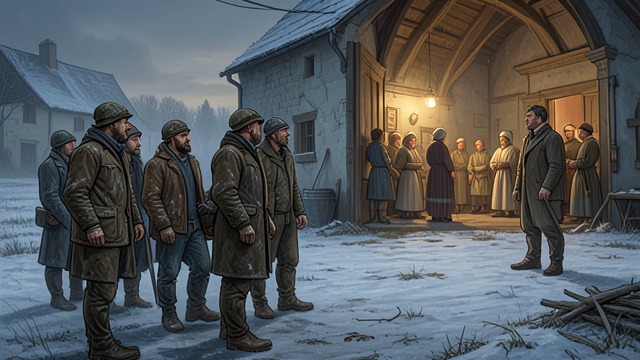
A Shared Emergency
Workers left behind
The arrests interrupt not only family life but the labor supply that poor and smallholder households depend on.
Solidarity remains selective
Neighboring farmers help with spring work, yet the landless and most vulnerable do not receive equal support.
A New Plot for Szymek
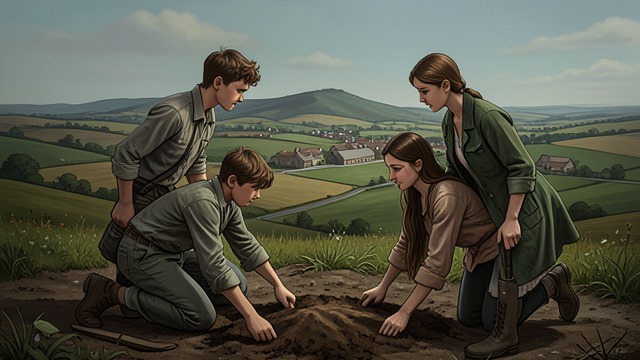
A New Plot for Szymek
Independence sought
Szymek and Nastusia establish a home at Podlesie through their own effort and neighbors’ help.
The limits of mobility
Their small holding creates opportunity but does not erase the sharp divide between those who own enough land and those who must hire out.
The Forgotten Poor
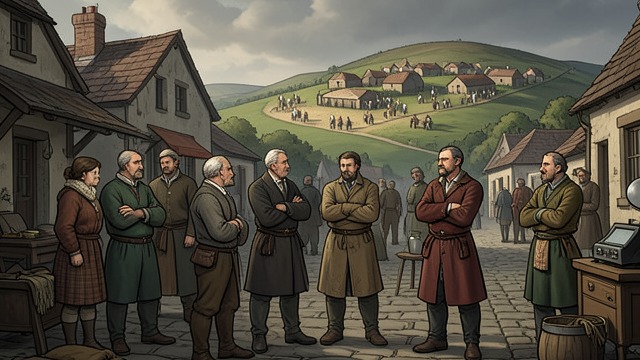
The Forgotten Poor
Sympathy and exclusion
People voice concern for the poor during crisis, but collective plans repeatedly prioritize established farmers and their claims.
A persistent hierarchy
The community’s acts of help matter, yet the landless remain without a reliable share of security or decision-making.
autumn
winter
after the arrests
summer
near the ending
