
The Politics of Belonging
The People UpstairsThis flow examines how nationality, planetary origin, and citizenship compete to define Terence's place.
increasing Bearing strength in each event
 decreasing
Bearing strength in each eventdecreasingRussian Identity
Russian Identity
Imposed Nationality
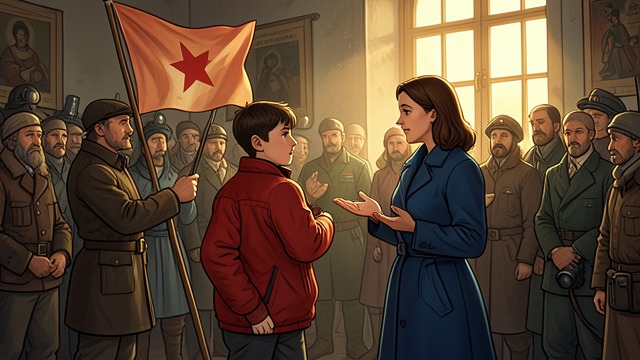
Terence hears that the family may be Russian and adopts Russia as the easiest answer to questions about their origin. The label gives him a human explanation for his difference.
Political Morality
Miss Chase teaches him that people may reject a government without rejecting their nationality. Terence absorbs a civic framework that makes human belonging ethically meaningful.
The false identity becomes emotionally real. It shows how belonging can be learned through stories even when the stories are factually wrong.
Legal Earth Citizenship

Legal Earth Citizenship
Official Status
Terence is born in the United States of America and receives a genuine birth certificate. In legal terms he belongs to Earth more securely than his parents do.
Biological Exception
His body and ancestry contradict the ordinary meaning of citizenship. He is an Earth-born Milotan whose papers are authentic but whose identity is concealed.
The contradiction destabilizes both political categories. Terence is legally native, biologically alien, and culturally increasingly human.
Two Homes
Two Homes
Confirmed Milotis
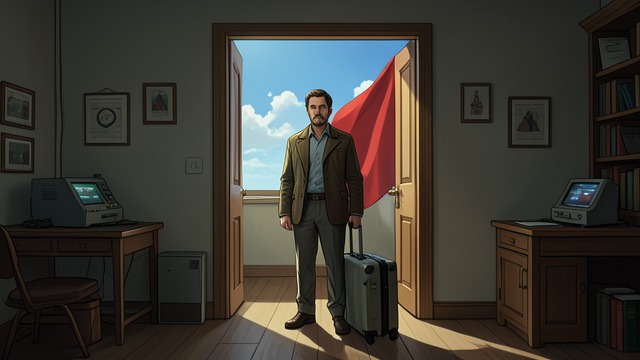
Terence asks whether Milotis exists and whether people there are like him. The question seeks not only geographic information but a community in which his body requires no disguise.
Unresolved Earthness
His longing emerges after years of human schooling and social formation. Returning to Milotis may offer physical acceptance while threatening the identity he built on Earth.
The ending leaves him between homes rather than assigning him one. His divided belonging is the central consequence of the experiment.
after neighbors speculate about the Greenes' origin
at Terence's birth
during Terence's final conversation with May
