Carlotta
The Phantom of the OperaCarlotta is the Spanish diva who holds the position of leading soprano at the Paris Opera at the time the story opens. She is described as possessing a voice that is a "perfect instrument," yet her art is characterized as heartless and soulless; she is a singer of technical accomplishment rather than genuine emotional depth. Her position is one of established privilege, and she uses her influence to maintain her dominance, particularly against the rising threat of Christine Daae.
Rivalry with Christine Daae and the Threat of the Ghost
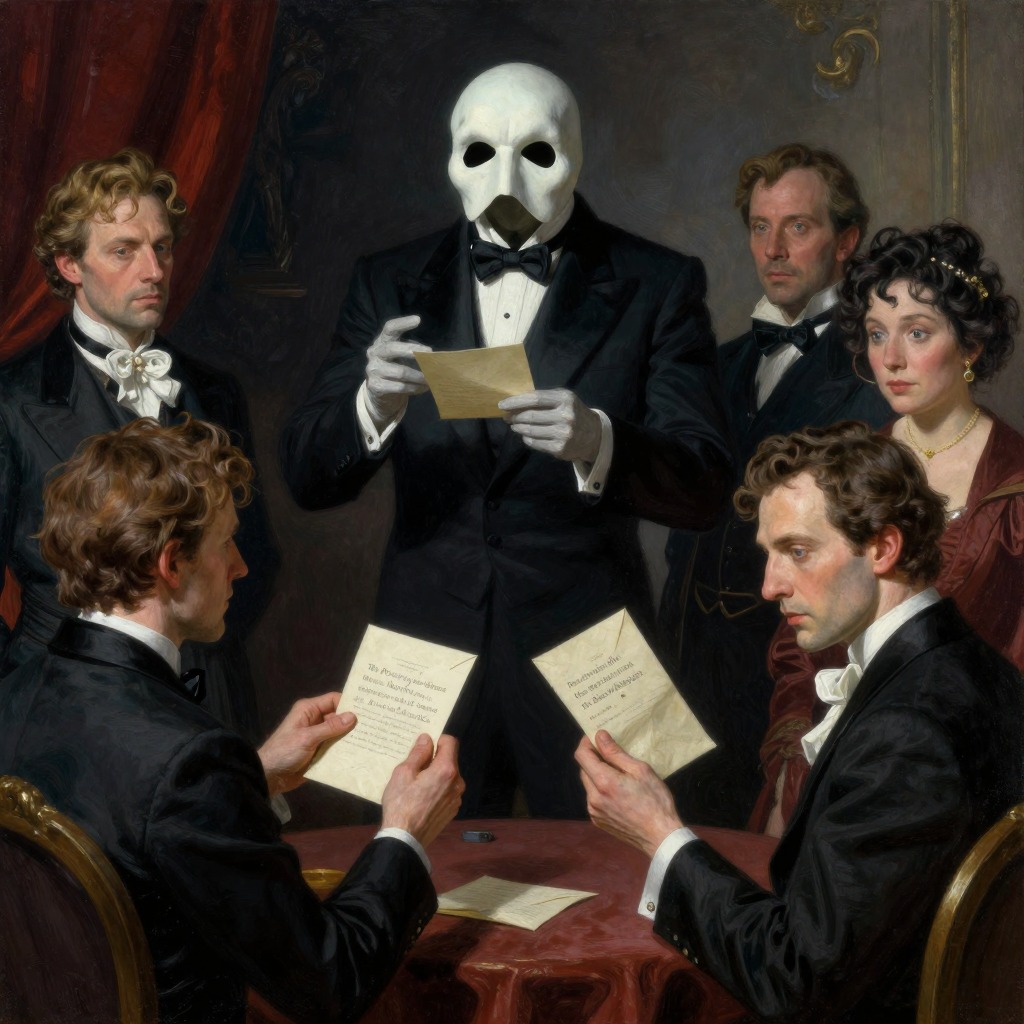
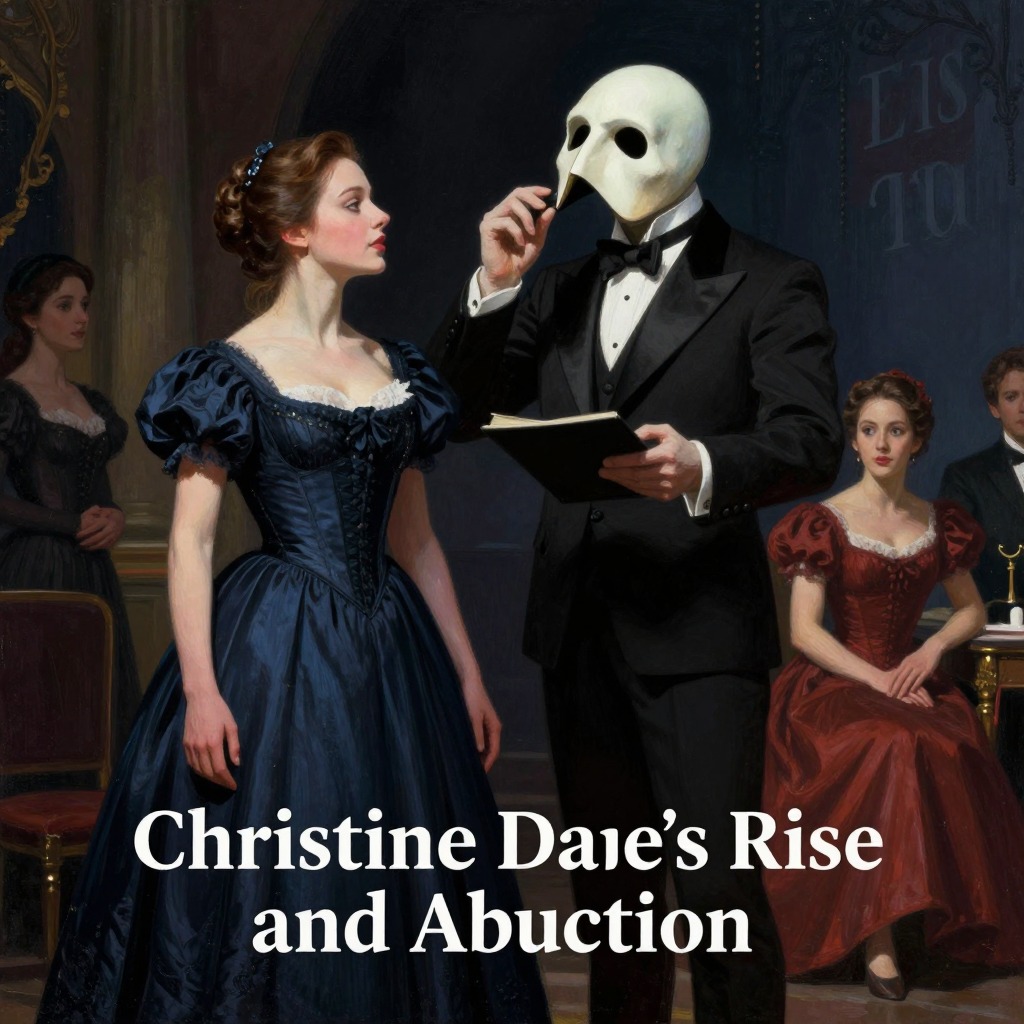
Carlotta's secure place is first shaken on the night of the retirement gala for managers Debienne and Poligny. When she is taken ill and cannot perform, her understudy Christine Daae takes the role of Margarita in Faust and achieves a triumph so overwhelming that the audience goes mad, rising to its feet in a frenzy. Carlotta, upon hearing of this success, is immediately cured of her incipient bronchitis and her fit of sulking against the management. From that moment, she works with all her might to "smother" her rival, enlisting influential friends to persuade the managers not to give Christine another opportunity. She makes the most scandalous remarks about Christine and tries to cause her endless minor unpleasantnesses. The rivalry is further inflamed by the Opera Ghost, who sends Carlotta an anonymous letter written in red ink, warning her that if she appears to sing that night, she must be prepared for a great misfortune "worse than death." A second letter follows, claiming she has a bad cold and advising her not to sing. Carlotta, however, is not a woman to be intimidated; she sneers at the threats, shrugs her handsome shoulders, and sings a few notes to reassure herself, determined to perform.
The Catastrophe on Stage: The "Co-ack"
On the night of the performance, Carlotta's friends fill the house, ready to suppress any disturbance from Christine's supporters. The first two acts pass without incident, and Carlotta is received with enthusiastic applause. Confident in her voice and her supporters, she flings herself into her part without restraint. The catastrophe occurs during the love duet in the garden scene. As Margarita sings the line "I feel without alarm—with its melody enwind me—and all my heart subdue," Carlotta's voice suddenly produces a sound that is not a note but a croak: "Co-ack!" The effect is immediate and devastating. The audience is not angry but filled with horror and dismay, as if witnessing the catastrophe that broke the arms of the Venus de Milo. Carlotta, in consternation, tries to persuade herself it was an illusion, but when she heroically starts the fatal line again, the toad appears once more: "I feel without alarm—co-ack! With its melody enwind me—co-ack! And all my heart sub—co-ack!" The house breaks into a wild tumult. The two managers, Richard and Moncharmin, hear the ghost's voice behind them saying, "She is singing to-night to bring the chandelier down!" and the immense chandelier crashes into the stalls, killing the concierge who had replaced Mme. Giry.
Aftermath and Professional Collapse
The event is a professional death sentence for Carlotta. The terror of a fresh "co-ack" fills her heart and deprives her of all her power of singing. The theater that witnessed her incomprehensible disgrace becomes odious to her. She contrives to cancel her contract, and Christine Daae is offered the vacant place. Carlotta's career in Paris is effectively ended by the supernatural intervention of the Opera Ghost, who had chosen to destroy her voice as a demonstration of his power and to clear the way for his protégée, Christine.