Punjab Lasso
The Phantom of the OperaThe Punjab Lasso is a strangler's cord made of catgut, a weapon of murder and control that Erik, the Opera Ghost, wields with lethal precision. It is first encountered in the torture-chamber, where it lies coiled at the foot of the iron tree, and its history is tied to Erik's past in Mazenderan, where he used it to entertain the little sultana and to execute condemned men. The lasso embodies Erik's lethal skill and his role as the 'trap-door lover,' and it serves as a grim reminder of the fate that awaits those who trespass into his domain.
Origins and Use in Mazenderan
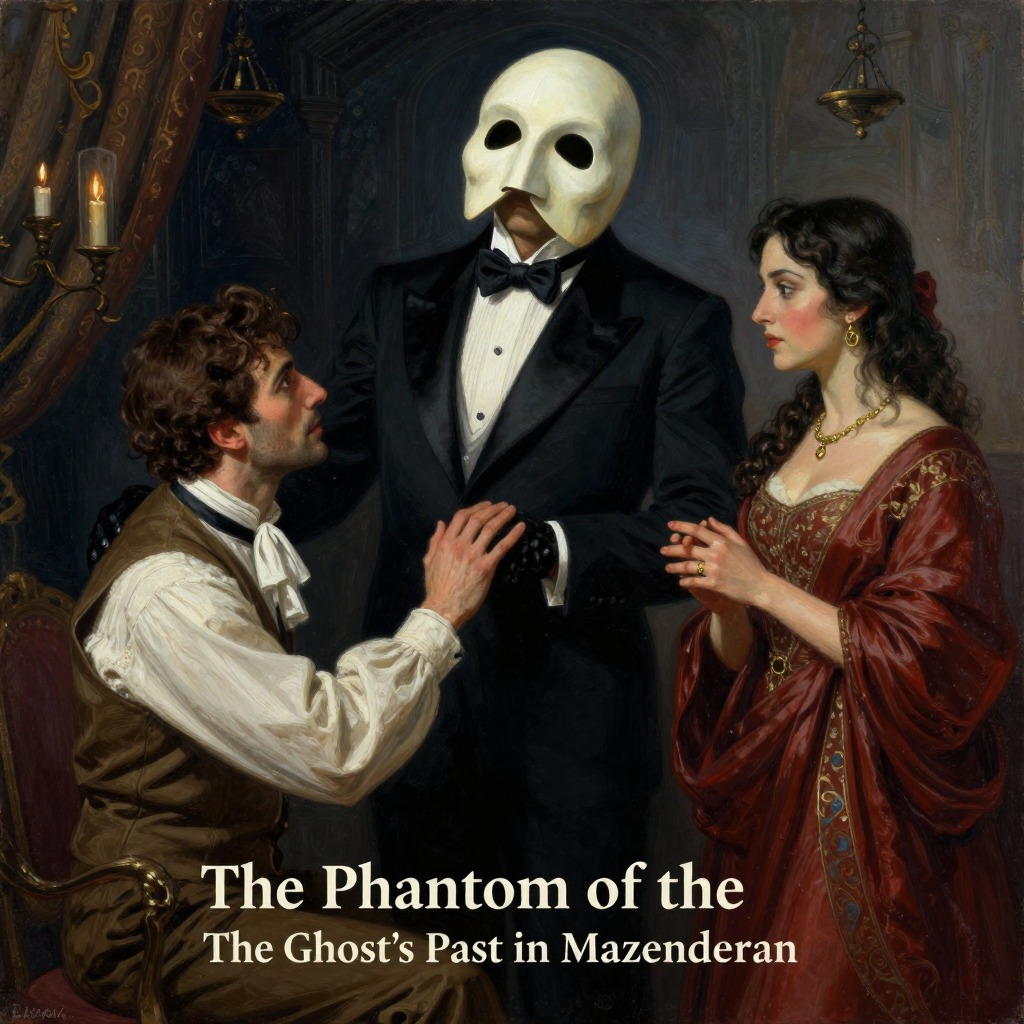
The Punjab Lasso is a cord made of catgut, a material that gives it both strength and flexibility. Erik acquired an incredible skill in the art of strangulation during his time in India, and he perfected this skill in the service of the little sultana of Mazenderan. In the 'rosy hours of Mazenderan,' Erik would entertain the sultana and her women by staging duels in a courtyard, where a warrior armed with a long pike and broadsword would face Erik, who had only his lasso. The warrior would often believe he was about to strike Erik down, but at the last moment, the lasso would whistle through the air, and with a turn of the wrist, Erik would tighten the noose around his adversary's neck, dragging him before the sultana and her women, who watched from a window and applauded. The little sultana herself learned to wield the lasso and used it to kill several of her women and even some of her visiting friends. This history reveals the lasso as a tool of both entertainment and murder, a weapon that Erik wielded with showman-like flair and deadly efficiency.
The Lasso in the Torture-Chamber
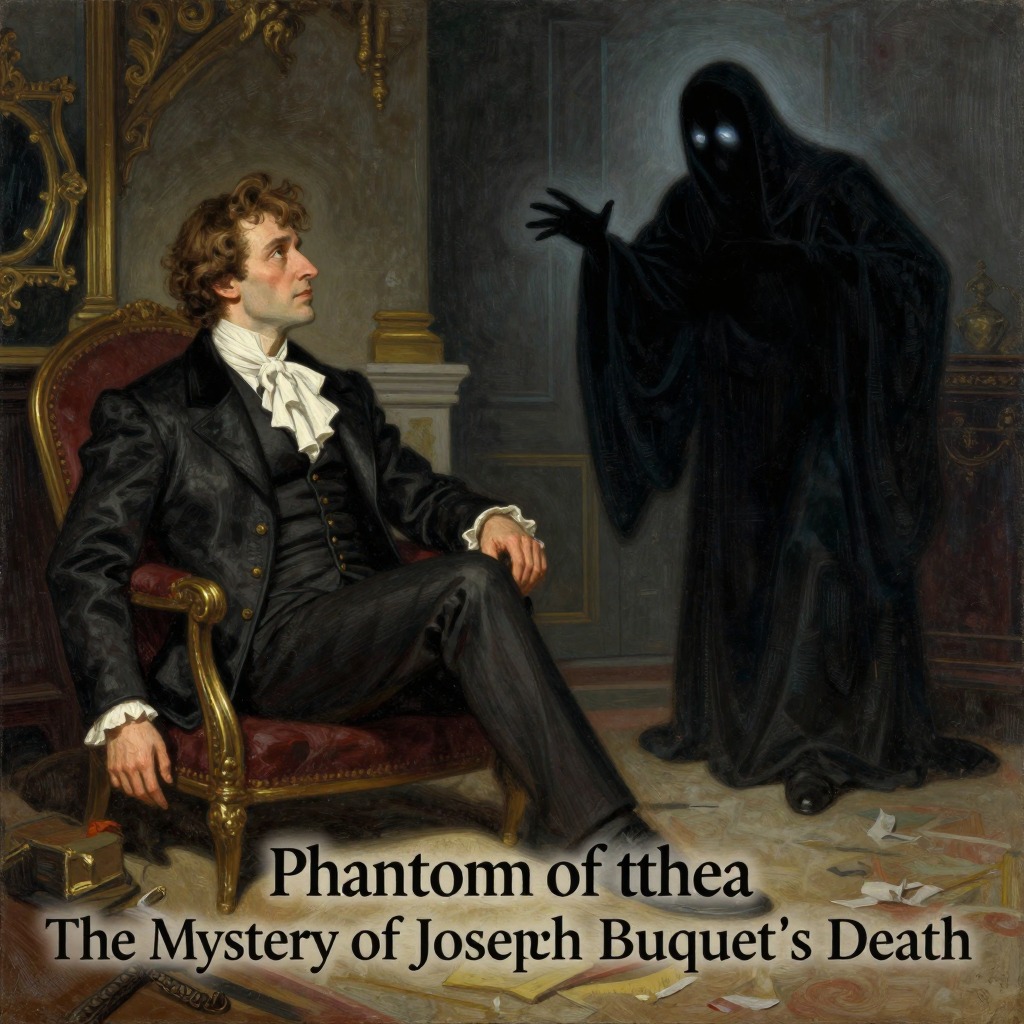
When the Persian and Raoul de Chagny penetrate Erik's hidden house beneath the Opera, they drop into the torture-chamber, a hexagonal room lined with mirrors. At their feet, they discover the Punjab Lasso, which the Persian immediately recognizes with horror. He picks it up, examines it for a second, and flings it away, muttering, 'The Punjab lasso!' The lasso's presence in the chamber is not accidental; it is a deliberate part of Erik's design. The Persian realizes that this very rope was likely used to kill Joseph Buquet, the chief scene-shifter whose body was found hanging in the third cellar. Buquet had probably discovered Erik's secret entrance and, like the Persian and Raoul, had fallen into the torture-chamber. Erik had then used the lasso to hang him, and later dragged the body to the scene from the Roi de Lahore, where it was found. The lasso, made of catgut, was a curious and distinctive weapon that might have set an examining magistrate thinking, so Erik returned to retrieve it, explaining the rope's mysterious disappearance after Buquet's death.
The Lasso as a Symbol of Erik's Power
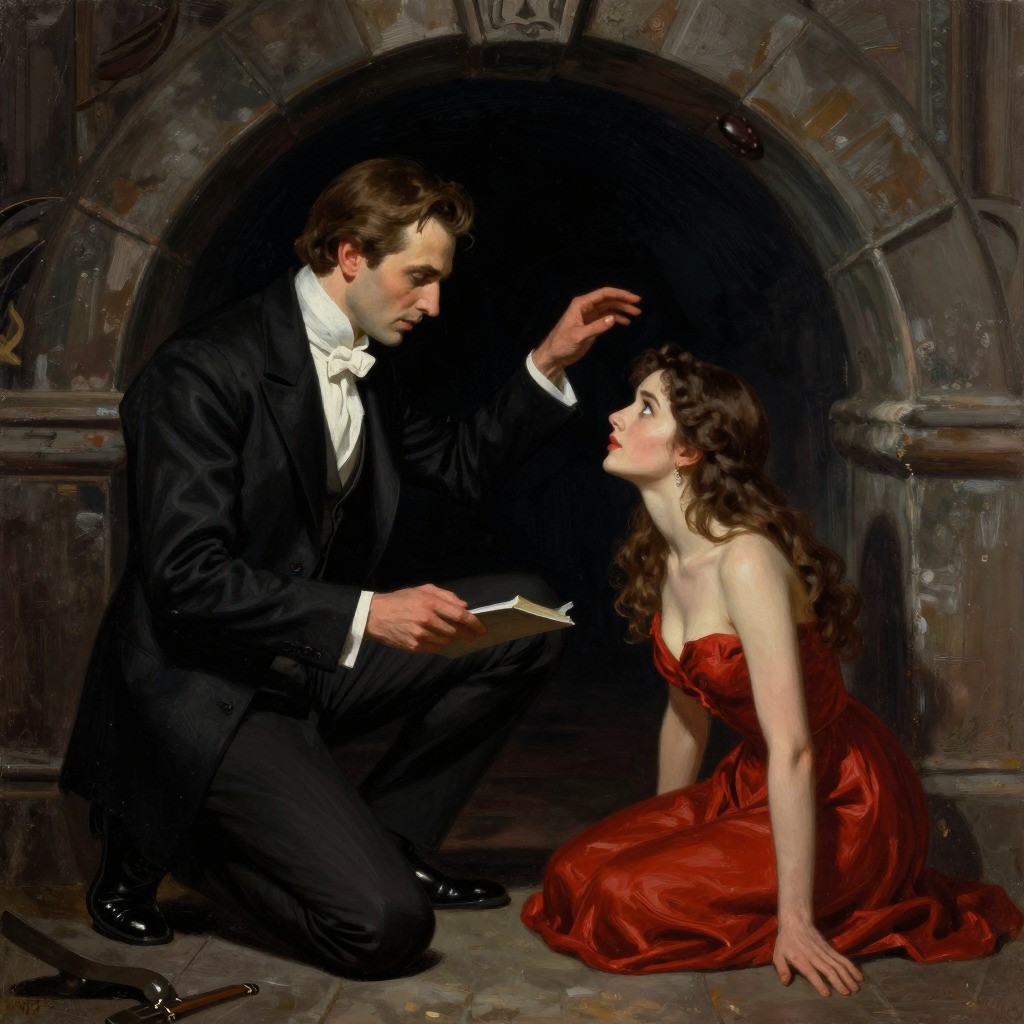
The Punjab Lasso is more than a weapon; it is a symbol of Erik's absolute control over his domain and his victims. The Persian, who knows Erik's methods intimately, is terrified of the lasso, and he takes elaborate precautions to protect himself and Raoul from it. He instructs Raoul to keep his hand at the level of his eyes, with his arm bent, as though waiting for the command to fire. This posture, he explains, makes it impossible for even the most expert strangler to throw the lasso with advantage, because it catches not only the neck but also the arm or hand, allowing the victim to unloose it. This defensive technique, known as the 'hand-at-eye-level defense,' becomes a recurring motif in the narrative, a constant reminder of the ever-present threat of Erik's lethal cord. The lasso thus represents Erik's ability to strike from the shadows, to kill without warning, and to instill terror in those who dare to oppose him.
The Lasso and the Iron Tree
In the torture-chamber, the Punjab Lasso is found at the foot of the iron tree, a grim piece of furniture designed for hanging. The iron tree, with its painted leaves and iron branches, is a central element of Erik's torture device, and the lasso is its natural companion. The Persian notes that the lasso is left at the foot of the tree for the use of those who have 'had enough' of the tortures, allowing them to put an end to their own suffering. This macabre arrangement underscores the lasso's dual role as both a murder weapon and an instrument of suicide, a tool that Erik uses to control the fate of his victims even in their final moments. The lasso's presence in the torture-chamber, alongside the iron tree, creates a tableau of death that is both horrifying and strangely theatrical, reflecting Erik's twisted sense of artistry.
The Lasso's Legacy
The Punjab Lasso is a testament to Erik's past and his nature. It is a weapon that he perfected in the service of a cruel sultana, and it follows him to Paris, where he uses it to protect his secrets and eliminate those who threaten him. The lasso is a physical manifestation of Erik's skill as a 'trap-door lover,' a master of hidden passages and deadly surprises. It is also a reminder of the violence that lurks beneath the surface of the Opera, a violence that is both real and symbolic. The lasso, like Erik himself, is a product of a world that has rejected him, and it is his means of asserting power over that world. In the end, the lasso is more than a weapon; it is a symbol of Erik's tragic and monstrous existence, a tool that he uses to create a semblance of control in a life defined by ugliness and isolation.