Dorian Gray
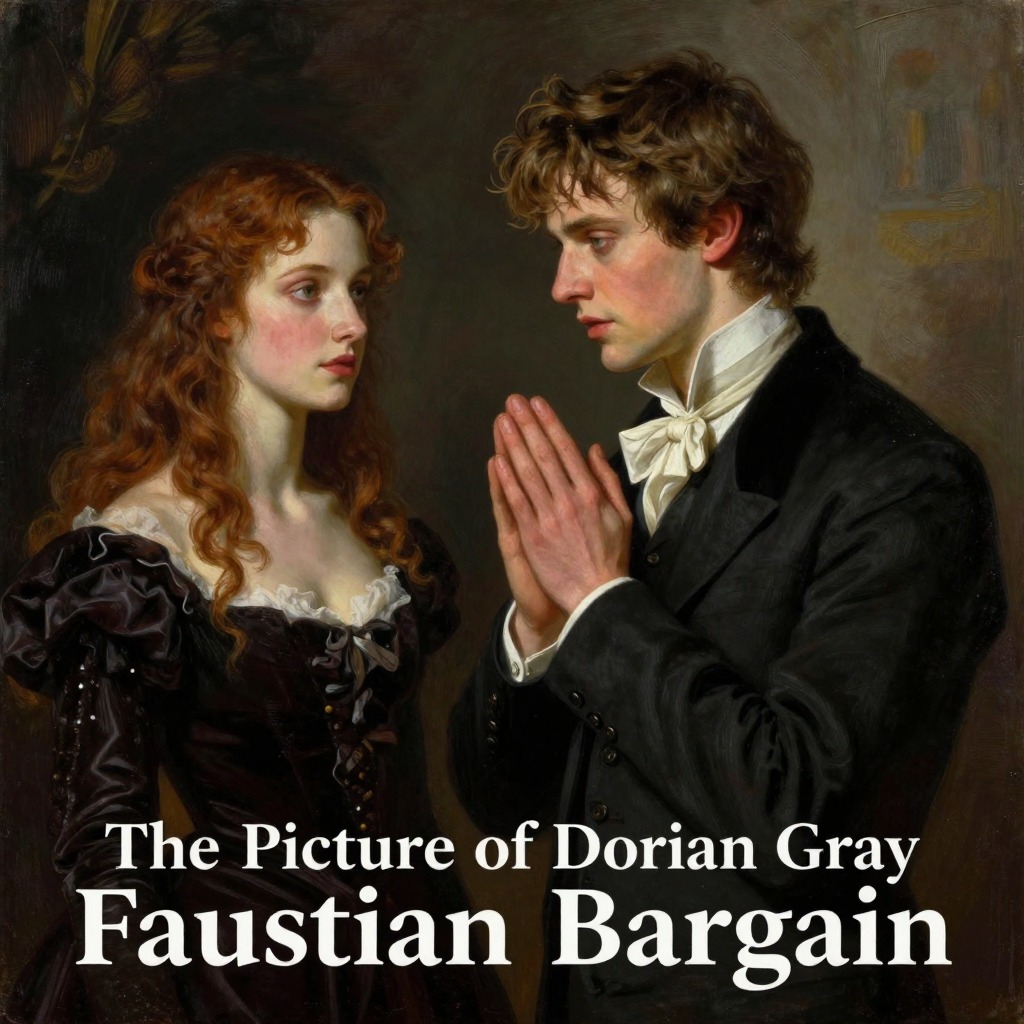
The Picture of Dorian GrayDorian Gray is the central figure of Oscar Wilde's novel, a young man of extraordinary personal beauty whose portrait, painted by Basil Hallward, becomes the instrument of a Faustian bargain. His wish that the picture might age while he remains forever young is granted, setting him on a path of hedonistic indulgence, moral decay, and ultimately, murder. Dorian's trajectory from an innocent, beautiful youth to a corrupted, guilt-ridden man forms the novel's core, exploring the relationship between art, morality, and the soul.
Identity and Introduction
Dorian Gray is first introduced through Basil Hallward's full-length portrait of him, described as a young man of extraordinary personal beauty, looking as if he was made of ivory and rose-leaves. Lord Henry Wotton, upon seeing the portrait, calls him a Narcissus, a brainless, beautiful thing. Dorian himself is initially a simple, unspoiled creature, with a frank, open face, blue eyes, and crisp gold hair. He is unaware of his own beauty until he sees the finished portrait, and the realization of his own loveliness, combined with Lord Henry's warnings about its fleeting nature, strikes him like a revelation. He feels a sharp pang of pain, as if a hand of ice had been laid upon his heart, at the thought that he will one day grow old and ugly while the picture remains young.
Arc Through the Plot
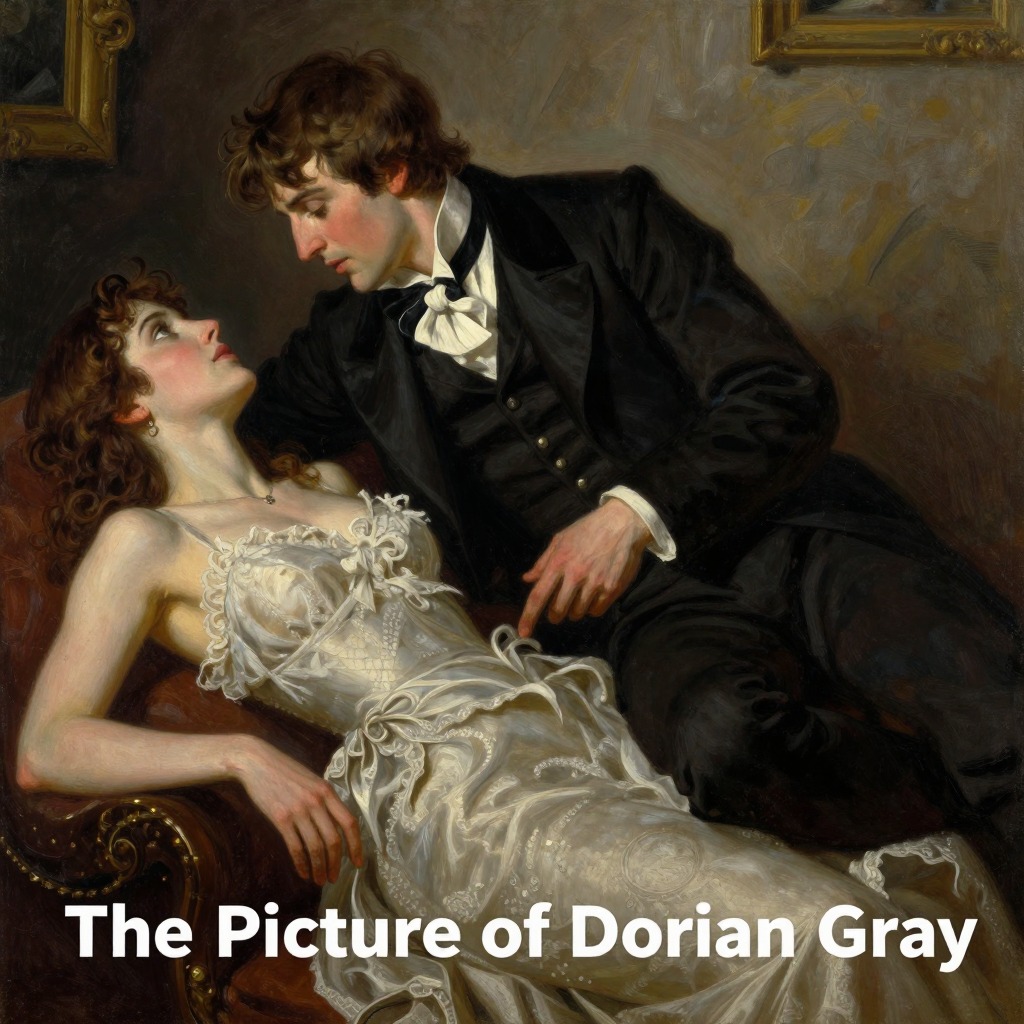
Dorian's transformation begins the moment he meets Lord Henry. The older man's words, spoken in Basil Hallward's garden, touch a secret chord within him, stirring fresh impulses and making life suddenly become fiery-colored to him. He becomes obsessed with the idea of youth and beauty, and when he sees his finished portrait, he utters a mad wish: that he might remain always young and the picture grow old instead. This wish is granted, and the portrait becomes the visible emblem of his conscience. His first major act of cruelty is his rejection of Sibyl Vane, the young actress he had loved, after she gives a poor performance. He tells her she has killed his love, and she commits suicide that night. Upon learning of her death, Dorian feels a strange detachment, viewing it as a wonderful ending to a wonderful play. He then notices the first change in the portrait: a touch of cruelty around the mouth. He resolves to reform, but instead, he hides the portrait and plunges into a life of sin and sensation, guided by the poisonous influence of a yellow book Lord Henry gives him. For years, he pursues every pleasure, studying perfumes, music, jewels, and embroideries, while the portrait grows increasingly hideous, bearing the marks of his sins. His corruption culminates in the murder of Basil Hallward, who confronts him about his infamous reputation. Dorian, in a fit of hatred, stabs him to death. He then blackmails his former friend, Alan Campbell, into disposing of the body. Campbell later commits suicide.
Key Actions and Objectives
Dorian's primary objective is to preserve his youth and beauty at any cost, and to experience life to its fullest, as Lord Henry encourages. His key actions are driven by this desire. He falls in love with Sibyl Vane, but only for her artistic genius, and when she fails to perform, he cruelly rejects her. He murders Basil Hallward to protect his secret, stabbing him repeatedly with a knife. He blackmails Alan Campbell into destroying the body, using a letter to force his compliance. Later, he attempts a single good deed by sparing a young village girl, Hetty Merton, from a life with him, but this act is motivated by vanity and a desire for a new sensation rather than genuine remorse.
Relationships and Conflict
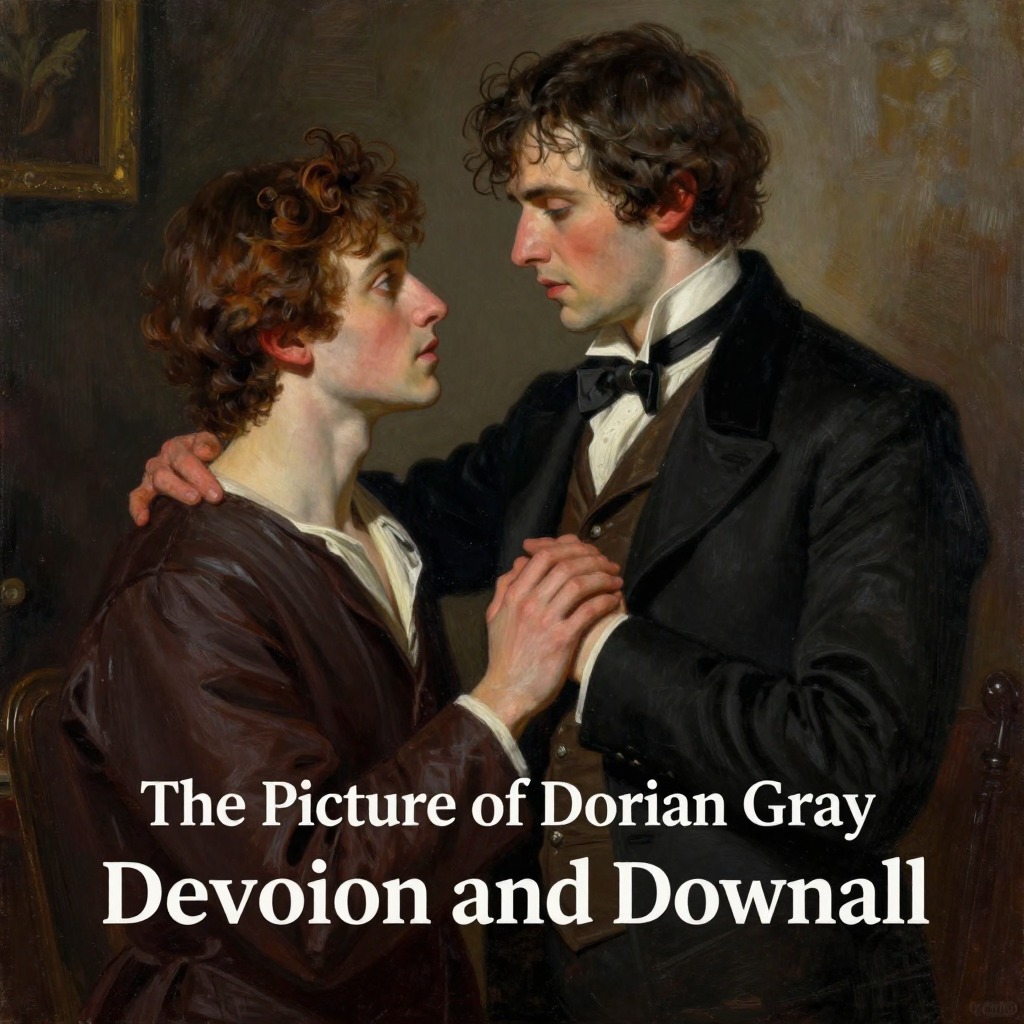
Dorian's relationships are defined by his beauty and his corruption. Basil Hallward worships him, seeing him as the inspiration for his art, and confesses his idolatry. Dorian, however, feels only pity for Basil and ultimately kills him. Lord Henry Wotton is his corrupting influence, filling him with poisonous theories about youth, beauty, and the pursuit of pleasure. Dorian is fascinated by Lord Henry, but also recognizes the danger he represents. His relationship with Sibyl Vane is a romance of art, not reality; he loves her as a collection of Shakespearean heroines, not as a real person. His rejection of her leads to her suicide. With Alan Campbell, a former friend, Dorian uses blackmail to force him into complicity in Basil's murder, destroying their friendship.
Change and Ending
Dorian Gray undergoes a profound change from an innocent, beautiful youth to a morally bankrupt murderer. The portrait, which he keeps hidden, becomes a mirror of his soul, growing increasingly hideous with each sin. He becomes a figure of scandal and rumor, shunned by society. In the end, after sparing Hetty Merton, he hopes for redemption, but the portrait shows no change except a look of cunning and hypocrisy. Realizing that the portrait is the only evidence against him, he seizes the knife he used to kill Basil and stabs the canvas. A horrible cry is heard, and when his servants break into the locked room, they find hanging on the wall a splendid portrait of their master in all his youthful beauty, and lying on the floor a dead man, withered, wrinkled, and loathsome, with a knife in his heart. It is only by examining the rings on his fingers that they recognize him as Dorian Gray.
Thematic Significance
Dorian Gray embodies the novel's central themes: the relationship between beauty and morality, the corrupting influence of hedonism, and the duality of human nature. His story is a cautionary tale about the dangers of valuing appearance over substance and the impossibility of escaping one's conscience. The portrait serves as a powerful symbol of the soul, bearing the physical marks of sin that the face conceals. Dorian's ultimate destruction comes not from external punishment but from his own hand, suggesting that the true horror lies not in the loss of beauty but in the corruption of the soul.