Hetty Merton
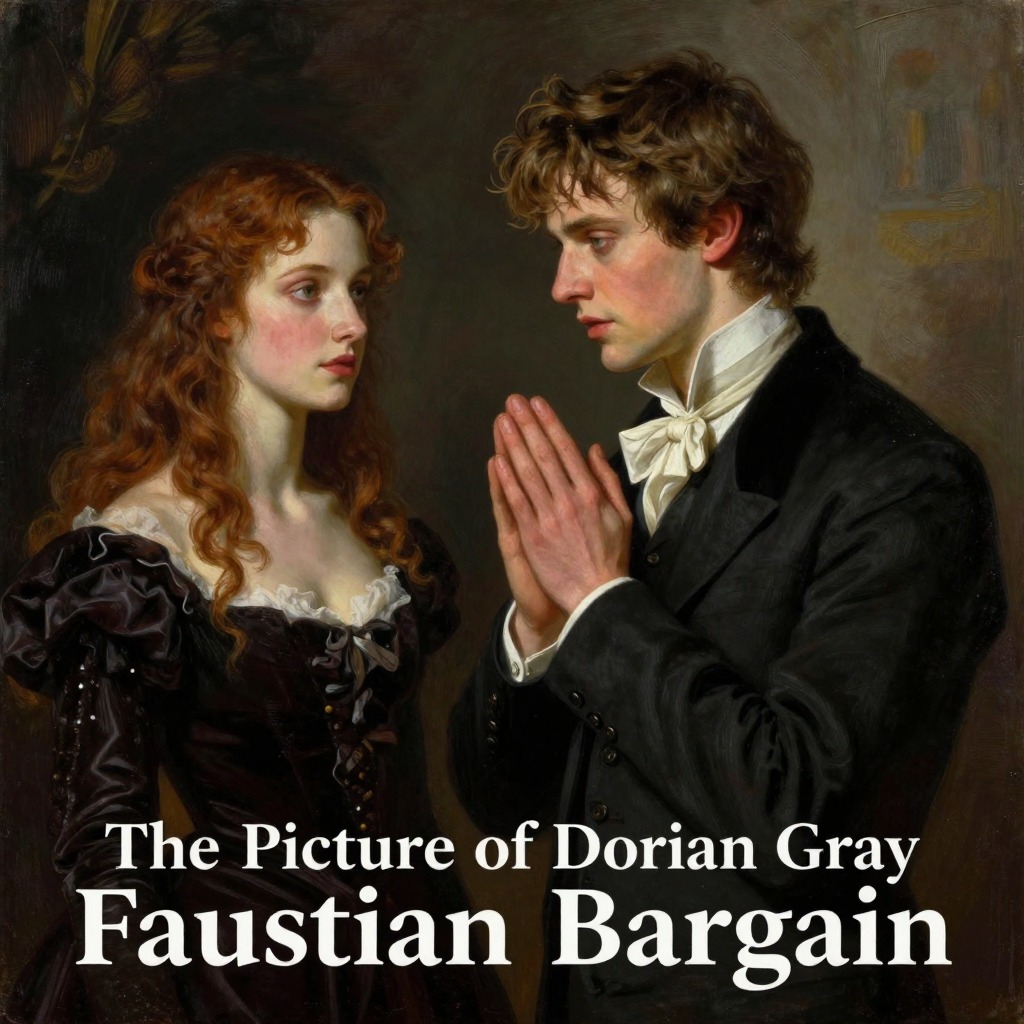
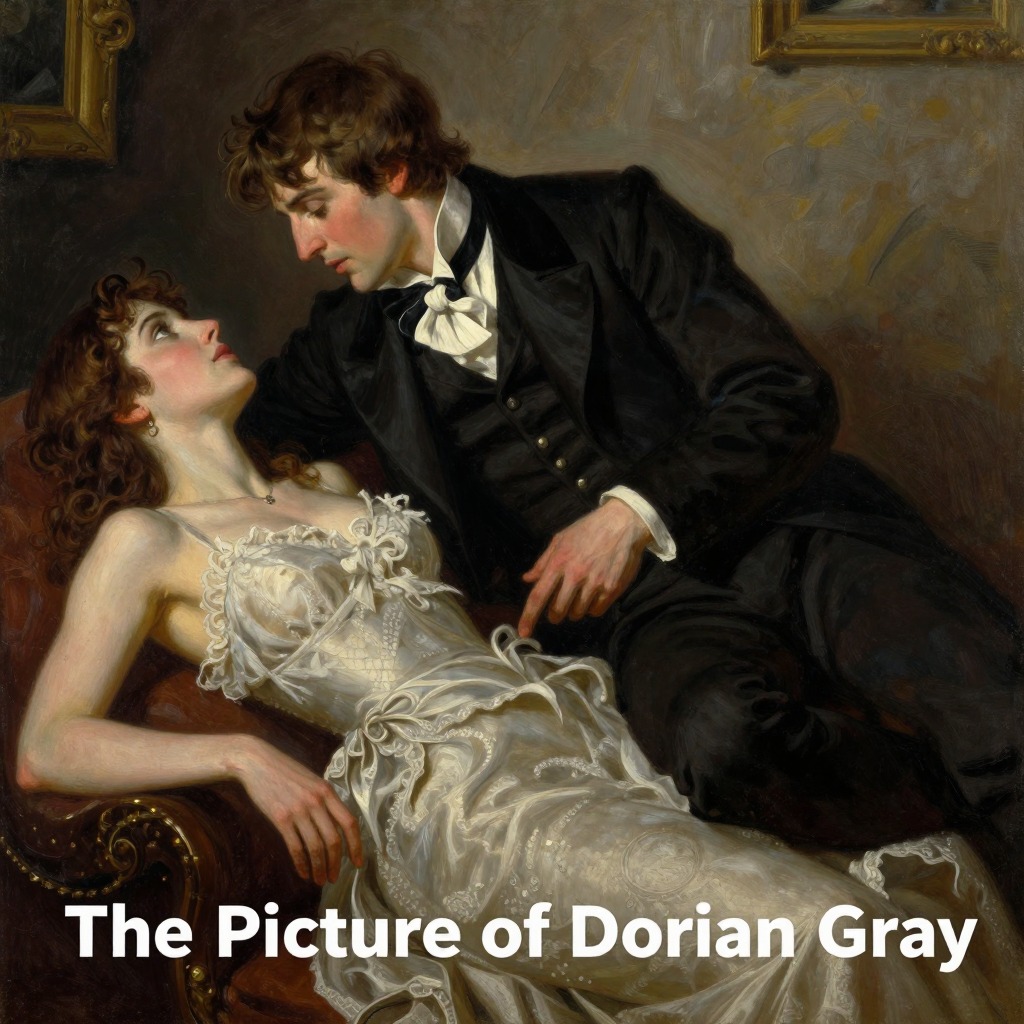
The Picture of Dorian GrayHetty Merton is a young woman from a village whom Dorian Gray meets during a period when he is increasingly weary of his own scandalous reputation and seeks anonymity. She is described as being quite beautiful and wonderfully like Sibyl Vane, the actress whose suicide Dorian had caused years earlier. Dorian believes that this resemblance is what first attracted him to her. Hetty is not of Dorian's social class; she is simply a girl in a village, and Dorian tells her he is poor, a lie she believes. When he tells her once that he is wicked, she laughs at him, replying that wicked people are always very old and very ugly. Her laugh is like a thrush singing, and she is pretty in her cotton dresses and large hats. She knows nothing, but Dorian reflects that she has everything that he has lost.
Romance and Renunciation
Throughout a May that Dorian describes as wonderful, he used to run down and see Hetty two or three times a week. They plan to go away together at dawn, but on the day before their planned elopement, Dorian meets her in a little orchard. The apple-blossoms keep tumbling down on her hair, and she is laughing. Suddenly, Dorian determines to leave her as flower-like as he had found her. He spares her, breaking off the relationship and giving her good advice. Hetty cries, but Dorian insists there is no disgrace upon her and that she can live, like Perdita, in her garden. He later sees her white face at the window of her farm, like a spray of jasmine, as he rides past.
The Test of the Portrait
Dorian considers this act of sparing Hetty to be his first good action for years, his first little bit of self-sacrifice. He believes it marks the beginning of a new life, a reformation. However, when he goes to the locked room to check the portrait, hoping to see that the signs of evil have gone away, he finds no change. Instead, the face on the canvas now has a look of cunning and the curved wrinkle of the hypocrite. The portrait is still loathsome, and the scarlet dew on the hand seems brighter and more like blood newly spilt. Dorian is forced to question his own motives: was his renunciation merely vanity, the desire for a new sensation, or the passion to act a part? The portrait's unchanged corruption reveals that his supposed goodness is hollow, a performance that cannot cleanse his soul.
Narrative Role and Significance
Hetty Merton functions as a final, crucial test of Dorian Gray's moral state. She is a direct echo of Sibyl Vane, offering Dorian a chance to break the pattern of destruction that has defined his life. His decision to spare her appears to be a genuine act of conscience, but the portrait's refusal to change exposes the truth: Dorian's reformation is a self-deception, motivated by vanity and a desire for new sensations rather than true repentance. Her presence in the story underscores the novel's central theme that the soul cannot be reformed by isolated acts of will; the corruption within must be confronted honestly. Hetty herself remains a largely passive figure, defined by her innocence and her resemblance to Sibyl, serving primarily as a mirror for Dorian's failed attempt at redemption.