
The Newsman’s Campaign
The Plot Against AmericaWalter Winchell’s opposition to Lindbergh evolves from broadcasting dissent into a dangerous presidential campaign.
increasing Bearing strength in each event
 decreasing
Bearing strength in each eventdecreasingA Trusted Voice

A Trusted Voice
Radio as reassurance
Walter Winchell attacks Charles A. Lindbergh after the nomination, giving frightened Newark families a forceful public voice.
His broadcast restores neighborhood spirits and makes dissent feel less isolated.
A political role
For the Roths, the newsman becomes a symbol of resistance.
The Dinner Controversy

The Dinner Controversy
Opposition grows
Walter Winchell condemns the White House invitation to Joachim von Ribbentrop.
His broadcasts turn diplomatic hospitality into evidence of the administration’s moral alignment.
A national audience
His urgency both mobilizes opponents and alarms people who fear political escalation.
Dismissed from Radio
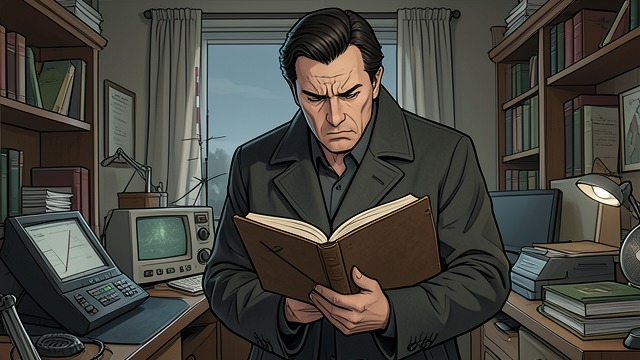
Dismissed from Radio
Pressure on speech
Jergens cancels Walter Winchell’s broadcast after he alleges that the administration is targeting Jews.
The press frames his claims as irresponsible, while Winchell calls his firing political silencing.
A changed platform
He loses his radio audience but not his willingness to confront power.
A Presidential Candidacy
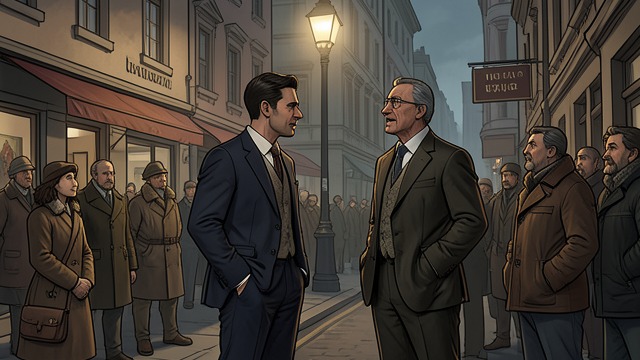
A Presidential Candidacy
Public challenge
Walter Winchell announces a Democratic presidential campaign and denounces fascism in street-corner speeches.
His sharp rhetoric draws attention but leaves mainstream candidates wary of joining him.
The limits of protest
He can expose hostility, yet his tactics may intensify the dangers he names.
A Campaign Cut Short
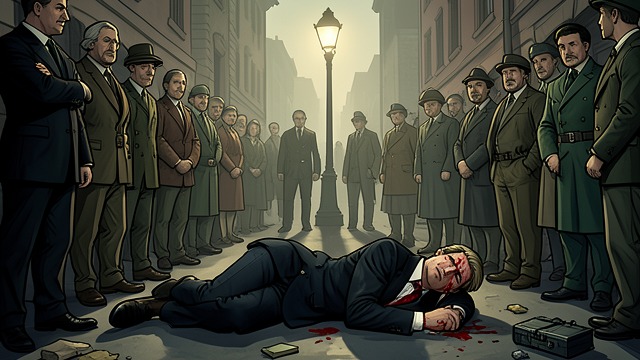
A Campaign Cut Short
Assassination
Walter Winchell is shot while speaking at a rally in Louisville.
The murder transforms his warnings into a national crisis and triggers demonstrations, fear, and political retaliation.
A voice becomes a symbol
His death does not end the conflict; it makes his campaign’s stakes impossible to ignore.
summer 1940
spring 1942
summer 1942
late summer 1942
October 5, 1942
