
Fear as Inheritance
The Plot Against AmericaThe novel traces fear from historical memory into childhood nightmares, family decisions, and lasting adult recollection.
increasing Bearing strength in each event
 decreasing
Bearing strength in each eventdecreasingMemory Before Experience
Memory Before Experience
Inherited vulnerability
Philip hears adults connect American events to older histories of persecution and exclusion.
He cannot fully understand these references, yet absorbs their emotional force.
Fear before proof
The child’s anxiety begins before he can evaluate whether danger is immediate.
Nightmares of Capture

Nightmares of Capture
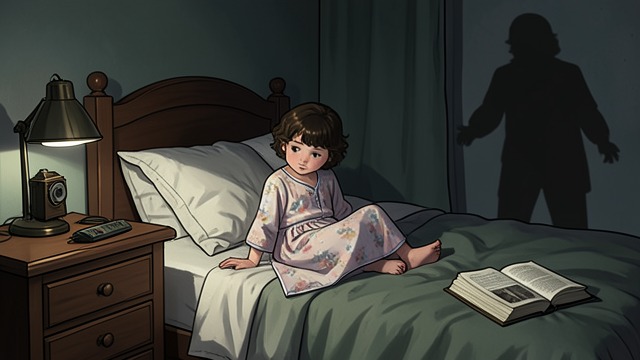
Private images
Philip dreams that American stamps and landscapes have been taken over by Nazi symbols.
His imagination makes the threat intimate and material.
A historical fear
The nightmare shows how public prejudice enters a child’s private world.
Fear in Ordinary Places
Fear in Ordinary Places
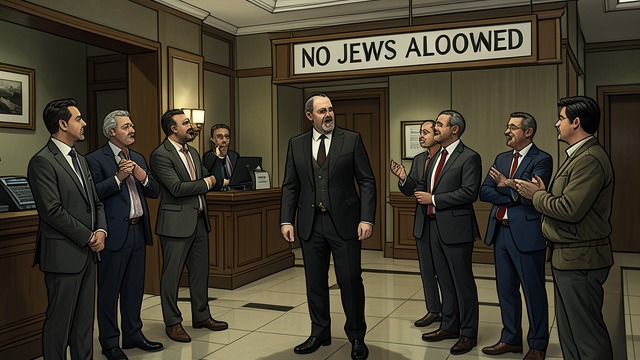
Public humiliation
The Roths are evicted from a Washington hotel, and strangers call Herman a loudmouth Jew.
A civic trip becomes evidence that exclusion can happen in ordinary public spaces.
Innocence narrows
Philip can no longer assume that landmarks or laws guarantee welcome.
The Unforeseen Becomes History

The Unforeseen Becomes History
A child overwhelmed
Philip’s runaway attempt, Alvin’s injury, and the family’s divisions accelerate his sense of change.
Events he cannot control become a rapid education in loss.
A retrospective insight
The narrator observes that history later makes catastrophe look inevitable.
Fear That Remains

Fear That Remains
After the political reversal
Roosevelt returns and the immediate crisis ends, but Philip’s belief in effortless safety has been broken.
The family’s protection is no longer something he can take for granted.
Memory’s persistence
The novel treats fear as a lasting consequence, not a temporary reaction.
Philip’s early childhood
summer 1940
June 1941
spring 1942
after October 1942
