1934 National Parks stamps
The Plot Against AmericaThe 1934 National Parks stamps are a set of ten commemoratives whose imagined defacement concentrates Philip Roth’s childhood fear of political transformation. In a nightmare, swastikas spread across the American landscapes pictured on the stamps, turning a collection associated with preservation into an image of threatened national belonging.
The Set and Its Dream Transformation
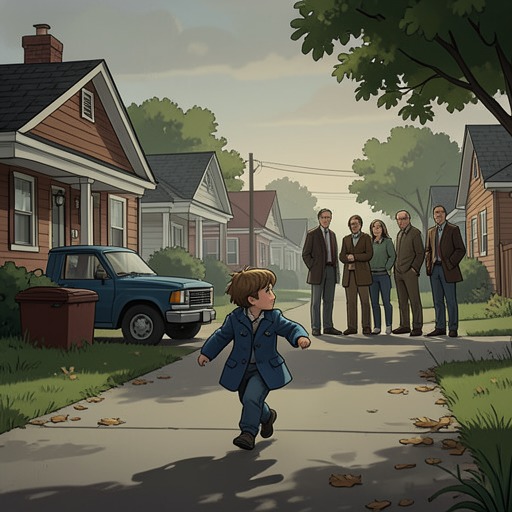
In the dream, Philip checks the stamps after stumbling and dropping his album while fleeing a pursuer. The set depicts natural landmarks and preserves them as pristine reservations; in the nightmare, a black swastika appears across each landscape, covering cliffs, woods, rivers, peaks, and other features. The images remain recognizable, but the symbol overlays them all. Philip wakes after looking at the page, having fallen from bed and screamed.
The transformation belongs to the dream, not to the physical album. Its force comes from the contrast between the stamps’ promise of lasting preservation and the mark that seems to overtake every scene. The threat is not confined to one place or image: the swastika spans the entire set.
The Album and Philip’s Fear
The nightmare gives concrete form to the perpetual fear that frames Philip’s memories of childhood. He wonders whether he would have been less frightened if Charles A. Lindbergh had not become president, or if he had not been Jewish. In that context, the defaced stamps make a national landscape feel vulnerable to the political hostility surrounding his family.
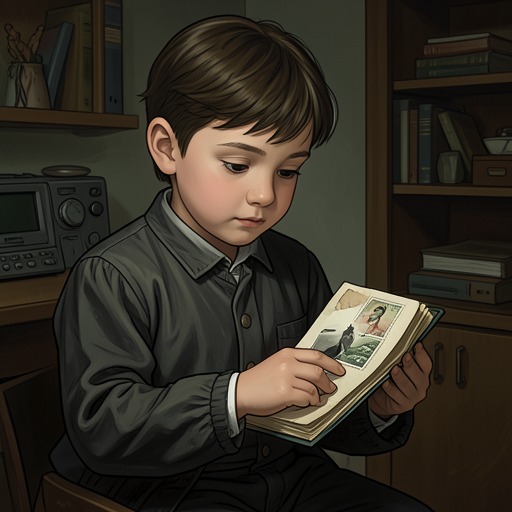
The fear recurs before a family trip to Washington. Philip asks to bring his album, and his mother first resists because he might lose it; she relents when he insists on taking his president stamps. He is also afraid to leave the collection unattended at home. He imagines that the Washington portraits could turn into images of Adolf Hitler and that swastikas could appear on the 1934 National Parks stamps. The imagined change is linked to two unresolved worries: he has not removed the ten-cent Lindbergh airmail stamp, and he suspects that Sandy Roth has kept his Lindbergh drawings despite telling their parents otherwise. Philip experiences these as betrayals that might conspire to transform the album in his absence.
Political and Personal Belonging
The stamps place national identity in a vulnerable, intimate form: a child’s album, carried and guarded, becomes a surface on which Philip’s fears about the country can appear. His mother’s later observation that Lindbergh is teaching the family what it is to be Jewish, alongside her statement that they only think they are Americans, gives the nightmare’s imagery a familial and political context. The swastika-covered landscapes suggest how a symbol of political threat can seem to overwrite the places the stamps preserve—and, for Philip, the assurance that he belongs to the country they represent.
Fictional Context
The book identifies itself as a work of fiction, distinguishing historical fact from historical imagining. The transformation of the stamps is presented as Philip’s nightmare and later fear, not as an actual alteration of the collection. Their role is therefore both material and imaginative: they are specific objects in a child’s album and a recurring focus for anxieties about political change.