Paul Reunites with Sophie in Highgate
The Portable DoorPaul Reunites with Sophie Pettingell in Highgate when an accidental encounter draws the two into a conversation neither seems prepared to begin. The meeting moves from embarrassment and evasive small talk to a disclosure about Sophie’s breakup, then ends with a modest but consequential prospect of seeing each other again on Monday. Its emotional turn is quiet: not a declaration, but a brief smile, a change in tone, and the possibility of another meeting.
Approach and Recognition
Before the encounter, Paul is trembling and steadying himself against a lamppost. He considers entering the Highgate Community Arts Centre for a Gilbert and Sullivan performance, partly because he thinks it might get him out of his predicament in one piece. He approaches the building slowly, carrying a frozen pizza in its cardboard box, reluctant to abandon it even though he regards it as the source of his misfortunes. The soggy box accompanies him into the light spilling through the open door.
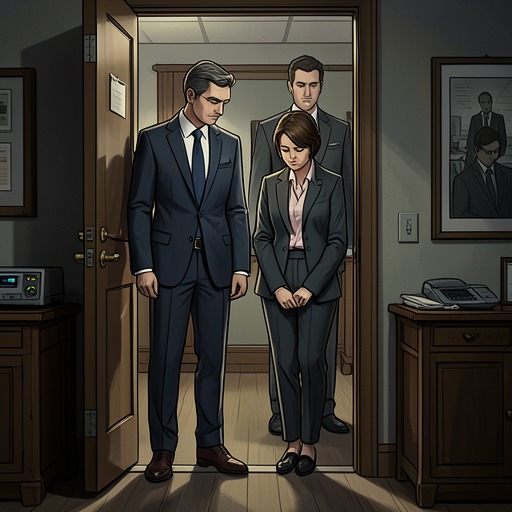
There, Paul sees Sophie Pettingell. She notices him moments later and quickens her pace, apparently trying to get past before he recognizes her, but he does. His greeting is brief; hers is equally cautious, asking what he is doing there. The encounter begins with mutual recognition but no shared explanation for why either of them has arrived. Paul answers with a lie: he claims to have been visiting a second cousin who is out. His evasion makes the meeting awkward from the outset, while Sophie’s question about the cardboard box redirects attention to the conspicuous object he is carrying.
The Decision to Stay
Paul explains that the pizza will go soggy if it defrosts, but then admits that he is not hungry. He sets the box carefully against the wall of the arts centre, relinquishing the burden that has traveled with him to the doorway, and invites Sophie to come along. Her acceptance is unexpectedly simple. That small decision changes the encounter from a passing exchange into time spent together: neither has to sustain a conversation, yet Sophie chooses not to leave.
They go to a pub that is so crowded they have to turn sideways to make their way through the crush near the entrance. The bar disappears behind the people, and a jazz band plays somewhere at the back. Paul is displeased by the noise and bustle, but spots an empty table in a corner beside the toilet door. Sophie heads for it while Paul threads his way to the bar. As he returns carrying a pint of Guinness in a straight glass and a small Britvic orange, he expects that she will have left. She is still at the table. The scene’s movement is built from such small reversals: Paul expects the meeting to end, and Sophie remains; he struggles to find a way to speak, but she eventually offers more than his questions have earned.
Sophie’s Disclosure and the Moment of Warmth
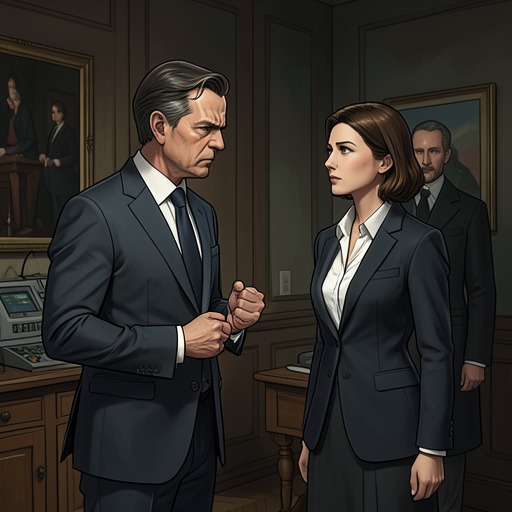
Paul’s attempts at conversation are halting. He remarks on their unexpected meeting, then asks whether this is Sophie’s neighborhood. She says she lives in Wimbledon and has come to see her boyfriend in a play. The mention of the boyfriend abruptly changes the emotional temperature for Paul; he can only respond with a brief expression of surprise. Sophie then explains that they have just broken up. She gives him a sad grin, and adds that this is why she has been crying.
Paul says he is sorry, though the narration makes clear that his sympathy is not entirely sincere. The contrast matters: Sophie has disclosed a real hurt, while Paul’s response remains partly self-interested and guarded. Yet the conversation does not stay fixed in that discomfort. A slight warmth passes from fingertip to fingertip—not an ostentatious display, but something the narration distinguishes from a conspicuous flash of fire. Around them, the pub remains chaotic: the jazz band’s competing sounds and the jukebox’s music refuse to settle into a graceful romantic backdrop. The moment feels perfect precisely within that disorder, and Sophie smiles, briefly and unusually. The smile marks a shift in the encounter without resolving its uncertainties.
Monday and the Parting
Sophie says she should go, and Paul immediately feels the moment evaporate. He begins to take his leave politely and apologizes again. Sophie shrugs, hesitates, and then says that things are not so bad after all. She adds that she will see him on Monday. The significance lies not only in the words but in the way she says them, which Paul registers with quiet awe. The exchange gives him reason to understand her departure not as a rejection of the evening, but as a possible continuation beyond it.
They leave the pub in opposite directions: Paul turns right and Sophie turns left. Outside, the rain is cold and hard. Paul no longer has enough money for the bus fare, and there is a hole in his shoe, but neither hardship matters to him now. The closing contrast is deliberately modest. The reunion has not removed the rain, repaired his shoe, or made their relationship certain; it has changed the weight those discomforts carry. A chance meeting, an abandoned pizza, and Sophie’s promise of Monday leave Paul with a fragile prospect of further contact. The scene makes that small future-facing gesture the decisive outcome of the evening.