The only thing that matters is who you are
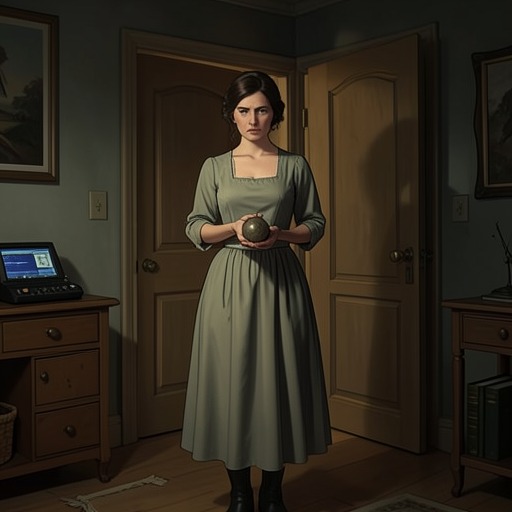
The Portable Door“The only thing that matters is who you are” names a limit that the Portable Door cannot overcome. Paul Carpenter reaches it while considering whether he could use the door to alter Sophie Pettingell’s romantic past; later, Sophie gives the idea a more active emphasis, connecting identity to how a person behaves. Their related formulations make the expression both a consolation against magical wish-fulfilment and a challenge to understand oneself.
Paul’s Realization
On the bus, Paul imagines returning to the day before Sophie went to a party and stopping her from meeting the man he calls Pot Boy. He dismisses the plan: even if that encounter were prevented, Sophie might fall for someone else. The Portable Door could change where and when a person went, he reasons, but not whom Sophie might love.
His alternative wish is more inward: to return to the day before his interview and have his memory erased, so he would forget meeting Sophie. But he can still remember Mr Lundqvist and Mortensen Counters, and recognizes that the door has not given him the power to undo those memories. From this failed speculation comes his stark conclusion: “The only thing that matters a damn is who you are, and by a strange coincidence, it’s also the only thing you can’t change.” The expression marks a reversal in his estimate of the door. It may transport him through time, but it cannot remake the person using it.
The insight has an immediate, awkward consequence. Paul remembers the strained conversation with Sophie from the previous day and knows he will have to live through it again. When he reaches 70 St Mary Axe at six the next morning and finds Sophie there, he recognizes that changing the temporal circumstances has not relieved him of the encounter—or of his knowledge of how it went.
Sophie’s Formulation
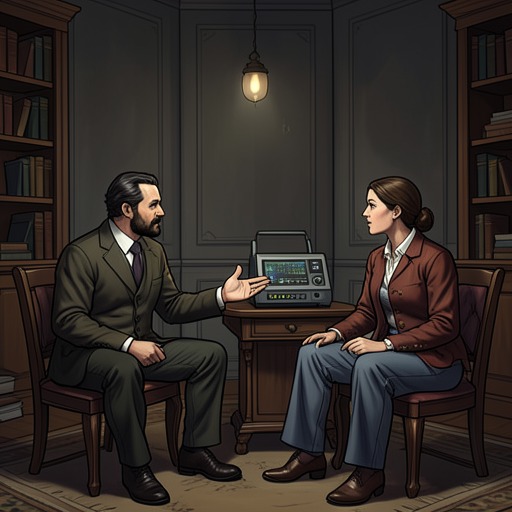
Later, Sophie recasts the idea after reflecting on what they have learned about the world. Their assumptions about themselves and other people have been unsettled by discovering that people can turn out to be sorcerers and goblins. She tells Paul, “it’s not what you do that matters, it’s who you are while you’re doing it.” Her wording shifts the emphasis from Paul’s claim that identity cannot be changed to the character a person displays in action.
Sophie connects that reflection to the possibility of seeing herself more clearly. She imagines sneaking into the boardroom and looking at her reflection in its tabletop, which has the power to reveal true forms. Paul says he is not brave enough to do the same and believes he already knows what he would see. Sophie answers, “Maybe you’re wrong.” The exchange leaves the question of self-knowledge open: Paul treats identity as something he cannot alter, while Sophie suggests his certainty about himself may not be reliable.
Meaning and Use
The expression gathers two distinct experiences into a shared idea without making them identical. Paul’s version arises from the limits of time travel: neither an altered destination nor an imagined erased memory can change who he is. Sophie’s version arises from confronting magic and the gap between appearances and reality; it measures identity through conduct and leaves room for discovering that one’s self-image is mistaken.
In both formulations, extraordinary powers are not the final answer to personal difficulty. The Portable Door cannot dictate whom Sophie loves or spare Paul the consequences of remembered conversations, and the revealing tabletop promises sight rather than an easy transformation. The expression therefore turns the story’s magical devices back toward character: circumstances may shift, and hidden forms may be exposed, but what matters is the person who must act within them.